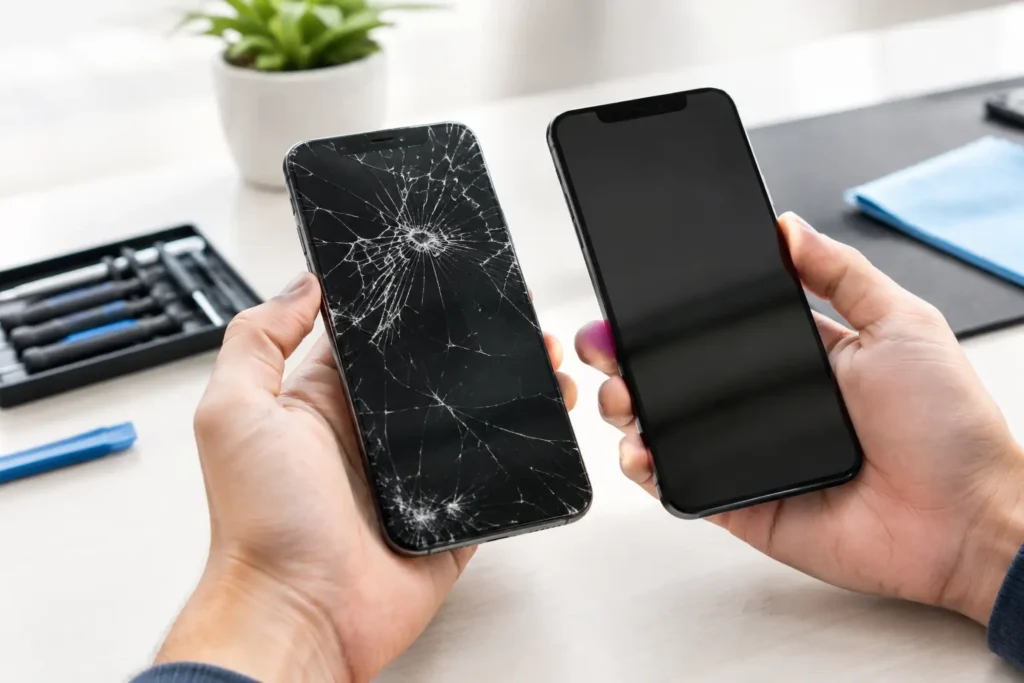
A cracked iPhone screen is more than an annoying line across your display. It can make messages hard to read, cut your fingers, weaken the phone’s water resistance and turn a small drop into a bigger problem. This iPhone screen replacement review looks at what a proper repair should include, what affects the cost, and whether repairing your phone is the sensible choice.
For most people, the answer depends on the age of the iPhone, the condition of the rest of the handset and the quality of the replacement part. A good repair can give a perfectly usable phone a fresh lease of life. A cheap repair carried out with the wrong part can leave you with a dim display, poor touch response or warnings you were not expecting.
Is an iPhone screen replacement worth it?
If your iPhone still has a healthy battery, reliable cameras, working speakers and no serious internal faults, a screen replacement is usually far more cost-effective than replacing the whole device. This is particularly true for newer models, where a new handset can cost hundreds of pounds.
It is also worth considering how much of your life is on the phone. Your banking apps, photos, schoolwork, work messages and contacts do not disappear just because the glass has cracked. Repairing the screen quickly helps you keep using the device you already know and trust, without the disruption of moving to a new phone.
There are cases where repair needs a closer look. If the phone is bent, has suffered liquid damage, repeatedly restarts, or has a rapidly draining battery as well as a broken screen, the screen may not be the only issue. A proper diagnosis should come before committing to a repair. Don’t let a broken device slow you down, but do make sure you are fixing the actual fault.
iPhone screen replacement review: what you should assess
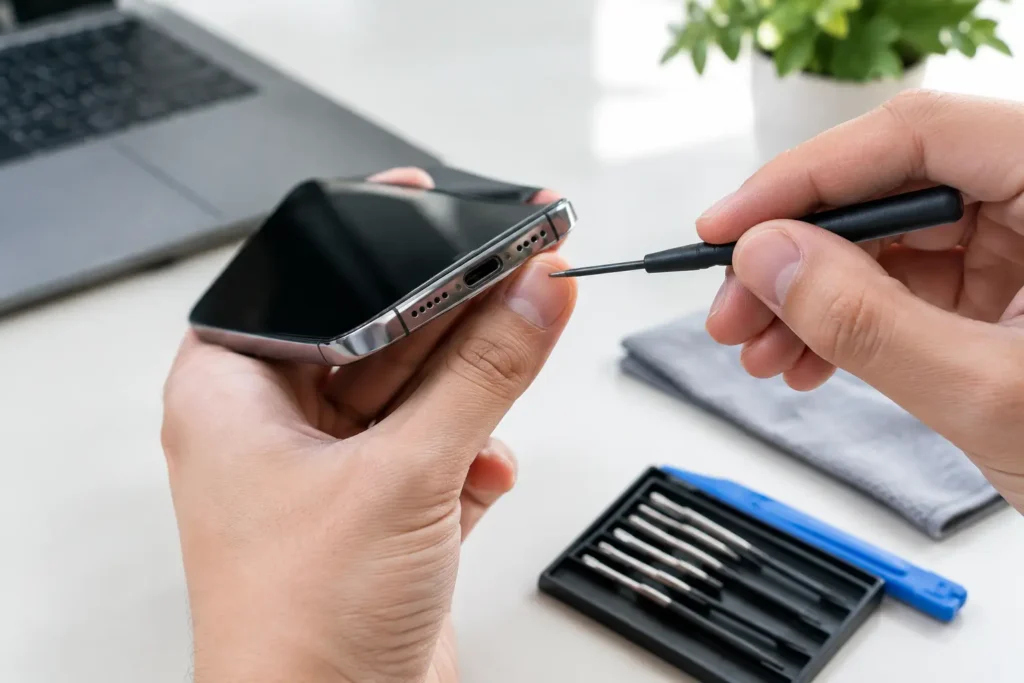
A screen repair is not just a piece of glass fitted to the front of a phone. On modern iPhones, the display assembly affects touch input, brightness, colour, proximity sensing and, on many models, Face ID-related components. The repairer’s handling of these parts matters just as much as the replacement screen itself.
Screen quality and display performance
The first question is what type of screen is being fitted. Depending on the iPhone model and parts availability, you may have a choice between an original-quality pulled screen, a refurbished original display, a premium compatible display or a more budget-focused compatible part.
Original OLED screens, used across many newer iPhone models, generally offer the deepest blacks, strong brightness and smooth colour reproduction. A premium compatible screen can still be an excellent practical choice, especially where keeping repair costs sensible is the priority. However, lower-grade parts may look less vivid, use more battery power or feel different when scrolling and typing.
A trustworthy repairer should explain the available options in plain English. The cheapest quote is not always poor value, but it should tell you what you are paying for. If nobody can say whether the replacement is OLED, LCD, refurbished original or compatible, ask before handing over your phone.
Touch response, True Tone and Face ID
After a quality screen replacement, tapping, typing, swiping and gestures should feel natural. There should not be dead spots, random touches or a noticeable delay. The display should sit correctly in the frame, without gaps around the edge or adhesive visible beneath the glass.
Some iPhone models may show a parts or service-history notification after a screen repair, particularly where Apple’s component pairing is involved. This does not automatically mean the repair was done badly or that the phone is unsafe to use. It is a device message that can appear when a screen has been replaced, even when the repair has been completed carefully.
True Tone availability can vary depending on the phone model, the screen fitted and the repair process. Face ID requires particular care because its components are paired to the handset. It should never be treated as an afterthought. A competent technician will test functions before and after repair, and will tell you clearly if pre-existing damage prevents a feature from working.
Frame condition and water resistance
A cracked screen often follows a drop, and a drop can bend the phone’s frame by a fraction. That small bend matters. If the frame is not assessed, a new screen may not seal or sit flat as it should, making it more vulnerable to future damage.
It is also sensible to be realistic about water resistance. iPhones are manufactured with seals, but opening any device for repair can affect those seals. Good repair practice includes fitting the screen carefully with appropriate adhesive, yet no repairer should suggest that a repaired phone is ready for a swim. Keep it away from water and treat splash resistance as reduced after any opening.
What should an iPhone screen repair cost?
There is no single fair price for every iPhone. Screen size, display technology, model generation and the grade of replacement part all affect the bill. An older iPhone with an LCD display may be relatively inexpensive to repair, while a recent Pro model with an OLED screen will cost more because the part itself costs more.
Be cautious of quotes that seem dramatically cheaper than every other local option. They can sometimes reflect a lower-quality part, a rushed fitting, missing warranty cover or an incomplete price that rises once the phone is inspected. Affordable should still mean properly fitted, fully tested and clearly explained.
A good quote should cover the screen, fitting and testing. If there is additional damage – such as a bent frame, damaged earpiece mesh or faulty front camera – you should be told before further work goes ahead. That transparency matters, especially when the phone is essential for work, study or family life.
Repair or replacement: a practical decision
Repair is generally the better route when the iPhone is less than a few years old and performs well in every other respect. Replacing a cracked screen can be cheaper than upgrading, and it reduces unnecessary electronic waste. For families with several phones, it can also be the difference between a manageable fix and an expensive month.
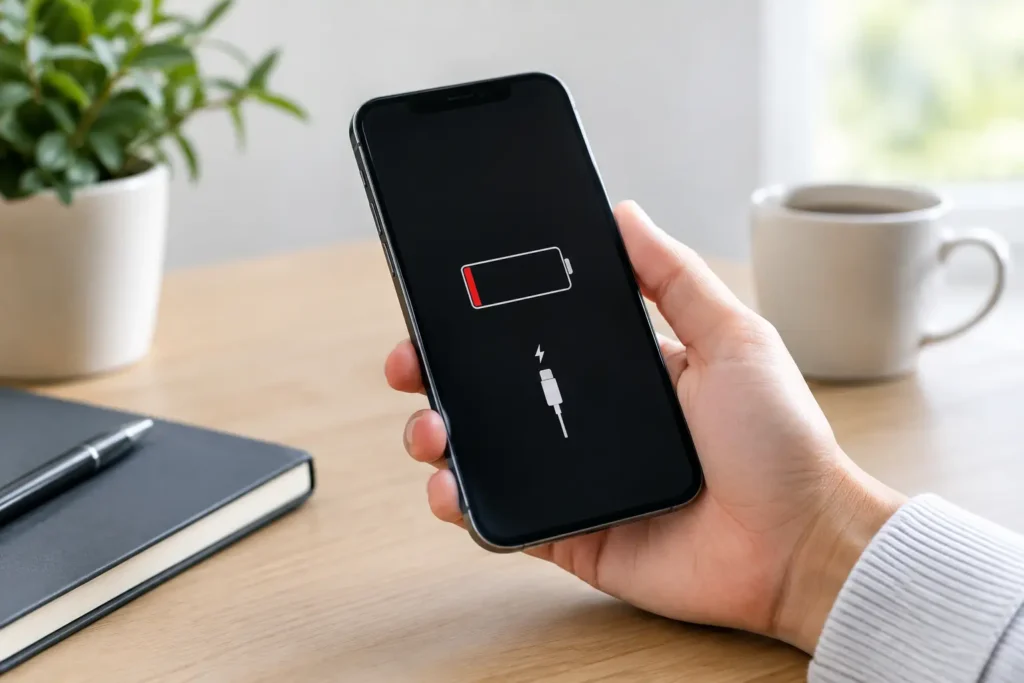
Replacing the handset may make more sense if several costly faults have arrived at once. For example, a badly cracked screen combined with a failing battery, damaged rear glass, unreliable charging port and water damage can add up. In that situation, compare the full repair cost with the value of a replacement phone, rather than focusing only on the screen.
Before deciding, back up your iPhone if the display still works. If it does not, avoid repeatedly forcing the screen or entering passcodes blindly, as too many failed attempts can disable the device. Keep your passcode private too. A reputable repair shop does not need it for a standard screen fitting, although you may be asked to unlock the phone yourself for final testing.
What a dependable local repair should feel like
The best screen repair experience is straightforward. You should receive a clear assessment, an explanation of the parts available, an honest price and a realistic turnaround time. Your phone should be handled securely, with its condition checked before work begins and key functions tested when the repair is complete.
For customers across Barrow-in-Furness, Furness, Cumbria and the Lake District, using a nearby specialist can also save the inconvenience of posting a phone away and waiting days without it. TechLab Repairs approaches iPhone repairs with that practical need in mind: fast, carefully assessed work, clear advice and a focus on getting your device back into everyday use.
When you collect the phone, take a minute to check the screen while you are there. Test touch response across the whole display, try the front camera, make a call to check the earpiece, adjust brightness and confirm that charging still works. A decent repairer will expect those checks and will be happy to answer questions.
A cracked screen does not automatically mean it is time for a new iPhone. Choose a repair based on part quality, technician care and clear aftercare, and your current phone may have plenty of reliable service left in it.