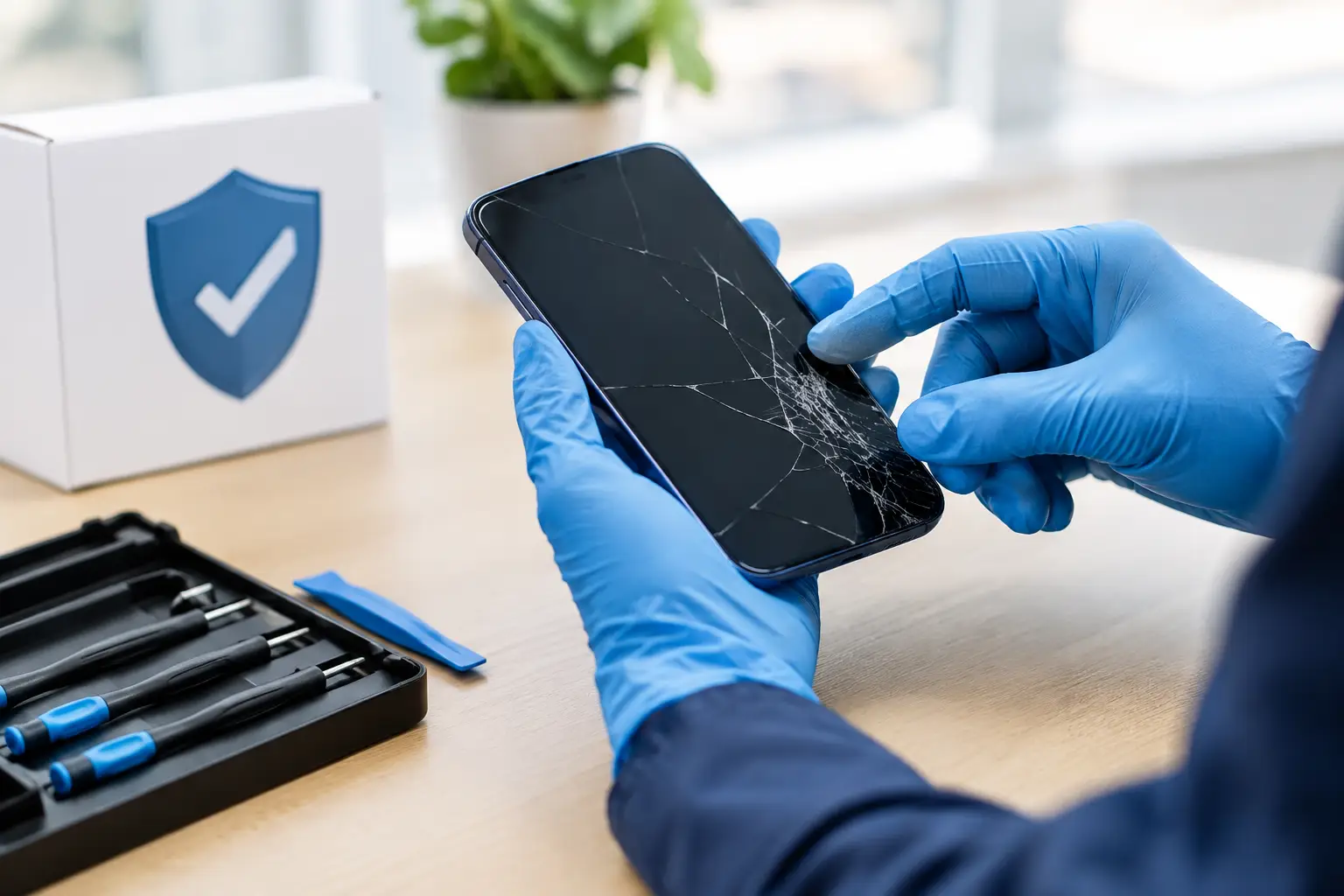
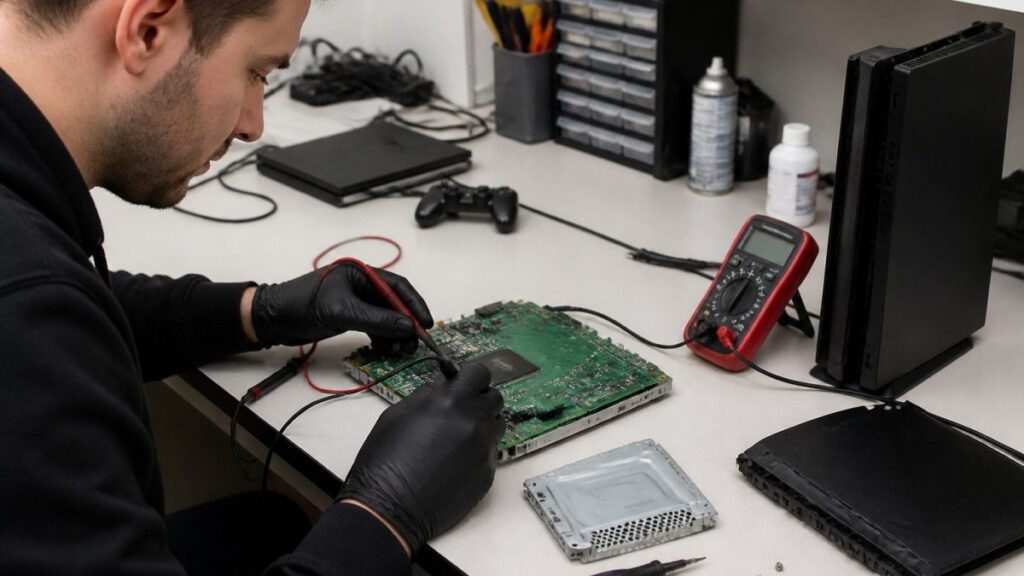
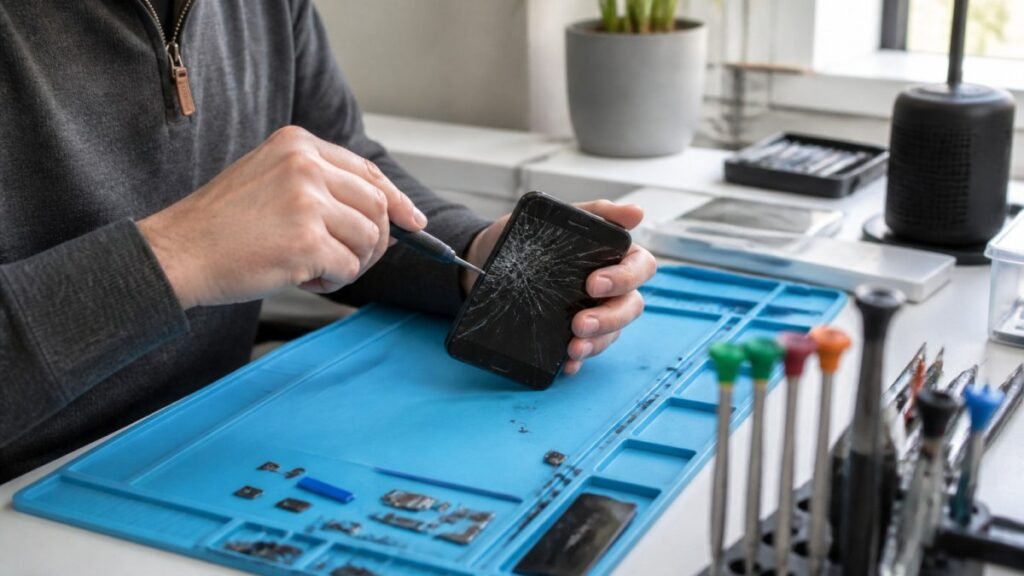
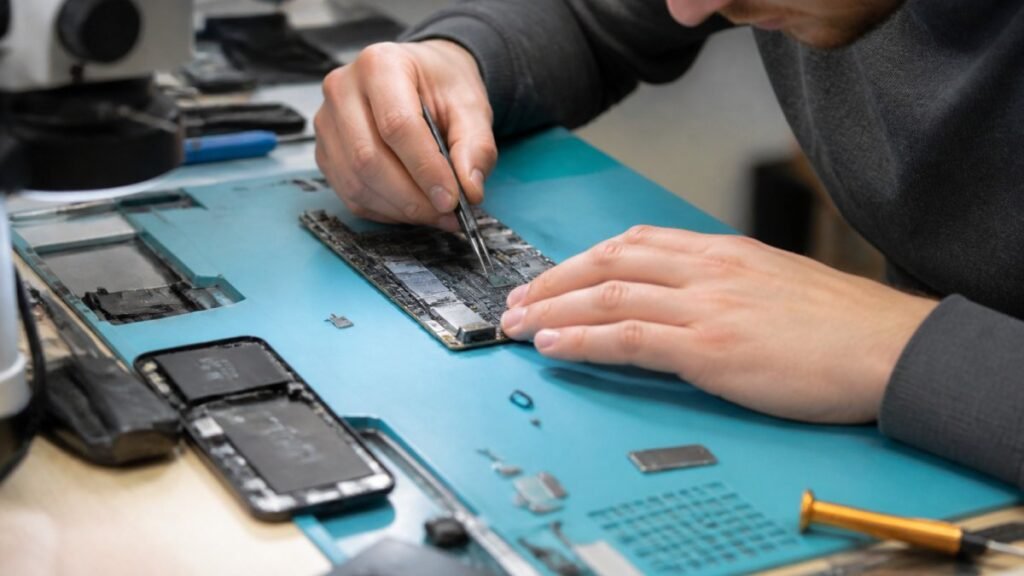
A cracked display is frustrating enough without worrying that fixing it could cost you warranty cover later. So, does screen repair affect warranty cover? It can, but not always in the way people expect. The answer depends on the type of warranty you have, who carries out the repair, the parts used, and the fault you need help with afterwards.
For most people in Barrow-in-Furness and across Cumbria, the practical question is simple: should you repair the screen now or keep using a damaged device to protect the warranty? In many cases, leaving it cracked causes more trouble. Sharp glass, touch faults, reduced water resistance and a worsening crack can all turn a straightforward repair into a bigger job.
What a manufacturer warranty usually covers
A manufacturer warranty is designed to cover faults caused by defective materials or workmanship. It is not normally insurance against accidental damage. If a phone has been dropped and the screen has cracked, the manufacturer is unlikely to replace it free of charge under its standard warranty, whether you repair it or not.
This distinction matters. A broken screen does not necessarily mean your whole device warranty has vanished. However, the manufacturer may refuse a later claim if the repair, replacement part or original impact is connected to the new fault.
For example, imagine you have an iPhone with a cracked screen that is repaired by an independent shop. A few months later, the battery begins to fail. If the battery issue is unrelated to the screen repair, you may still have grounds to ask for support. If the phone develops display faults, face recognition problems, touch issues or damage around the repaired area, the manufacturer may say the third-party repair needs to be assessed before it accepts responsibility.
The key point is that warranties are not always all-or-nothing. They often come down to the link between the repair and the fault being claimed for.
Does screen repair affect warranty if you use an independent repairer?
Using an independent repairer may affect a manufacturer warranty, particularly where the repair involves non-original parts or work inside the device. Manufacturers may set terms requiring authorised service for warranty repairs, and some devices can show a notification when a replacement screen has been fitted.
That does not give a manufacturer the right to ignore every future issue automatically. In the UK, your statutory consumer rights are separate from any voluntary manufacturer warranty. If a device was faulty when sold, a repair by another provider does not simply remove those rights. The retailer or manufacturer may still investigate whether the independent work caused or contributed to the problem, which is why clear paperwork and quality workmanship are valuable.
A reputable local repairer should explain the part options before any work starts. Genuine, original-quality and compatible screens can differ in price, brightness, touch response, colour accuracy and availability. There can also be model-specific considerations, such as display messages, fingerprint sensor calibration or retaining features such as True Tone. The cheapest repair is not always the best value if it compromises the way you use your phone every day.
Independent repair is often the sensible choice when the screen damage is accidental, the manufacturer warranty does not cover it, or you need a faster and more affordable local turnaround. It is especially useful for older devices where an authorised repair would cost close to the value of the handset.
Authorised repairs versus local screen repairs
An authorised repair route is usually best when your device is still under warranty, the fault may be a manufacturing defect, or you have paid for accidental damage cover through the manufacturer or network. It can protect compatibility with manufacturer systems and make later warranty conversations more straightforward.
The trade-off is often cost and convenience. You may need to book ahead, send the device away, wait longer for parts or accept a higher out-of-warranty price. That can be difficult when your phone is also your work number, camera, map, banking device and family contact point.
A trusted independent repair shop can offer a quicker local solution, often on the same day for common screen repairs. The right choice depends on your model, the remaining warranty period, the type of cover you hold and how urgently you need the device back.
Before deciding, check these four things:
- Whether the damage is covered by a manufacturer warranty, insurance policy, network plan or extended protection plan.
- Whether your device is still within its original warranty period and whether you expect to make a separate warranty claim soon.
- What grade of replacement screen is being offered and how it may affect features, display quality and future support.
- What guarantee the repairer provides for the replacement part and workmanship.
Your consumer rights still matter
In the UK, the Consumer Rights Act 2015 gives you protections when goods are faulty, not as described or not of satisfactory quality. Your agreement is generally with the retailer that sold you the device, even if the manufacturer supplied the warranty.
These rights are useful when a fault was present at the point of sale, but accidental screen damage can complicate the picture. If the phone has been dropped, the retailer may reasonably argue that later problems were caused by that impact rather than an original defect. Equally, a retailer should not dismiss a genuine, unrelated fault without proper consideration just because you had the screen repaired elsewhere.
Keep your proof of purchase, repair invoice and any written notes about the original condition of the device. If an issue develops after repair, this record helps establish a clear timeline. It also shows that you used a professional service rather than attempting a risky DIY repair.
Why DIY screen repairs can create bigger warranty problems
Screen repair kits can look tempting, particularly for older phones. But modern smartphones are tightly assembled devices with fragile cables, adhesives, batteries and sensors sitting close together. A small slip can damage the display connector, puncture a battery, affect cameras or reduce the seal that helps resist dust and moisture.
DIY work can also make later diagnosis harder. Missing screws, torn seals, damaged brackets or an incorrect display can give a manufacturer or insurer valid reasons to question a subsequent claim. If you are not experienced with the exact model, professional repair is usually the safer route.
The same applies to liquid-damaged devices. A cracked screen can weaken a device’s protection against moisture, but a screen replacement cannot guarantee that the original water-resistance rating will remain unchanged. A good repairer will be honest about this rather than making promises that the device is factory-sealed again.
How to protect yourself before a screen replacement
Back up your device before handing it over, even when the repair should not affect your data. Screens can fail without warning, and a repair sometimes reveals damage caused by the original drop. Remove your SIM card if requested, know your passcode arrangements and avoid sharing unnecessary account passwords.
Ask what part will be fitted, whether any features could be affected and how long the repair is expected to take. You should also receive a clear price before work begins and a repair warranty that covers the fitted part and workmanship. This is separate from the device manufacturer’s warranty and gives you reassurance if the replacement screen develops a fault.
At TechLab Repairs, customers can discuss their device model, the damage and their warranty concerns before choosing a repair route. That conversation is worth having, particularly for newer iPhones, Samsung handsets, tablets and laptops where part choice can make a real difference.
A cracked screen should not force you into an expensive decision or leave you using a device that is difficult to trust. Check the cover you have, choose the repair option that fits your circumstances, and make sure the person working on your device is prepared to explain exactly what happens next.