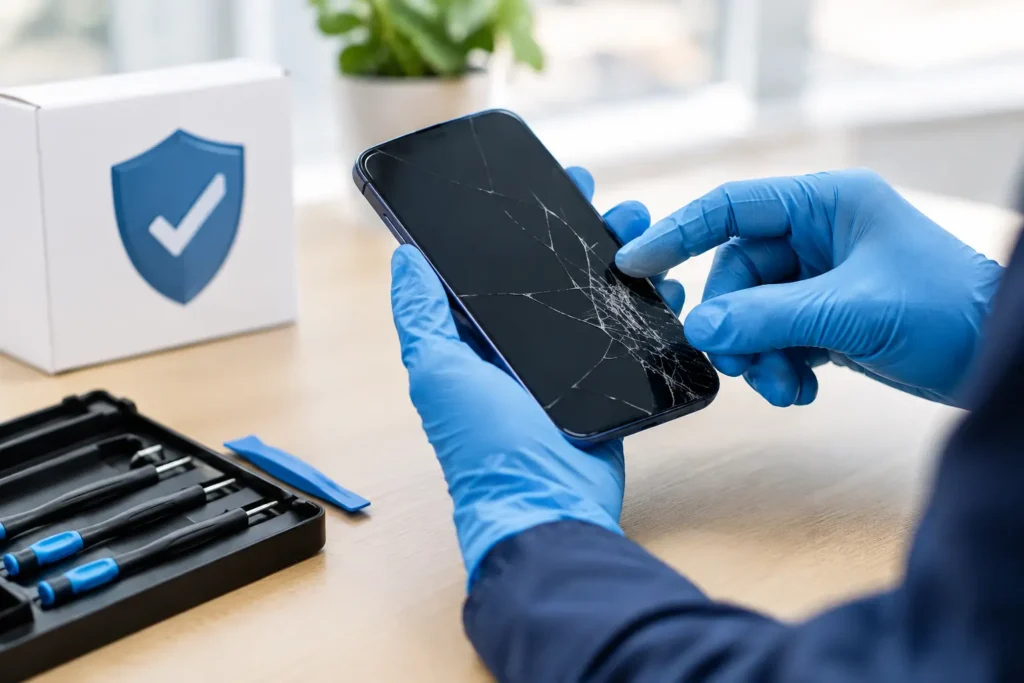
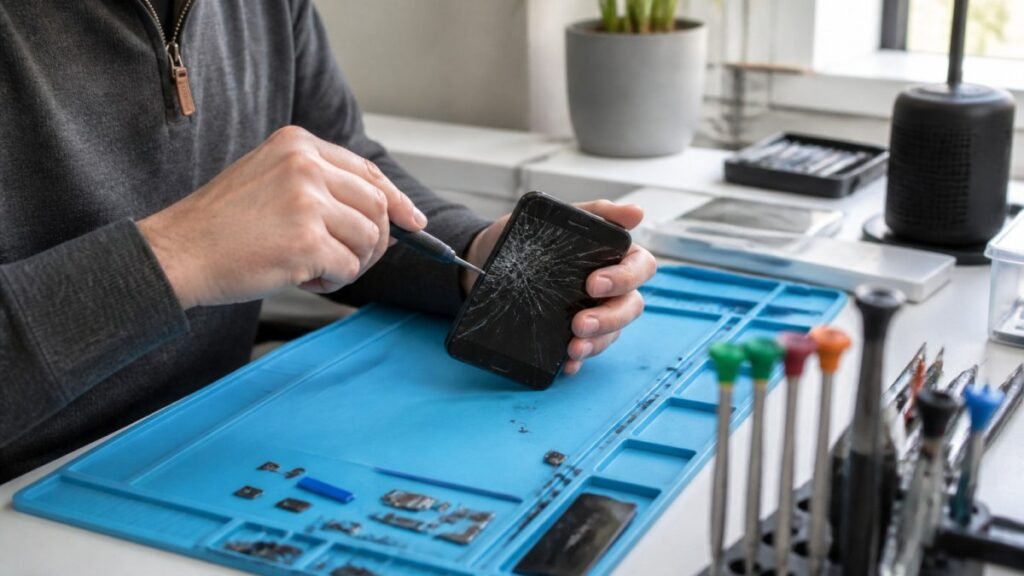
A cracked iPhone screen before work, a laptop that will not charge before an assignment, or a console with a failed HDMI port can turn a normal day into a headache. The choice between third party versus authorised repair can feel equally confusing. One route may be quicker and more affordable; the other may suit a device still covered by a manufacturer warranty. The right answer depends on the fault, the device’s age, its value and what matters most to you.
For customers across Barrow-in-Furness, Furness, Cumbria and the Lake District, the practical question is simple: who can return your device to reliable working order with clear pricing and proper care? Here is how to make that decision without being pushed into an expensive replacement you may not need.
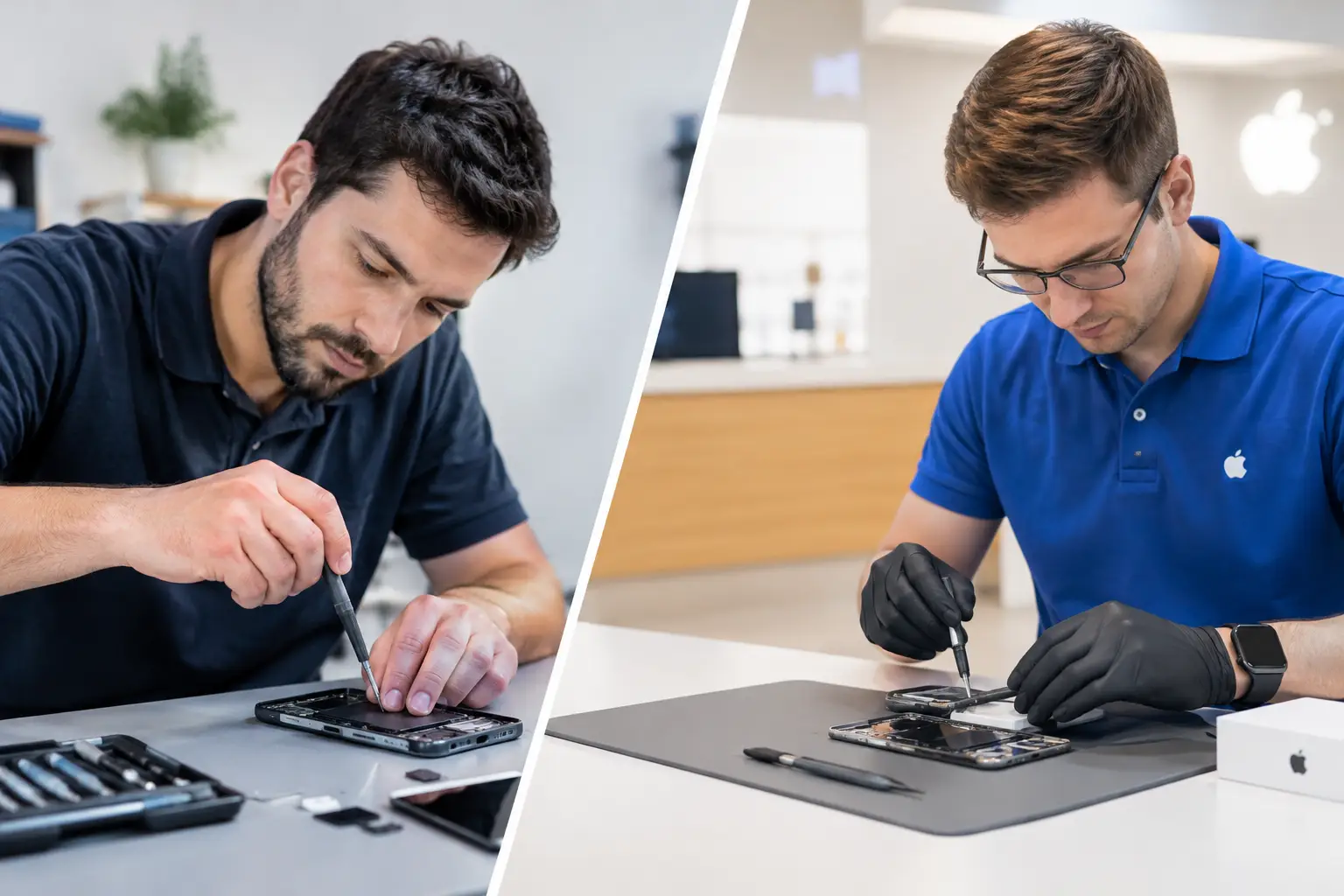
Third Party Versus Authorised Repair: The Main Difference
An authorised repair provider is approved by a manufacturer to carry out work under that brand’s processes. They may use manufacturer-supplied components, diagnostics and repair systems, and they are often the route for warranty repairs. Apple, Samsung and other manufacturers each set their own requirements, so the exact service available varies by brand, model and location.
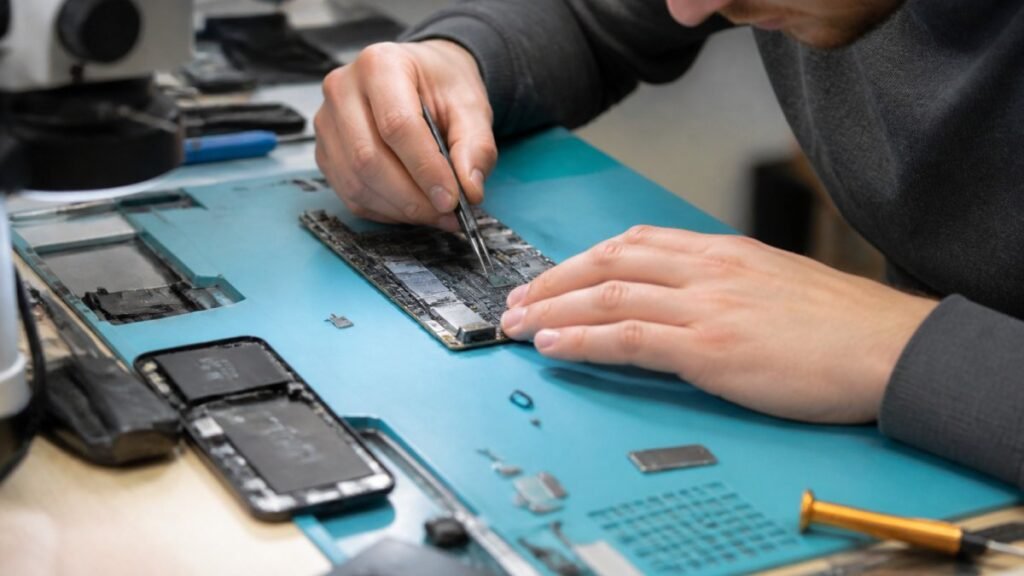
A third-party repairer is an independent specialist. A good independent repair shop can work across many makes and models, from iPhones and Samsung handsets to MacBooks, Windows laptops, tablets, desktops and gaming consoles. Rather than being tied to one manufacturer’s service programme, it can focus on diagnosing the specific fault and offering a practical repair.
Neither label alone guarantees a better outcome. Authorisation can be useful, particularly for new devices and warranty claims. Independent expertise can be the stronger option when you need a fast, economical solution for an older device, a complex board-level fault, or hardware a manufacturer does not repair at component level.
When an Authorised Repair Is the Better Choice
If your device is within its manufacturer warranty, has an active protection plan, or has been bought very recently, start by checking the cover. A manufacturing defect may be repaired at no cost if it meets the manufacturer’s terms. Accidental damage is usually treated differently, although some protection plans include it subject to an excess.
Authorised repair can also make sense when maintaining a manufacturer service record is your priority. This may matter for a nearly new premium phone, a device covered by a business fleet agreement, or equipment you plan to sell soon. On certain models, manufacturer components and calibration processes can affect how repair information appears in device settings or whether particular software features operate as intended.
There are trade-offs. Authorised routes can involve appointments, sending a device away, longer turnaround times, or replacement rather than repair. They may also decline work where there is liquid damage, previous repair history or damage outside their service criteria. That does not always mean the device is beyond saving. It may mean the available manufacturer option is a full-unit replacement rather than a targeted repair.
Warranty is not the whole story
Customers sometimes hear that any independent repair automatically voids a warranty. It is more complicated than that. A manufacturer may refuse to cover a later issue if an independent repair or non-original part caused that specific problem. Your statutory consumer rights also remain relevant, especially where a product was faulty when supplied.
Before approving any repair, ask what happens to your remaining manufacturer cover and what warranty the repairer provides for their own workmanship and parts. Clear answers matter more than broad promises.
When a Third-Party Repair Makes More Sense
Independent repair is often the sensible route once a device is out of warranty. Paying a manufacturer’s replacement price for a screen, battery, charging fault or broken HDMI port is not always good value, especially when the rest of the device works perfectly.
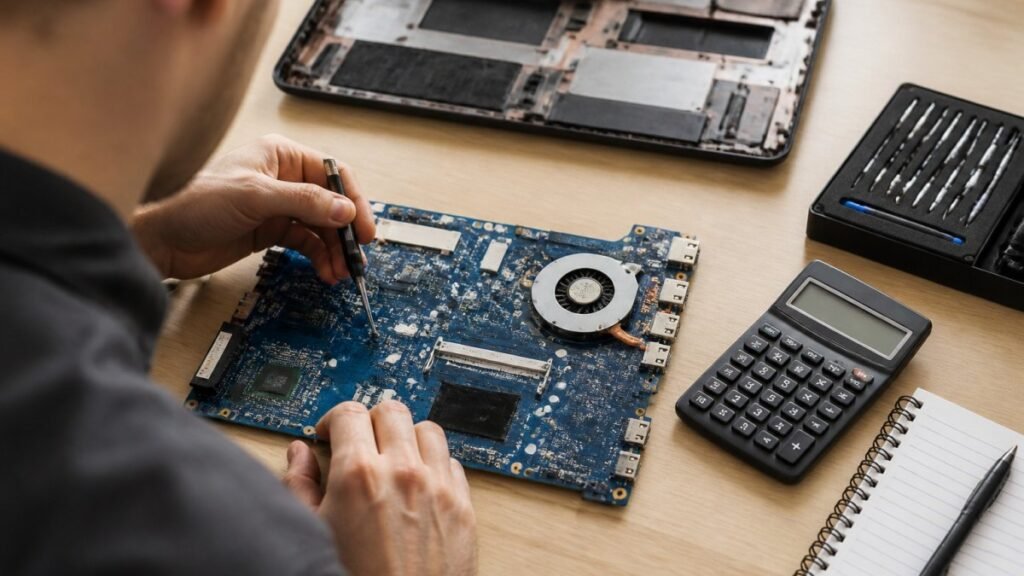
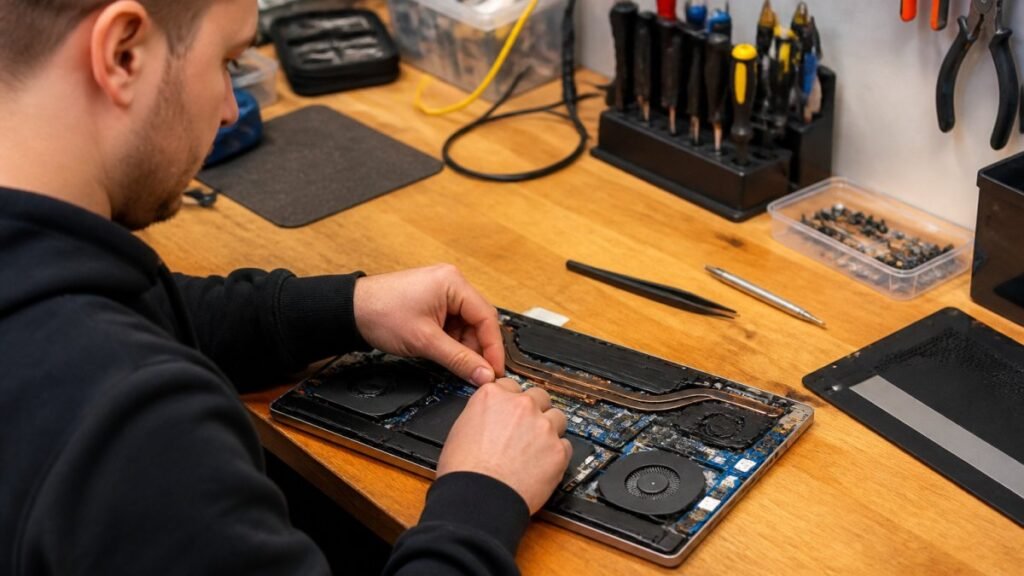
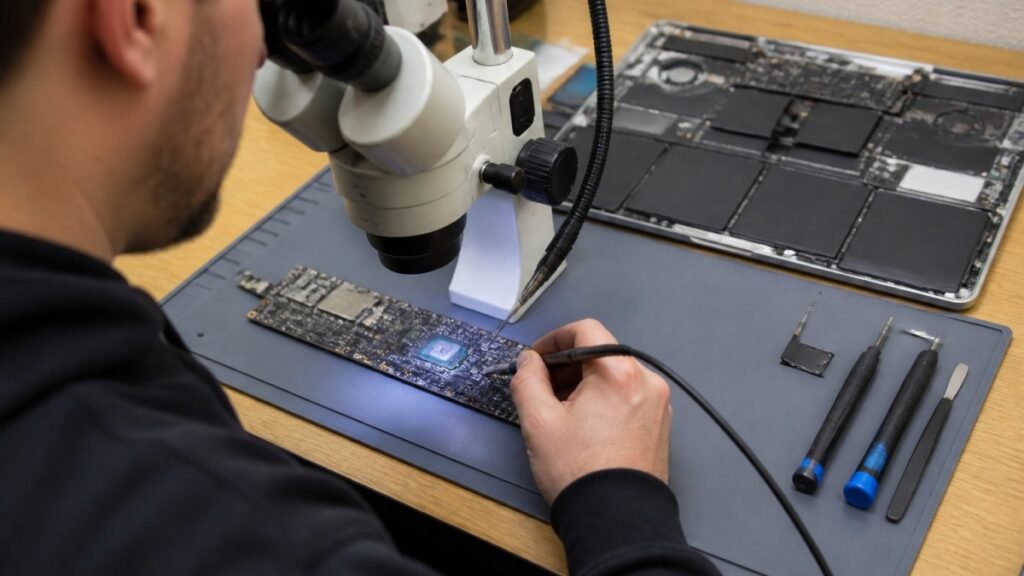
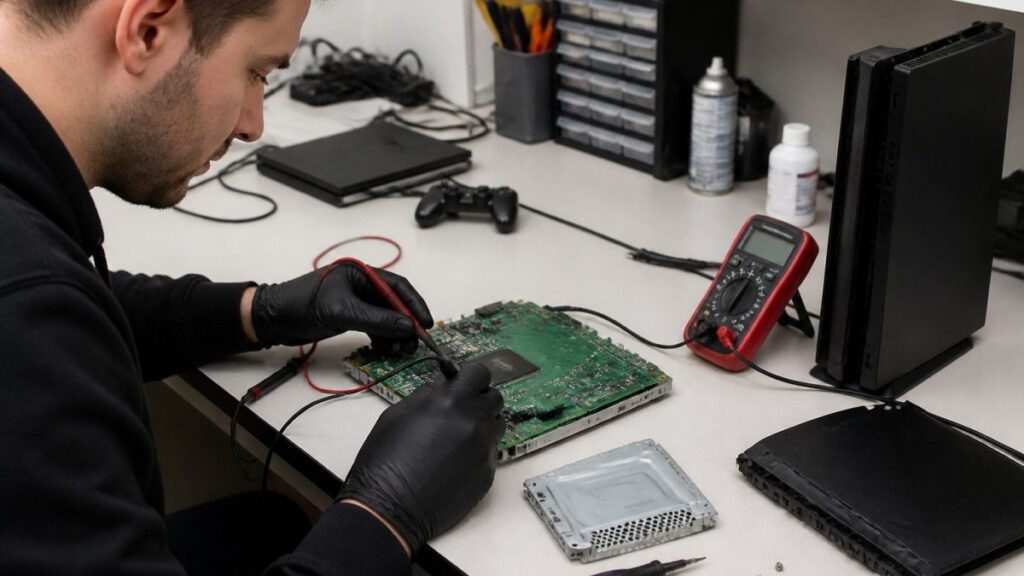
A capable independent technician can assess whether the fault is limited to one replaceable component. A weak battery, worn charging port, damaged display, faulty fan or failed console HDMI connector does not automatically make a device disposable. Repairing the part can extend its working life, reduce disruption and keep useful technology out of the drawer or recycling pile.
Speed is another major factor. If your phone holds family photos, two-factor authentication and work contacts, being without it for a week is not a small inconvenience. A local repairer may be able to diagnose and complete common work far sooner than a send-away service, subject to parts availability and the complexity of the fault.
Independent specialists can also help where manufacturer support has ended. Older iPhones, Samsung models, laptops and consoles can remain dependable for years with the right repair. For families, students and small businesses, that can be a far better use of money than replacing several devices at once.
Not all independent repairs are equal
The term third party covers everything from skilled repair workshops to poor-quality quick fixes. Choosing on price alone can lead to disappointing results: an inferior screen, weak battery, loose charging port, lost water resistance or a repair with no proper aftercare.
Ask what grade and type of part will be fitted. On some devices, there may be genuine, original pulled, premium compatible and budget compatible options. Each can have a place, but the difference should be explained in plain English. A reputable repairer should also tell you if a repair could affect fingerprint sensors, face recognition, display messages, water resistance or other model-specific features.
Compare the Quote, Not Just the Price
A low headline price is only useful if it includes the work needed to fix the problem. For example, a phone that will not charge might need a port clean, a replacement charging connector, a battery, or board-level diagnosis. These are very different jobs.
Before booking, ask whether the quote includes diagnostics, parts, labour, VAT where applicable and a repair warranty. Check what happens if the technician finds additional damage after opening the device. You should be contacted before extra work is carried out, not presented with a surprise bill at collection.
It is also worth asking whether the repairer will test the device properly before returning it. A screen replacement should not only make the glass look new. Touch response, display quality, cameras, speakers, charging, proximity sensors and biometric functions may all need checking where relevant.
For businesses and schools, this becomes even more important. A predictable repair process, asset details, honest fault reporting and fast communication reduce downtime across a whole team. The cheapest repair is not a saving if a member of staff loses access to essential work for days.
Data Security Should Be Part of the Decision
Your device contains more than hardware. It may hold passwords, banking apps, customer information, photos, schoolwork and business files. Whether you choose authorised or independent repair, back up your data first if the device still powers on.
Remove the SIM card if requested, and do not share your passcode unless it is genuinely necessary for testing. Some repairs can be completed without it; others require access to check functions after the work. A trustworthy repairer will explain why access is needed, how your data will be handled and what you can do to prepare the device.
For business devices, ask about secure handling, collection procedures and whether repair notes are kept against the correct asset. If a device cannot be backed up because it will not start, make that clear from the outset. Data recovery and hardware repair are related but different services, and neither should be promised where success cannot be guaranteed.
A Simple Way to Decide
Start with the device’s status. If it is new, covered by a manufacturer plan or has a confirmed production fault, authorised repair may be the most straightforward route. If it is out of warranty and needs a common hardware repair, an experienced local independent specialist is often quicker and better value.
Then consider the type of fault. Manufacturer programmes may be ideal for eligible warranty claims, while independent technicians can be particularly helpful for screens, batteries, charging faults, liquid damage assessment, logic board work and gaming console ports. Finally, consider your timescale. If your device is essential for work, school, travel or staying in touch, a realistic turnaround matters.
At TechLab Repairs, the focus is on giving you a clear diagnosis and a repair option that suits the device, rather than treating every fault as a reason to replace it. Ask the questions, understand the trade-offs and choose the service that gets your technology working properly again with confidence.