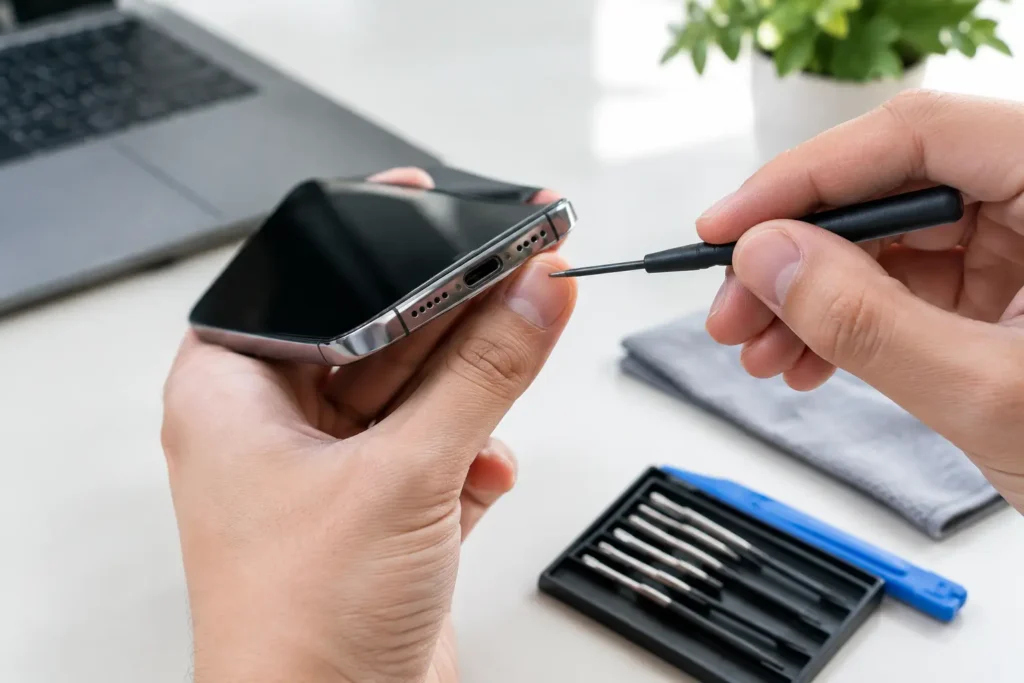
A cracked phone screen used to feel like a reason to upgrade. Now, with flagship handsets costing hundreds of pounds and personal data living on every device, repair is often the smarter first move. The biggest electronics repair industry trends are making that choice easier: better access to parts, more specialist board-level work, stronger demand for secure local service, and a growing expectation that devices should last longer.
For households, schools and businesses across Cumbria, this shift matters. A broken iPhone, laptop or games console is rarely just an inconvenience. It can interrupt work, coursework, customer communication, banking, bookings and family life. The repair sector is responding with quicker diagnostics, wider device knowledge and more practical alternatives to replacement.
Electronics repair industry trends changing the market
The strongest trend is simple: people are keeping devices for longer. The latest phone may have a sharper camera or a faster processor, but many older models remain perfectly capable after a new battery, charging port, screen or other targeted repair. This is especially true when a device already holds familiar apps, photos, files and settings.
Cost is one reason. Replacing a premium smartphone, MacBook or gaming console can be expensive, particularly when a single fault is responsible for the problem. Sustainability is another. Extending the life of a working device reduces avoidable electronic waste and makes better use of the materials already inside it.
That does not mean every repair is automatically the right answer. A very old laptop with several faults, poor battery health and limited software support may not be good value to restore. A reputable repairer should explain the likely outcome and cost clearly, rather than pushing a repair that does not make sense. Good advice is part of good service.
Repairability is becoming a buying decision
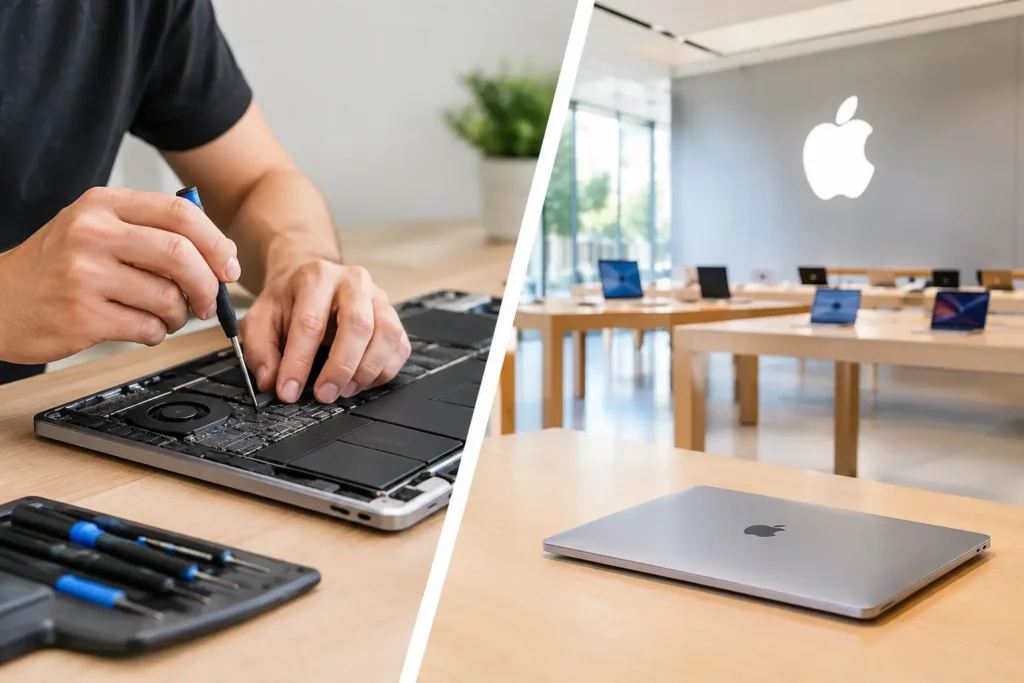
Consumers are increasingly asking whether a device can be repaired before they buy it. Battery access, screen design, availability of replacement parts and the cost of common repairs all influence that decision. Manufacturers are under more pressure to support repairs for longer, while customers are more aware that a sealed-looking device can still often be professionally repaired.
This is changing the conversation at the repair counter. Instead of only asking, “Can you fix it?”, people are asking how long the repair will last, whether the part comes with a guarantee and whether their data will be safe. Those are sensible questions.
For local repair businesses, the opportunity is not simply fitting more screens. It is helping customers make a confident decision. A clear diagnosis can distinguish a worn battery from a charging fault, or a damaged display from a deeper logic board issue. That accuracy avoids wasted money and gets the right device back in use sooner.
More devices, more specialist faults
The range of equipment needing repair continues to grow. Phones remain a major part of the market, particularly iPhone and Samsung models, but demand now stretches across tablets, laptops, desktop PCs, MacBooks, iMacs, games consoles and business hardware.
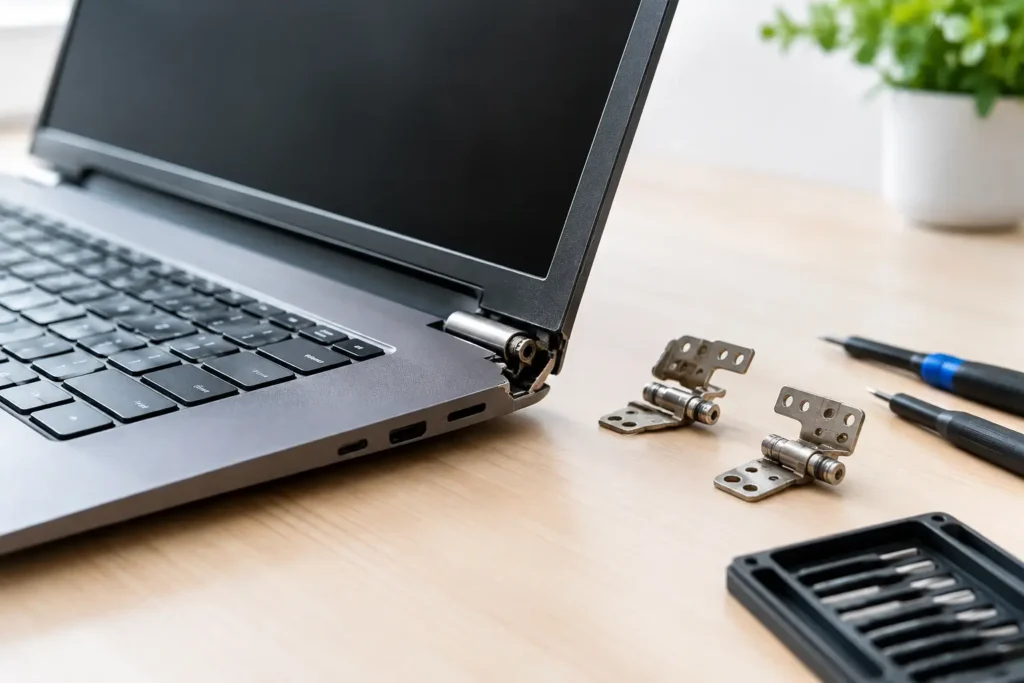
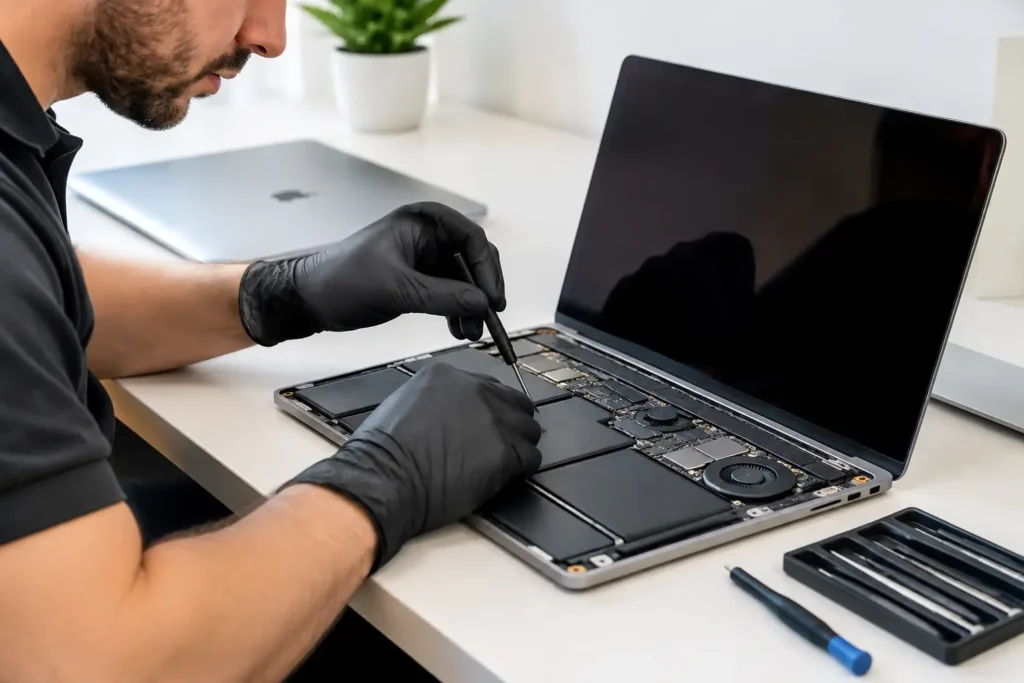
Each category has its own common problems. A handset may need a screen, battery or charging port. A laptop may have liquid damage, a failed keyboard, hinge damage or a power fault. A console can develop HDMI port problems, overheating or no-display faults. These jobs require different tools, parts and diagnostic methods, which is why broad technical experience has become a real advantage.
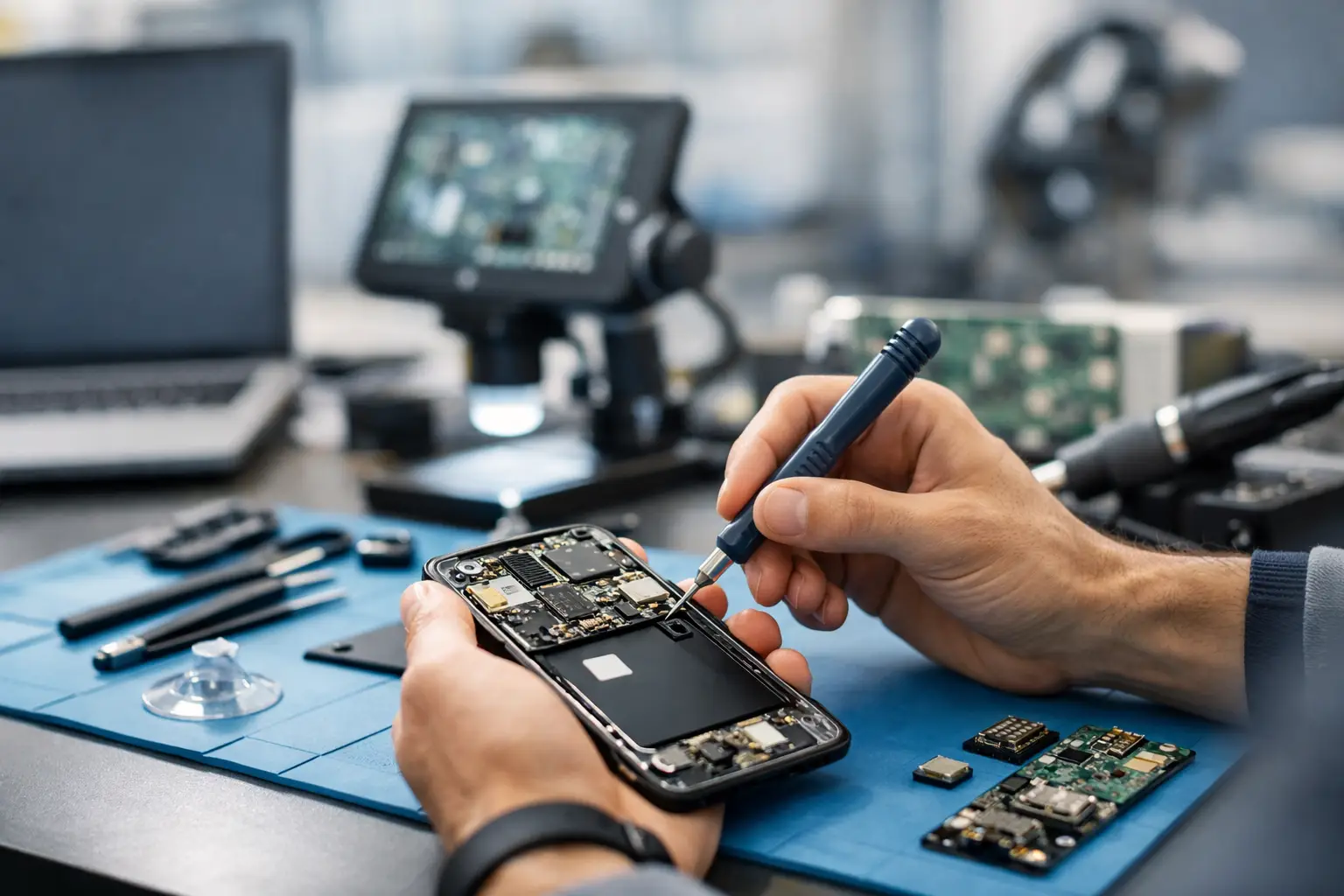
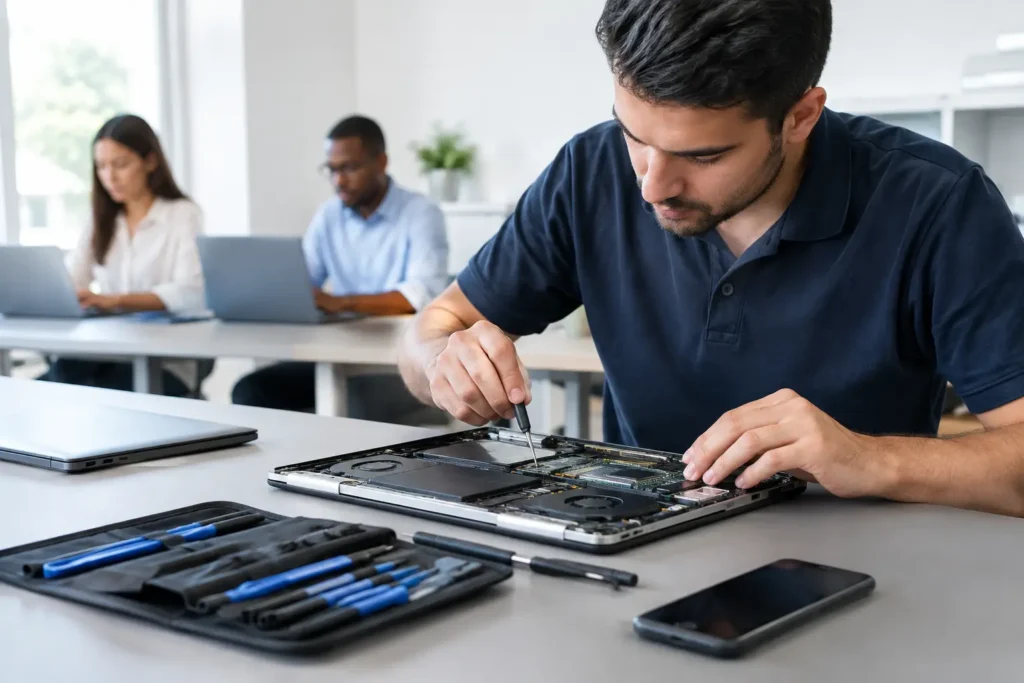
At the same time, repairs are moving beyond straightforward component swaps. Board-level work is becoming more valuable where a fault lies in a connector, power circuit, charging line or another small component on the main board. These repairs can save a device that might otherwise be written off, but they demand careful diagnosis and skilled workmanship. They are not suitable for rushed guesswork.
Secure data handling is no longer optional
When someone hands over a phone or computer, they may also be handing over access to photographs, messages, work documents, accounts and customer information. Data security has become one of the most important electronics repair industry trends because customers rightly expect privacy as standard.
For personal customers, that means being told if a passcode is needed, why it may be required and how it will be handled. It also means a repairer should avoid asking for access that is not necessary for the job. For example, some display or charging repairs can be tested without needing to browse through a customer’s device.
For businesses and schools, the stakes are higher. A damaged staff laptop or pupil tablet may contain sensitive records, login details or protected information. Repair support needs a clear process for identifying the device, recording the fault, communicating approval and returning it to the right person. Organisations also benefit from a local repair partner that understands the need for consistent records, sensible turnaround times and volume pricing.
Before any repair, it is wise to back up data if the device will still power on. That is not because repair should put data at risk, but because liquid damage, storage faults and serious power issues can be unpredictable. A good repair shop will be honest about that risk rather than making promises no technician can guarantee.
Faster turnaround matters more than ever
Convenience has changed customer expectations. People do not want to send a phone away for weeks when it is needed for work, travel or family contact. They want a realistic answer: what is wrong, what can be done, what it will cost and when they can expect the device back.
Fast service does not mean cutting corners. The best turnaround depends on the fault, device model and availability of quality parts. A common screen or battery replacement can often be completed quickly, while liquid damage treatment, intermittent faults and board-level repairs need more time for testing. The important thing is transparent communication from the start.
This is where a local repair specialist can make a meaningful difference. There is someone to speak to, a place to bring the device and a clear route to ask questions if the issue changes. For customers in Barrow-in-Furness, the Furness peninsula and wider Cumbria, that local accountability can be far more reassuring than posting an essential device to an unknown repair centre.
Quality parts and guarantees will separate repairers
Not all replacement parts are equal. A lower-priced screen may seem attractive, but poor-quality components can affect brightness, touch response, battery use or long-term reliability. The same applies to batteries, charging ports and console connectors.
The right option depends on the device, budget and intended lifespan. Some customers want the closest possible match to the original specification. Others need a dependable, affordable solution for an older handset. Both needs are valid, provided the choice is explained honestly before work begins.
A clear guarantee also matters. It shows that the repairer stands behind their workmanship and gives customers a route back if a related issue appears. It should not be used as a vague marketing line. Customers deserve to know what is covered, for how long and what falls outside the repair, such as new accidental damage or an unrelated fault.
Businesses and schools are choosing repair over disruption
The repair market is not driven only by individual phone owners. Businesses and schools are relying on more connected equipment than ever, from staff laptops and tablets to phones, desktop PCs and point-of-sale devices. Replacing every faulty unit is costly and creates disruption while new devices are ordered, configured and issued.
A repair-first approach can reduce downtime, particularly when an organisation has several similar devices with repeatable faults. Battery replacements, screen repairs and charging issues are often far more economical than replacement, provided the underlying device is still suitable for its role.
The practical value lies in having a dependable process. Devices need to be assessed quickly, approvals kept simple and users kept informed. For smaller businesses, this might mean getting one director’s laptop working again before a deadline. For a school, it may mean repairing a batch of tablets within an agreed budget. The technical repair is only one part of the service – communication and reliability matter just as much.
What customers should expect from a repair service
As the market becomes more professional, customers should expect more than a quoted price. They should receive a sensible diagnosis, a clear explanation of the repair options and realistic timings. If a fault cannot be confirmed without further testing, that should be said plainly.
They should also expect a repairer to consider the whole device. A phone with a cracked screen may also have a weakened frame. A laptop that will not charge may have a damaged port, but it could also have a battery or motherboard issue. Treating symptoms without checking the cause can lead to repeat problems.
For local customers, choosing a specialist with experience across phones, computers and consoles can make life simpler. Rather than finding a different provider for every device, households and organisations can get practical advice from one dependable place. TechLab Repairs reflects this broader approach, supporting everyday repairs as well as more complex hardware faults with a focus on fast, secure and fairly priced service.
A broken device does not have to slow everything down. Before replacing it, ask what has failed, what the repair involves and whether a well-carried-out fix could give it several more useful years.