A phone that drops from 40% to 10% before lunch is more than annoying. It can mean missed calls, a dead sat-nav on the way home, or no ticket barcode when you need it. The best ways to extend phone battery life start with a few sensible settings changes, but they also mean knowing when the battery itself is simply worn out.
Modern iPhones and Samsung phones are designed to manage power intelligently, yet bright screens, weak signal, demanding apps and ageing batteries can still drain them quickly. Here is how to get more reliable use from each charge without turning your phone into a featureless brick.
Best ways to extend phone battery day to day
Turn down screen power first
Your display is usually one of the largest drains on a phone battery. Lowering brightness manually, or using adaptive brightness, can make a noticeable difference during a full day away from a charger. It is especially worthwhile indoors, where maximum brightness is rarely needed.
Set a shorter screen timeout too. Thirty seconds may feel abrupt at first, but it stops the display staying lit while the phone sits on a desk, in a pocket or on the sofa. If your handset has an always-on display, consider switching it off when battery life matters more than seeing the clock at a glance.
Dark mode can help on many newer phones with OLED screens, particularly when you use apps with genuinely dark backgrounds. The saving will not transform a failing battery, but it is a useful small win that costs nothing.
Use power-saving modes at the right time
Low Power Mode on iPhone and Power Saving Mode on Samsung devices reduce background activity, visual effects and some performance demands. They are ideal for long workdays, travelling through the Lake District, or those days when you know you will not reach a charger until evening.
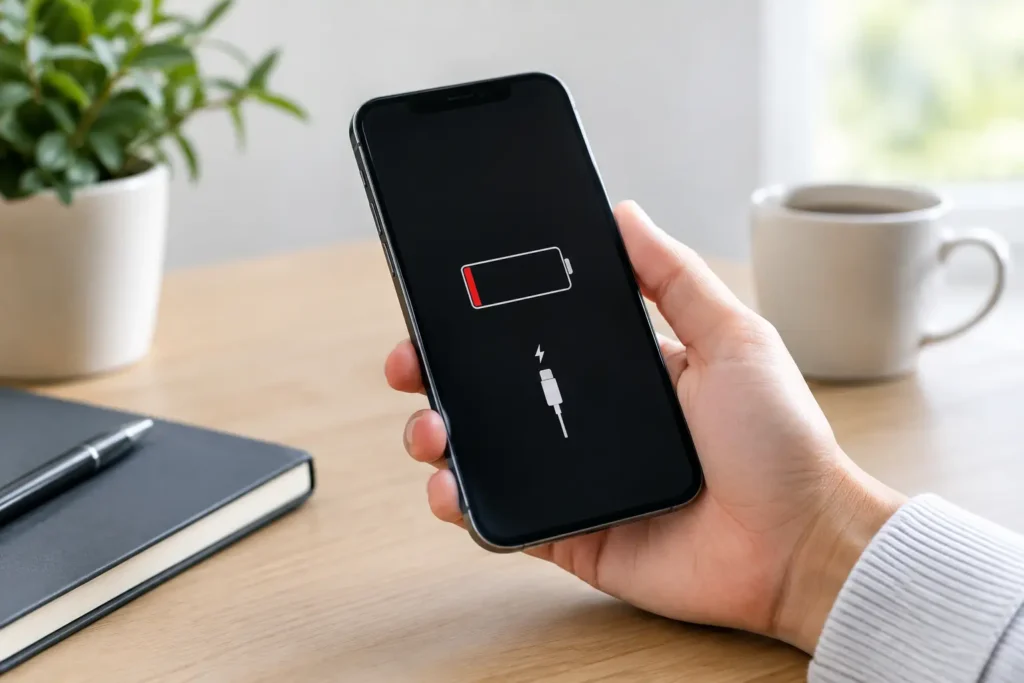
You do not need to leave these modes on permanently. Your phone may refresh emails less often, pause some photo syncing and make certain tasks feel slightly slower. A better approach is to turn them on at 30% or 40%, rather than waiting until the battery warning appears at 10%.
Find the apps doing the damage
Battery settings show which apps have used the most power over the past day or several days. Look for an app that sits unusually high on the list, particularly if it has had heavy background activity when you have barely opened it.
Social media, navigation, video streaming, games and camera apps naturally use plenty of power. That is normal. What is less normal is an app draining battery in the background overnight. Update it, restrict background refresh where appropriate, or remove it if you no longer use it.
Be selective rather than switching every permission off. A weather app does not need constant location access, for example, but a navigation app obviously does while you are driving. The goal is to stop unnecessary activity, not make useful apps stop working.
Manage signal and wireless connections
When your phone struggles to hold a mobile signal, it works harder searching for a mast and maintaining a connection. This is common in rural spots, older buildings and certain parts of Cumbria. If you are somewhere with no usable signal for a while, switching on aeroplane mode can preserve a surprising amount of charge.
Wi-Fi generally uses less power than mobile data when you are connected to a reliable network, so use it at home, work or school where possible. Turn off Bluetooth if you are not using headphones, a smartwatch or another accessory, but there is no need to obsess over every wireless setting. The difference from Bluetooth alone is usually modest on a healthy modern phone.
Charging habits that protect battery health
Lithium-ion batteries wear down gradually. Every charge cycle causes a small amount of chemical ageing, and heat speeds that process up. You cannot prevent it completely, but you can avoid the habits that make it happen sooner.
Keep the phone cool while charging
Heat is one of the quickest ways to shorten battery life over time. Avoid leaving your phone charging on a sunny windowsill, under bedding, on a radiator or inside a hot car. If it becomes very warm while plugged in, remove a thick case temporarily and check that the charging cable and plug are in good condition.
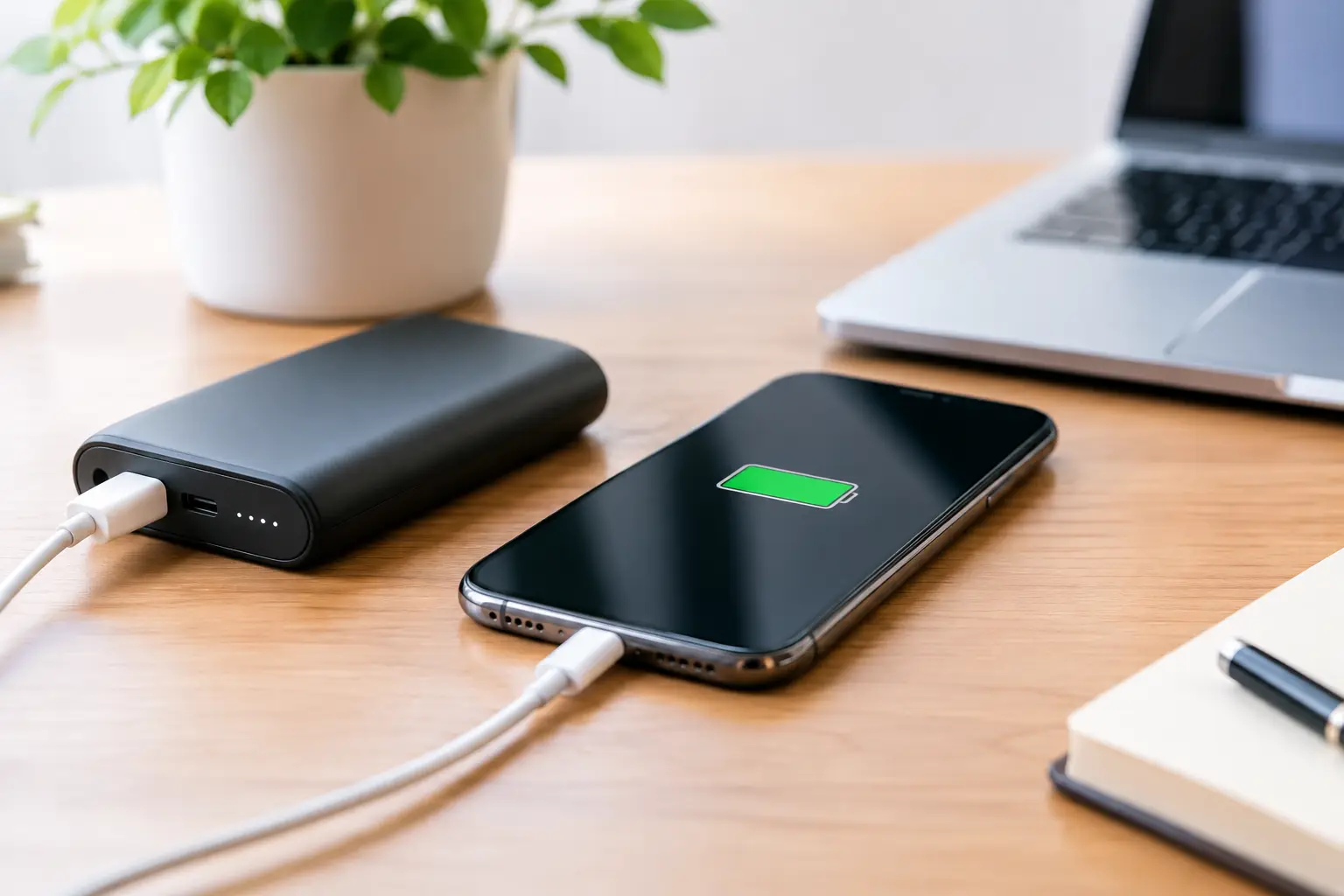
Wireless charging is convenient, but it can generate more heat than a cable, depending on the charger and phone. It is perfectly fine for everyday use with quality equipment, though a wired charger may be the better choice if your handset regularly gets hot or you are trying to minimise heat overnight.
Do not worry about chasing 100% every time
Phones are built to be charged whenever convenient. You do not need to run a battery flat before plugging in, and frequent shallow charges are not harmful in the way older battery myths suggest.
For long-term health, many people find it practical to keep their phone roughly between 20% and 80% where possible. It is not a strict rule. Charging to 100% before a long day, a journey or an emergency is sensible. The bigger concern is repeated heat and leaving an already hot phone at full charge for extended periods.
Use your phone’s built-in charging protections. iPhones offer Optimised Battery Charging, while many Android and Samsung devices include adaptive charging or battery-protection settings. These features learn your routine or limit charging behaviour to reduce the time spent sitting at maximum charge.
Use safe, reliable charging accessories
Cheap, damaged or uncertified cables and plugs can charge slowly, disconnect repeatedly or generate excess heat. If a cable only works at a certain angle, feels loose in the port or causes intermittent charging, stop using it. A worn cable is not worth risking a charging-port repair or unreliable power when you need your phone most.
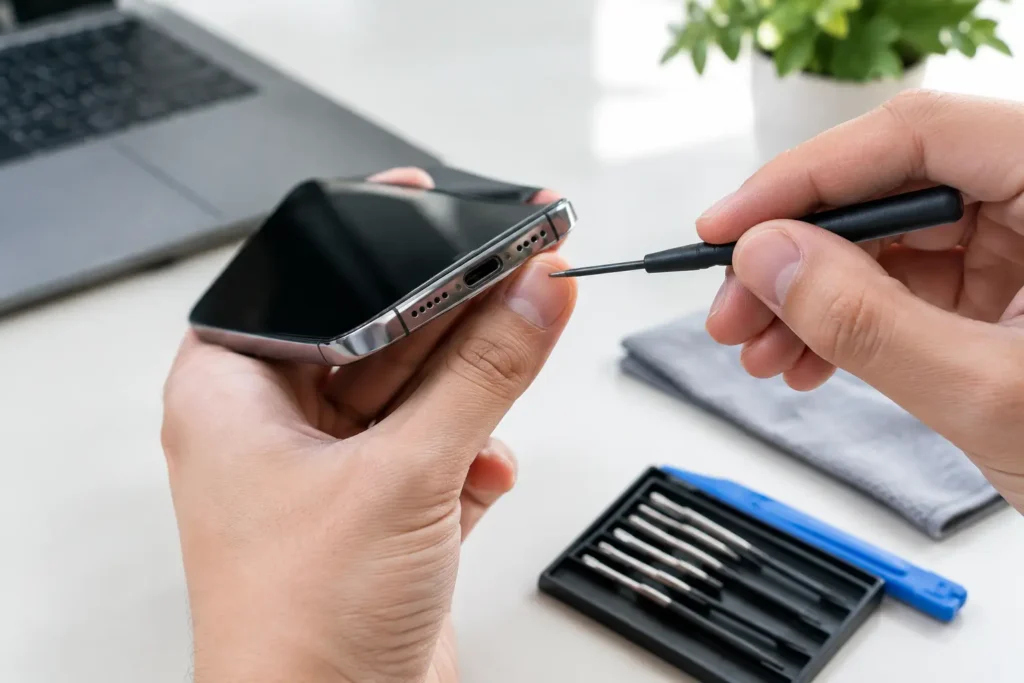
Also check the charging port for compacted dust and lint. Pocket fluff can prevent the connector from seating properly, making a perfectly good cable seem faulty. Never dig into the port with metal tools. If it needs cleaning, have it inspected properly.
Small settings changes that add up
Several features use more energy than people realise. Location services, push notifications, automatic downloads and background app refresh all have a place, but they should suit how you use the phone.
Review notification settings and silence alerts from apps that do not genuinely need your attention. Every wake-up lights the screen, triggers processing and distracts you. Disable automatic app updates over mobile data if you are often away from Wi-Fi, and consider downloading large updates when plugged in instead.
If you use a high refresh-rate display, such as 120Hz, setting it to a standard rate can stretch battery life. The trade-off is that scrolling will look slightly less fluid. Gamers may prefer the smoother setting, while someone who mainly messages, browses and calls may barely notice the change.
Live wallpapers, constantly updating widgets and background video can also add drain. You do not have to strip your phone back completely, but choosing a simple wallpaper and keeping only useful widgets is an easy compromise.
When settings are not the real problem
If battery percentage falls rapidly even after you have checked the obvious settings, the battery may be at the end of its usable life. Most phone batteries lose capacity gradually after hundreds of charge cycles. A device that once comfortably lasted all day may eventually need a top-up by mid-afternoon, even with light use.
On an iPhone, check Battery Health in Settings. A maximum capacity below 80% is a strong sign that replacement is worth considering, especially if the phone slows down, switches off unexpectedly or struggles in cold weather. Samsung and other Android phones may show battery diagnostics through their device-care tools, though the detail varies by model.
Watch for physical warning signs as well. A swelling battery can lift the screen, create a gap around the case or make the back panel bulge. Stop charging and using the phone if you notice this. Do not press the screen back down or attempt a home repair. A swollen battery needs prompt professional attention.
A battery replacement can be a far better value than replacing an otherwise reliable phone. It restores day-to-day usability, reduces charging anxiety and helps you get more life from the device you already know. At TechLab Repairs, we can assess battery concerns for local iPhone and Samsung owners and advise whether the issue is the battery, charging port or another power fault.
A few thoughtful changes can carry you through a busy day, but do not keep fighting a battery that is clearly worn out. If your phone is slow to charge, hot to use or running flat far too quickly, getting it checked early can save you from being caught out when you need it most.