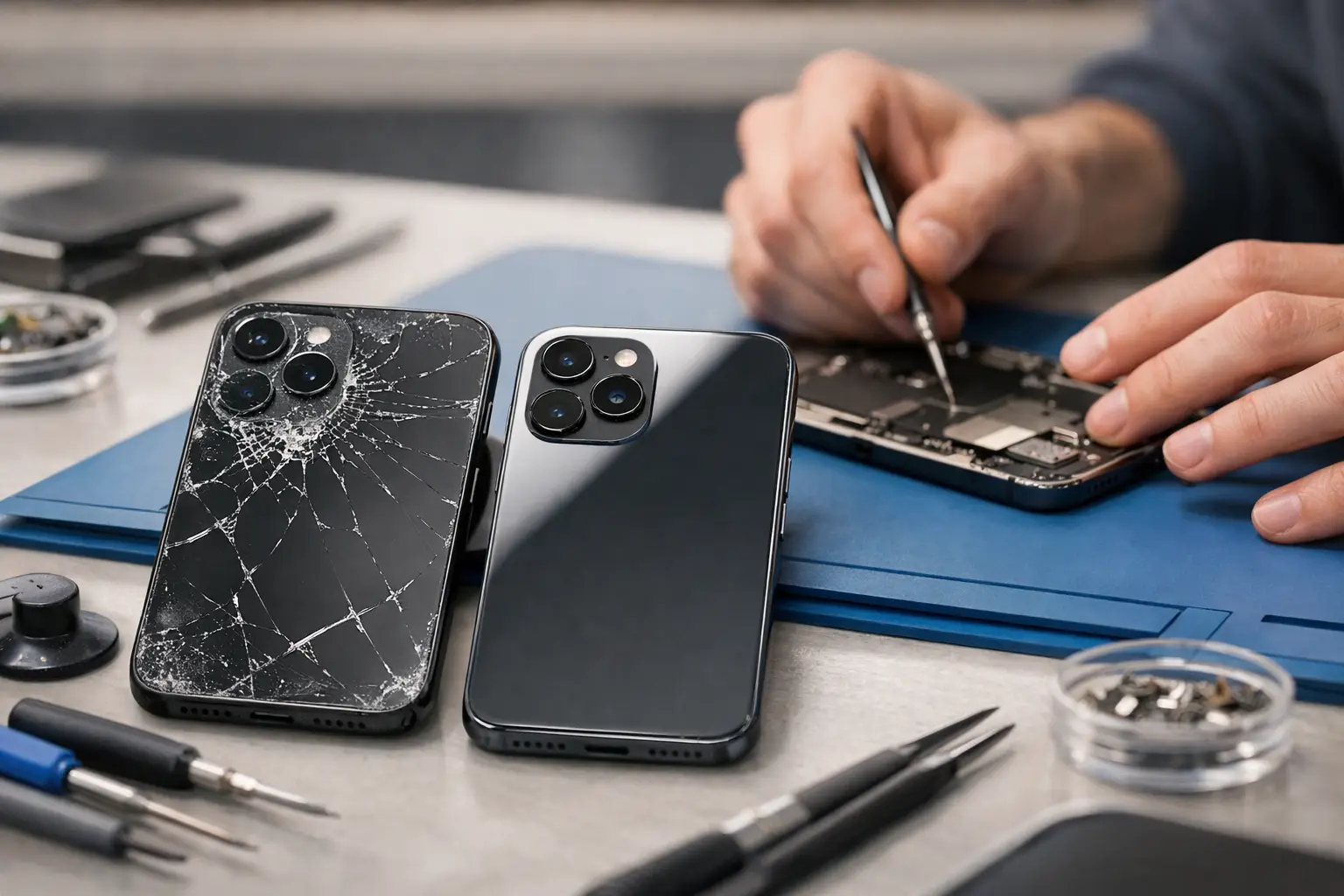
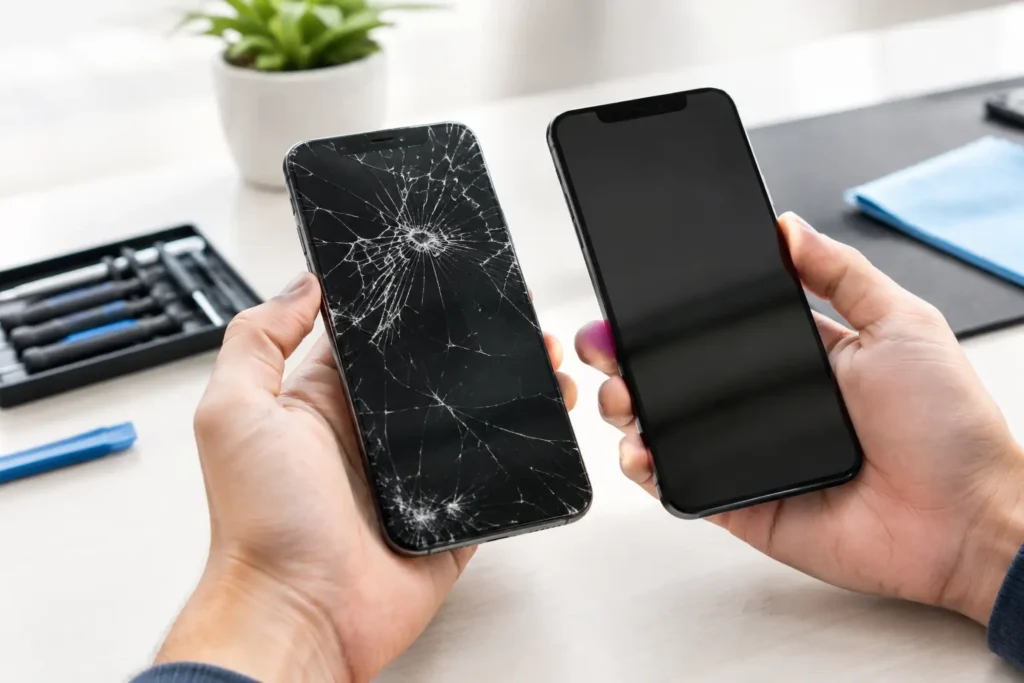
A shattered rear panel can make an otherwise perfectly usable phone feel like a write-off. The good news is that the iPhone back glass replacement cost is usually far less than buying another handset, particularly when the screen, cameras and internal components are still working properly. The exact price depends on your model, the extent of the damage and whether the impact has affected more than the glass.
For iPhone owners in Barrow-in-Furness, Furness, Cumbria and the Lake District, a local inspection is often the quickest way to get a clear answer. Back glass repairs are not all the same, and a sensible quote should account for the condition of the whole device, not just the crack you can see.
What does iPhone back glass replacement cost?
As a general guide, older models such as the iPhone 8, iPhone 8 Plus and iPhone SE generations with a glass rear can often be repaired for around £45 to £75. For iPhone X, XS, XR, 11, 12 and 13 models, prices commonly fall between £65 and £140, depending on the version and the repair method required.
Newer iPhones can vary more widely. Some models have a rear glass design that is more straightforward to remove, while Pro and Pro Max versions may involve more expensive parts or more careful work around the camera housing. A repair can therefore range from roughly £80 to £180 or more where the rear housing, camera lenses, wireless charging coil or frame are also damaged.
These figures are useful starting points, not a replacement for a proper diagnosis. A phone that has landed hard enough to crack the back may also have a bent frame, weakened camera lens, damaged charging coil or a battery that needs checking. The cheapest advertised price is not always the true cost if extra faults are found after the repair begins.
Why prices vary so much between iPhone models
Apple has used glass backs on iPhones for years to support wireless charging. That design looks smart and allows MagSafe compatibility on newer models, but it makes a drop more complicated than a simple cosmetic repair. On many iPhones, the back glass is strongly bonded to the frame and sits close to delicate components.
The model is the biggest factor. Larger phones need larger panels, while Pro models can have more complex camera cut-outs and tighter component layouts. The availability and quality of replacement parts also affects the price. A reputable repairer should fit a suitable, high-quality part and make clear what work is being carried out.
The type of damage matters just as much. A few hairline cracks on an otherwise straight housing may only require rear glass work. If pieces are missing, the metal frame is distorted or the camera surround is broken, replacing the complete rear housing can be the safer and more durable option. It costs more, but it can restore the phone’s structure rather than placing new glass onto a damaged foundation.
Glass-only repair versus rear housing replacement
A glass-only repair removes the broken panel while retaining the existing frame and internal parts. When suitable, it can be a cost-effective solution and keeps the repair focused on the damaged area. It is often the right choice where the frame is straight and the cameras, flash, charging function and wireless charging are all working as they should.
A rear housing replacement is a larger repair. Components such as the battery, logic board, cameras and charging assembly may need to be transferred into a new chassis. This takes longer and involves more labour, but it is often recommended if the housing has been crushed, badly bent or damaged around the camera lenses.
Neither option is automatically better. The right repair is the one that gives you a secure, reliable phone at a fair cost for its age and condition.
What should be checked before replacing the back glass?
A cracked back can expose sharp edges and allow dust or moisture closer to the internals, so it is worth dealing with sooner rather than later. Before any repair, a technician should check that the device powers on, charges correctly and responds normally to touch. They should also test the cameras, flash, microphone, speakers, buttons and wireless charging where applicable.
Particular attention should be paid to the camera area. A crack around a lens can look minor but may affect focus, create blurry photos or leave the lens more vulnerable to further damage. If the lens itself is cracked, it should be repaired at the same time rather than covered by a new back panel.
It is also sensible to look for signs of frame damage. If your iPhone rocks on a flat surface, has a visible gap around the screen, or no longer sits flush in its case, the impact may have affected more than the rear glass. Continuing to use it without checking could put pressure on the display or battery.
Is it worth repairing a cracked iPhone back?
For most people, yes. If the phone still meets your needs and has a healthy battery, replacing the back glass can be a much better value choice than upgrading early. This is especially true for relatively recent iPhones, where the processor, camera and software support still have plenty of life left.
Repair is less attractive when there are several major issues at once. An older handset with a damaged screen, weak battery, unreliable charging port and shattered rear housing may need a more honest cost comparison. In that situation, a technician can explain the work required so you can decide whether to repair, trade in or replace the device.
Do not base the decision on appearance alone. Broken glass can catch on pockets and fingers, reduce the protection offered by a case and make the phone more susceptible to moisture. A repair restores day-to-day comfort as well as the look of the device.
Beware of very cheap back glass repairs
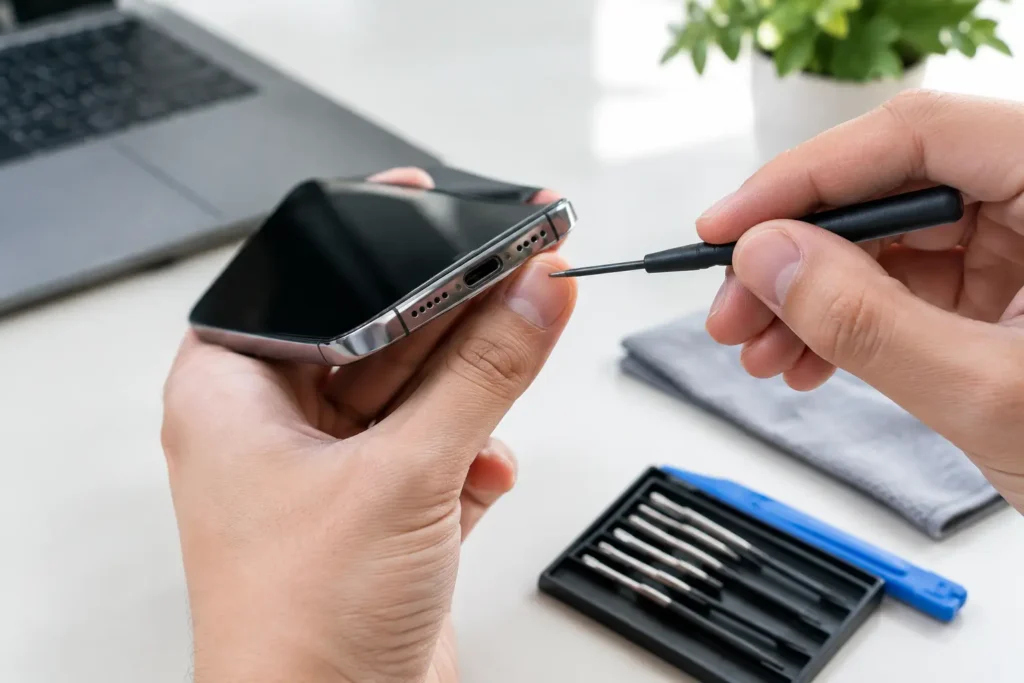
Low prices can be tempting when you need your phone back quickly. However, rear glass work requires controlled heat, specialist tools and careful handling around the battery, cameras and wireless charging components. Rushing the job can cause additional faults that were not there before.
Ask what is included in the quote. A clear repair service will tell you whether the price covers parts, fitting, removal of loose glass, testing and a workmanship guarantee. It should also explain if the quote could change only where hidden damage is discovered and approved by you first.
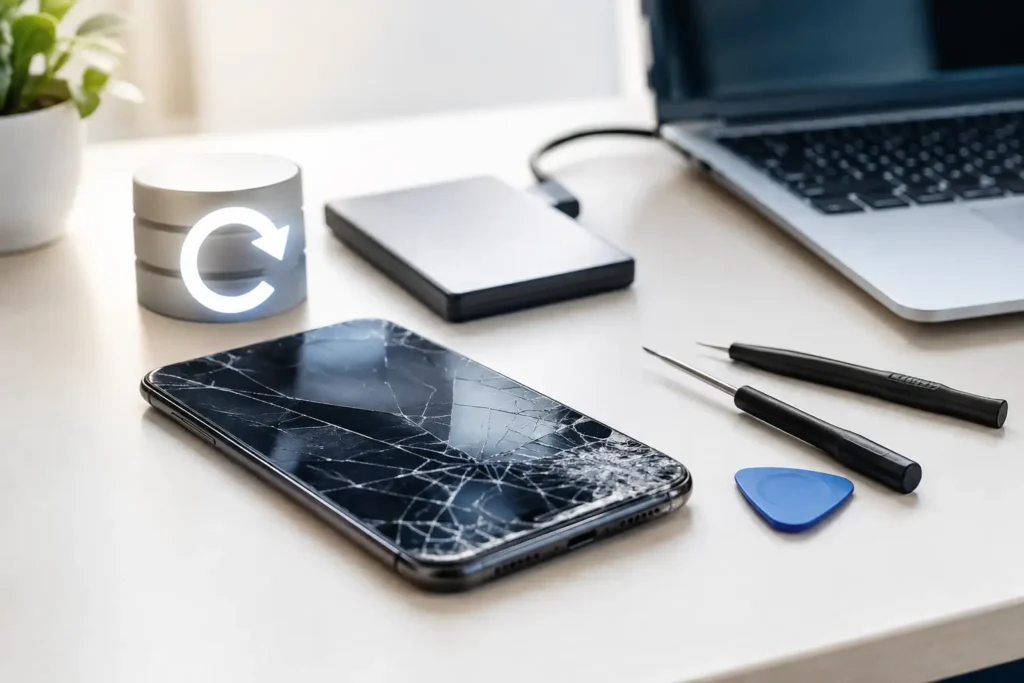
Data security matters too. A back glass repair does not normally require access to your personal photos, messages or accounts, but your device should always be handled responsibly. Backing up your iPhone before any repair is good practice, especially after a heavy drop.
How to keep the repair cost down
Once the glass has cracked, avoid peeling away loose sections or trying to glue them back yourself. Household adhesives can seep into camera openings, charging areas or button gaps, making a professional repair more difficult. Clear tape can temporarily cover sharp fragments, but it is not a long-term fix and should not block the camera or flash.
A decent protective case is the best next step after repair. Choose one with a raised edge around the camera bump and a lip that keeps the rear glass from directly hitting a table when the phone is placed down. A case cannot prevent every break, but it can make the difference between a scuff and a costly impact.
At TechLab Repairs, the focus is on giving customers a straightforward diagnosis and a repair option that makes sense for their handset. Don’t let broken glass slow you down or leave you guessing. If your iPhone has taken a knock, have the full device checked, get a clear quote and choose the repair that gets it safely back into everyday use.