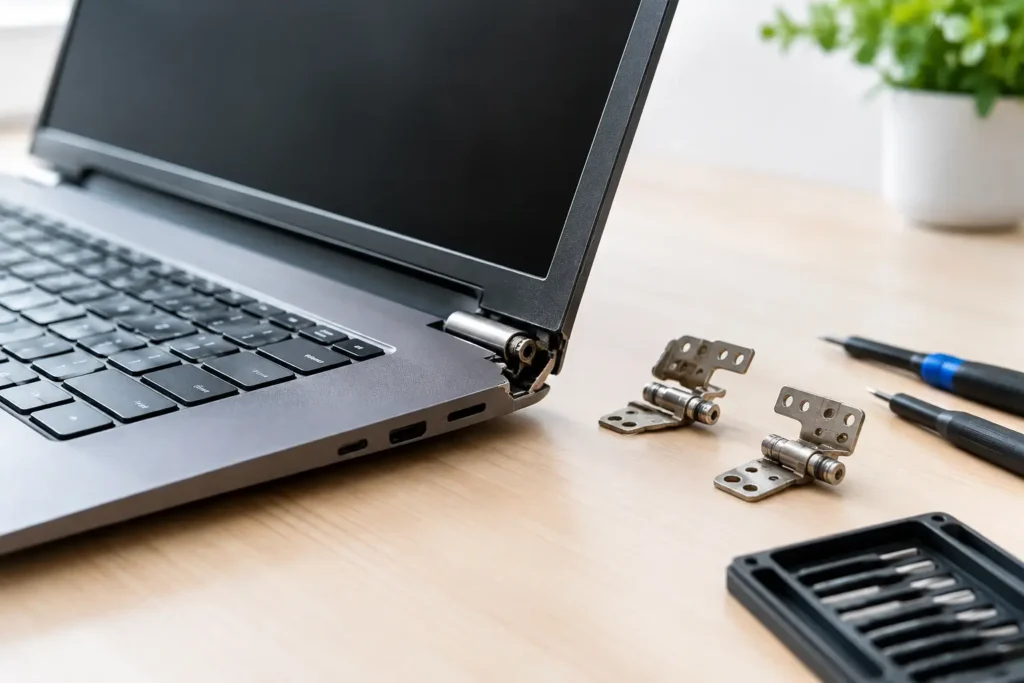
A Guide to Laptop Hinge Damage and Repair
Our guide to laptop hinge damage explains the warning signs, safe next steps and when a professional repair can protect your screen and data safely.

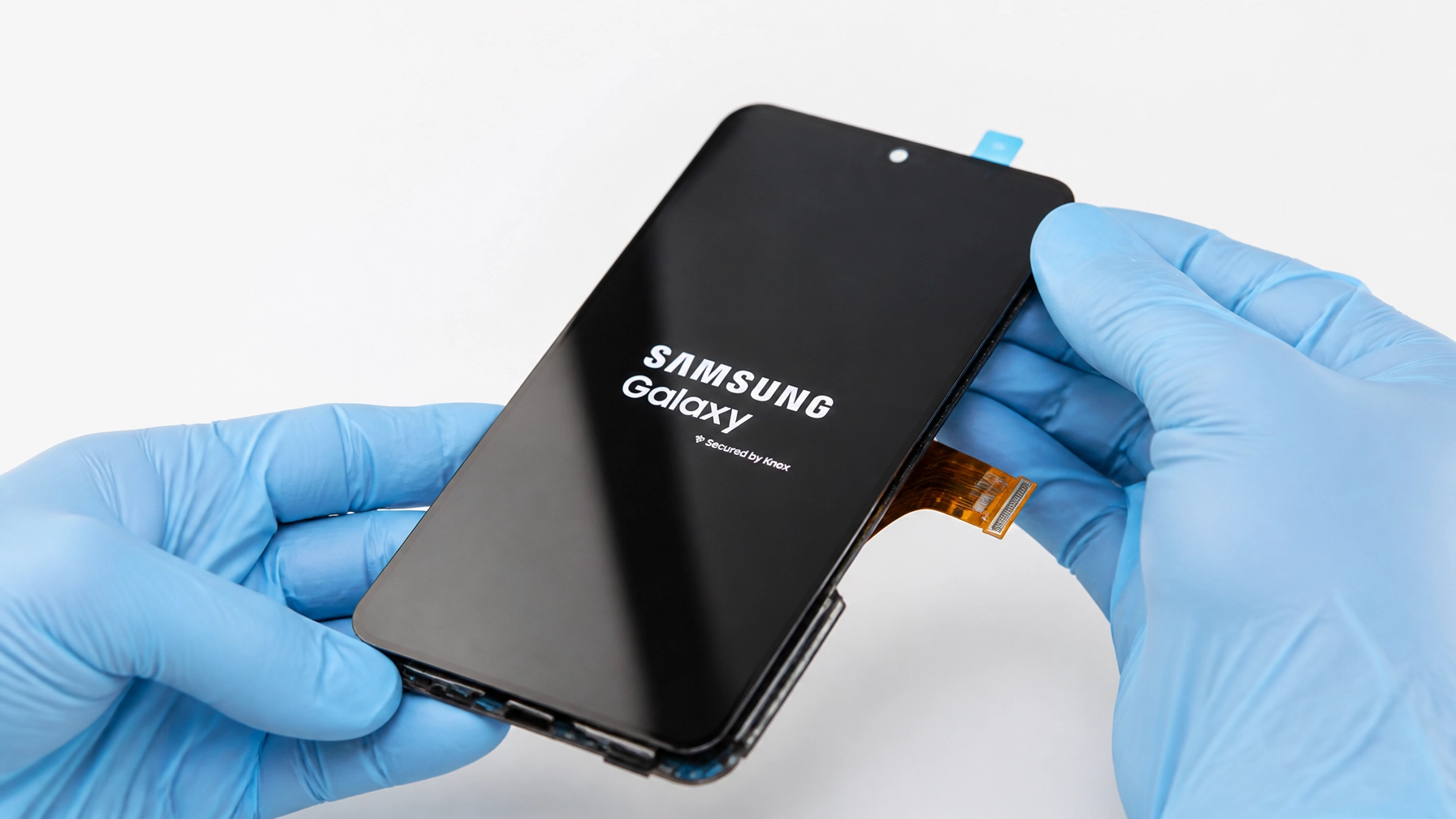
If you’ve just looked down to see a spiderweb of cracks across your Samsung Galaxy, the first thing you probably did was search for the repair cost. You likely found a massive range of prices: some shops quoting £90, others quoting £280.
The reason for that gap usually comes down to one choice: Premium OLED vs. Aftermarket LCD.
If you use your phone for work, photography, or daily tasks and plan to keep it for more than six months, go with the Premium OLED. It preserves your battery life, keeps your fingerprint sensor working, and maintains the vibrant colors Samsung is famous for.
If you are only looking to get your data off a broken device or need a "emergency fix" for an old phone you’re about to trade in, a Cheap Aftermarket LCD might save you some cash, but you will notice the drop in quality every time you turn the screen on.
Pricing for Samsung repairs is more varied than iPhone repairs because Samsung manufactures their own screens using high-end OLED technology. Here is a realistic look at what we are seeing for professional repairs this year:
| Model Range | Premium OLED Replacement | Aftermarket LCD (Budget) |
|---|---|---|
| Galaxy S24 / S23 / S22 | £180 – £320 | £90 – £160 |
| Galaxy A-Series (A54, A55) | £120 – £190 | £70 – £110 |
| Galaxy S-Ultra (S24 Ultra) | £280 – £380 | Rarely Available / Not Recommended |
| Galaxy Z Fold / Flip | £400+ | Not Recommended |
Prices include professional installation and parts. Local labour rates may vary.
It isn't just "brand name" markup. There is a fundamental difference in how these screens are built.
1. True Blacks vs. Grayish Glow
Samsung’s original screens use OLED (Organic Light Emitting Diode). Each pixel produces its own light. When a part of your screen is black, the pixels literally turn off. This is why Samsung displays look so crisp.
Aftermarket budget screens often use LCD (Liquid Crystal Display). These require a backlight that stays on all the time. Instead of "true black," you get a dark gray glow. If you’re used to the rich colors of a Galaxy S-series, an LCD replacement will look washed out and "cheap" immediately.

2. Battery Life Impact
Because LCD backlights are always on, they drain your battery significantly faster than an OLED. We’ve seen customers come back complaining about "battery issues" after getting a cheap screen elsewhere, only to realize the screen itself was the culprit.
3. The In-Display Fingerprint Sensor
This is the big one. Most modern Samsungs have a fingerprint sensor hidden under the glass. Many cheap aftermarket screens are too thick or use materials that prevent the sensor from reading your print. If you value your security and convenience, the premium part is the only way to ensure your biometric unlock still works.
When you see a price that looks too good to be true, it’s usually because the part was built with lower tolerances. In our lab, we see the aftermath of "budget" repairs every day. Here are the most common frustrations:
We believe in being honest with our customers. If you’re holding a Galaxy S10 or an older A-series phone that’s worth less than £150 on the used market, spending £130 on a premium screen might not make financial sense.
However, for anything from the Galaxy S21 series and newer, a screen repair is almost always more cost-effective than buying a brand-new £900 device. By choosing a high-quality repair, you’re extending the life of your tech and keeping a perfectly good phone out of a landfill.

At Tech Lab Repairs, we’ve built our reputation on doing the job right the first time. We know you rely on your phone for work, family, and everything in between.
If you are a busy professional or a student, your phone is a tool. You wouldn't put budget tires on a high-performance car, and the same logic applies to your smartphone. The extra £50–£100 you spend on a premium screen pays for itself in reliability, battery life, and the sheer frustration you avoid by not dealing with a faulty "budget" part.
Not sure which screen your specific model needs?
Drop by our shop or give us a call. We’ll give you a straight-up quote and tell you exactly what we recommend based on how you use your phone. We’re here to help you get back to your day with a phone that works exactly like it did the day you bought it.
Our guide to laptop hinge damage explains the warning signs, safe next steps and when a professional repair can protect your screen and data safely.
Choose a data secure repair service in Barrow-in-Furness that protects your photos, accounts and work files while fixing the device you rely on every day

Our business device support guide helps Cumbria teams reduce downtime, protect data and choose fast, dependable repairs for essential daily work devices.
Need a MacBook repair service in Barrow-in-Furness or Cumbria? Get clear fault diagnosis, secure data handling and practical repairs to keep work moving.
Can data be recovered safely after a phone, laptop or tablet fails? What to do first, what to avoid, and when professional recovery can help save files.
Need an iphone screen replacement in Barrow-in-Furness or Cumbria? Learn what affects cost, quality and turnaround, and protect your phone after repair.
Choosing macbook repair versus apple store? Compare cost, turnaround, data care and repair options for Mac users across Cumbria and the Lake District.
Learn how to fix charging port issues safely, spot the cause, protect your data and decide when professional repair is the smarter choice for your device.
What causes iPhone battery drain? Learn how settings, apps, signal and battery age affect power, plus when a repair can help restore daily reliability.
Corporate device repairs that reduce downtime, protect business data and keep your staff’s phones, laptops and tablets ready for work across Cumbria now.