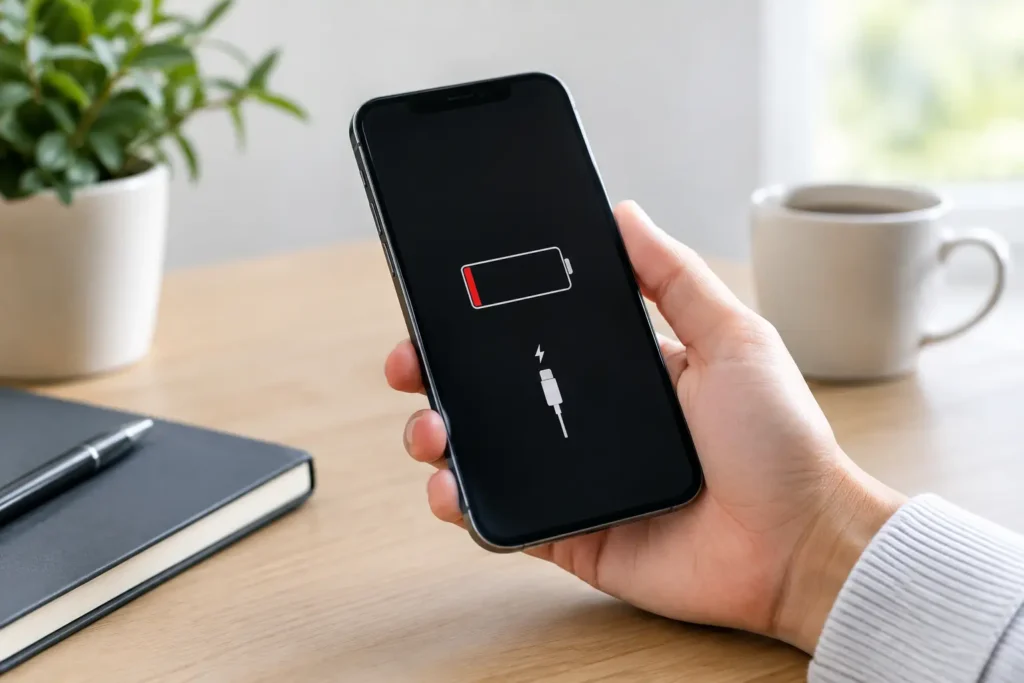
A cracked iPhone screen, failing laptop battery or console that will not power on can make warranty wording feel like a second problem. Understanding repair warranty versus manufacturer warranty helps you decide whether to contact the brand, return to the repairer or use your consumer rights – without losing time while the device you rely on sits unusable.
The short version is that a manufacturer warranty usually relates to faults in the original product, while a repair warranty relates to the specific work and parts supplied during a repair. They can overlap, but they are not the same promise. The details matter, especially when a device is still within its original cover period or has already been repaired elsewhere.
Repair Warranty Versus Manufacturer Warranty: The Difference
A manufacturer warranty is a voluntary guarantee offered by the company that made the device. Apple, Samsung, Dell, Sony and other brands set their own terms, length of cover and claims process. It commonly covers manufacturing defects and hardware failures that arise through normal use within a stated period.
For example, if a phone’s battery is defective shortly after purchase despite being used normally, or a laptop develops a fault caused by a component failure, the manufacturer warranty may apply. You will usually need proof of purchase, the device serial number and, in some cases, a diagnostic check before the claim is approved.
A repair warranty comes from the business that carried out the repair. It covers the workmanship and the replacement part fitted during that repair, for the period stated by that repairer. If a newly fitted screen develops a fault, a replacement battery fails prematurely or the original issue returns because of the repair work, the repair warranty is the cover that matters.
It does not usually cover a different fault that develops later. If you have a charging port repaired and then drop the phone, damaging the screen, the charging-port repair warranty will not cover the impact damage. Likewise, a warranty on a replacement HDMI port will not fix a separate power supply issue on a games console.
What a Manufacturer Warranty Usually Covers
Manufacturer cover is designed to address defects that were present when the device was made, or that occur because a component has failed under normal conditions. The exact definition of normal use varies by brand, so it is worth reading the terms rather than relying on assumptions.
Most manufacturer warranties are likely to exclude accidental damage, liquid damage, cosmetic wear, unauthorised modifications, loss or theft, and faults caused by misuse. A broken screen after a drop is rarely a manufacturer-warranty claim. Nor is a MacBook that has suffered a drink spill, even if it was working perfectly beforehand.
Some manufacturers offer extended plans or accidental-damage cover for an extra charge. These can be useful for people with high-value devices, but there may still be an excess to pay and a limit on the number of claims. A warranty is not always the same as insurance.
Manufacturer repairs can also involve sending a device away or booking through an authorised service route. That is sometimes the best choice, particularly for a device with a confirmed manufacturing defect, a complex issue covered by the brand, or a product with valuable original cover remaining. The trade-off is often turnaround time and convenience.
What a Repair Warranty Should Cover
A good repair warranty gives you confidence that the repairer stands behind their work. Before agreeing to any repair, ask how long the warranty lasts, whether it covers both parts and labour, and what you need to do if the same issue returns.
For a straightforward screen replacement, the warranty normally applies if the supplied screen itself develops a defect or if there is an issue connected directly to the fitting. It will not normally apply if the phone is later dropped, bent, exposed to liquid or damaged by another repair attempt. The same principle applies to batteries, charging ports, cameras, speakers, laptop keyboards and console HDMI ports.
There are a few situations where the answer is less clear-cut. Liquid-damaged devices can have corrosion or component faults that are not visible during the first inspection. A repairer may successfully restore power or replace a damaged part, but another weakened component can fail later. In those cases, a repair warranty should cover the repaired work, not every future fault caused by the original liquid exposure.
At TechLab Repairs, the aim is to explain that distinction clearly before work begins. No one wants a surprise after collecting their device, particularly when it contains work files, family photos or schoolwork.
Will a Third-Party Repair Void Your Manufacturer Warranty?
This is one of the most common concerns, and the honest answer is: it depends on the device, the manufacturer terms and the fault being claimed.
A manufacturer should not be able to reject every future claim simply because an independent repair has taken place. However, it may refuse to cover damage or a fault that it can reasonably link to a non-manufacturer part or previous repair. If a third-party screen fitting causes damage to a handset’s display connector, for instance, the manufacturer may decline to repair that related issue under its warranty.
Some brands may also refuse to work on a device with non-genuine components, modified software or signs of previous repair until those issues are resolved. For devices still covered by a valuable manufacturer plan, ask the repairer what the proposed work could mean for that cover before proceeding.
This does not mean an independent repair is automatically the wrong choice. For accidental damage outside the manufacturer warranty, a local repair can be faster and more affordable than an official route. The key is making a decision with the full picture: the age of the device, the remaining manufacturer cover, the type of fault, repair cost and how urgently you need it back.
Your Consumer Rights Still Matter
A warranty is an additional promise. It does not remove your legal rights when you buy goods from a retailer.
Under the Consumer Rights Act 2015, goods sold to consumers must be of satisfactory quality, fit for purpose and as described. If a product develops a fault, your rights are generally against the retailer that sold it to you, rather than the manufacturer. How a claim is handled can depend on when the fault appeared and the evidence available.
That distinction is useful when a manufacturer warranty has expired but the device has failed unusually early. A premium laptop or television is expected to last a reasonable time when properly used. You may still have options with the retailer, although you may need to show that the issue was an inherent fault rather than wear, damage or misuse.
For repair services, you also have rights. Work should be carried out with reasonable care and skill, within a reasonable time and for a reasonable price where no price was agreed in advance. Keep your receipt, diagnostic notes and any written warranty terms. They make it much easier to resolve a problem fairly if one arises.
How to Choose the Right Route for a Fault
Start by identifying what happened. A sudden fault with no drop, liquid exposure or visible damage may be suitable for a manufacturer or retailer claim, particularly if the device is relatively new. A smashed screen, worn battery, damaged charging port or broken console HDMI socket is more likely to need a paid repair.
Then check the terms rather than guessing. Look at the original purchase date, any extended cover, the repair warranty if work was already carried out, and any exclusions that could apply. Take clear photos of physical damage before handing the device over, and back up your data if it still powers on.
For a repair, make sure you understand four practical points:
- what fault is being repaired;
- which part will be used and whether options are available;
- how long the repair warranty lasts; and
- what is excluded, including new accidental damage or unrelated faults.
For businesses and schools, this clarity is even more valuable. A laptop that returns with the same fault can interrupt lessons, staff work and customer service. Keep an asset record with serial numbers, repair dates, fault descriptions and warranty periods so repeat issues can be spotted quickly.
Do Not Let Warranty Confusion Delay the Fix
The best route is not always the cheapest one or the most official-looking one. A manufacturer claim can be sensible for an eligible defect. A quality local repair can be the practical answer when damage is not covered, time matters or replacing the device would cost far more than fixing it.
Ask direct questions, keep your paperwork and choose a repairer that explains what it can stand behind. That way, whether the problem is a flickering phone display, a MacBook power fault or a console with no picture, you can get it sorted with realistic expectations and far less stress.