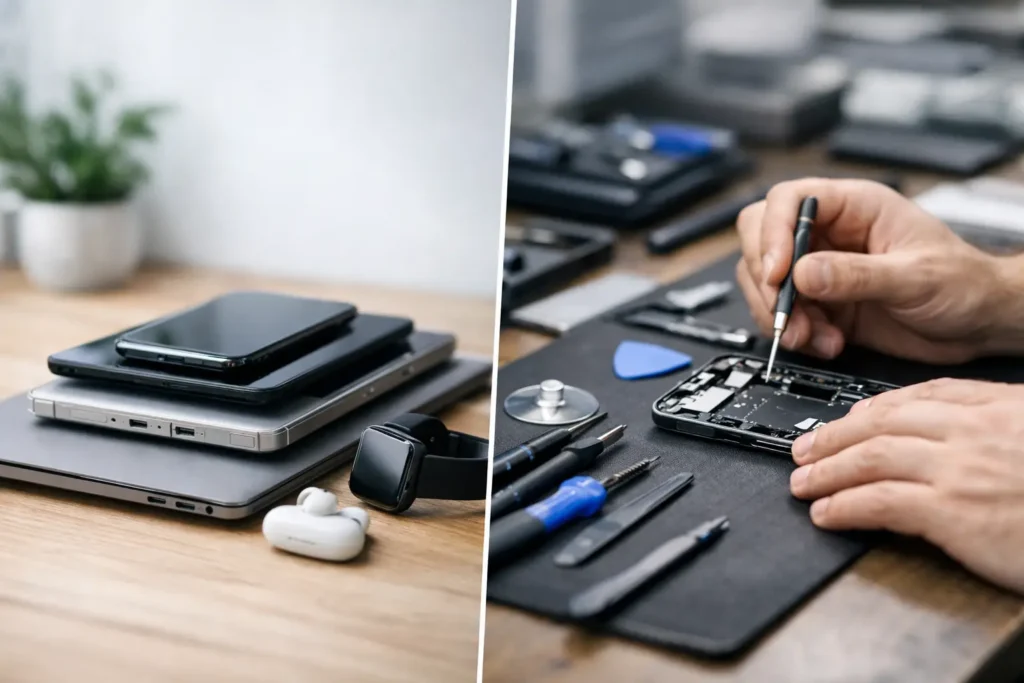
A phone with a cracked screen used to feel like the start of a shopping trip. Now, for many people and organisations, it is more likely the start of a repair, a refurbishment, and a second life for a device that still has plenty left to give. That shift says a lot about the future of device refurbishment. It is no longer a niche option for bargain hunters. It is becoming a practical, mainstream choice for households, schools and businesses that want value, speed and less waste.
What is changing is not just customer attitude. The devices themselves, the parts market, data expectations, and the pressure on budgets are all pushing refurbishment into a more professional and more essential role. If you rely on your phone for work, your laptop for study, or a fleet of tablets for your business, replacement is not always the smartest answer.
Why the future of device refurbishment matters now
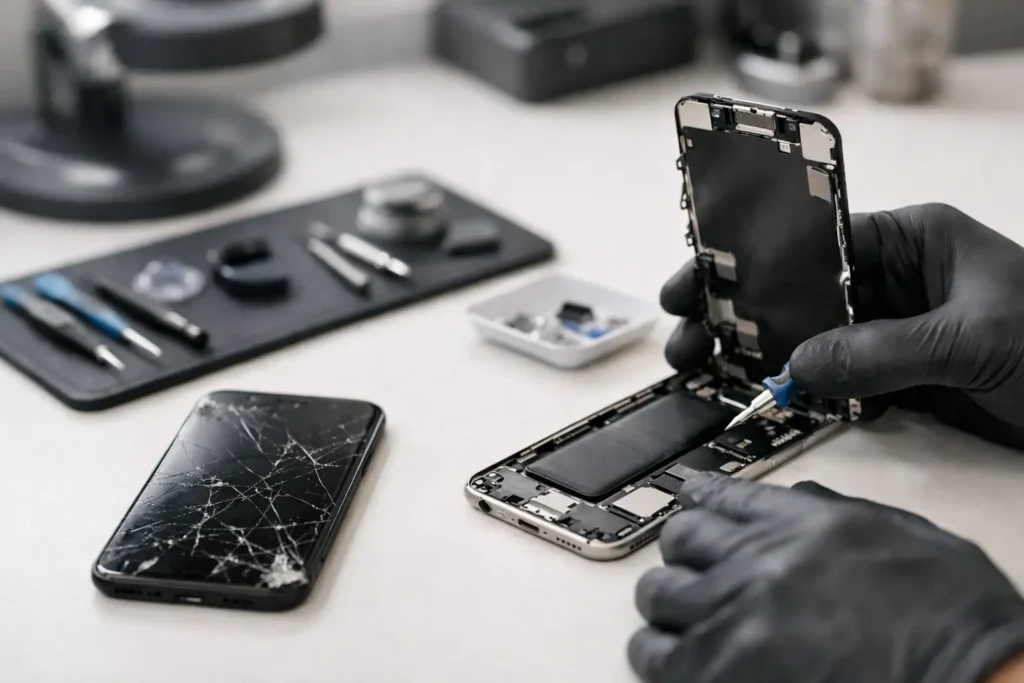
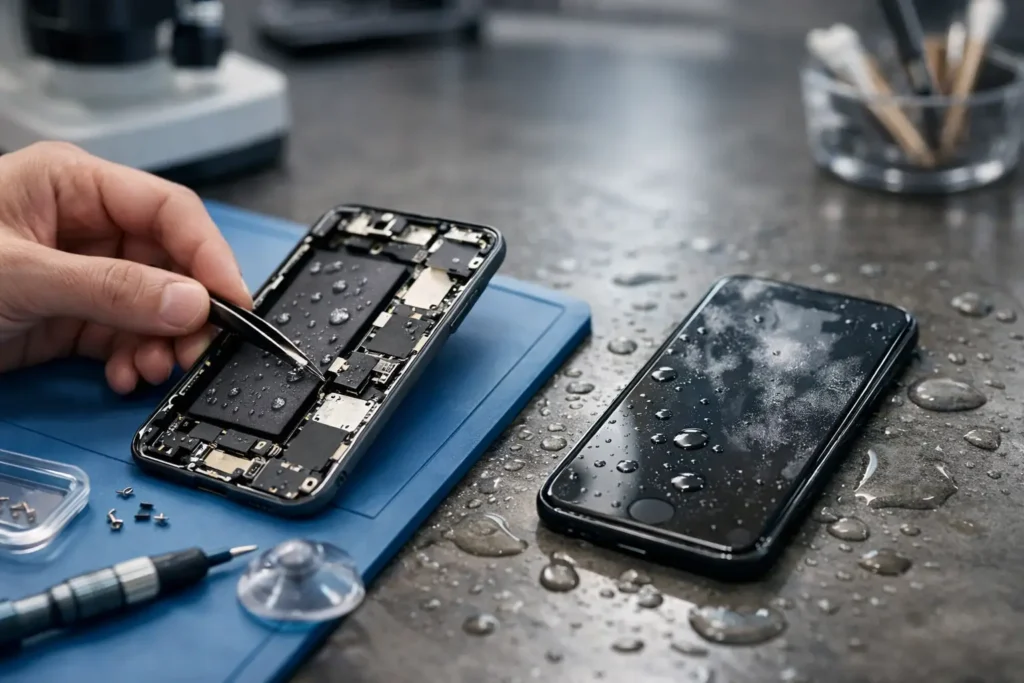
The biggest driver is simple: modern devices are expensive, and many faults are fixable. A worn battery, damaged charging port, cracked screen or failed HDMI socket can make a device feel finished when it is not. Refurbishment gives people another option between living with the fault and paying for a brand-new model.
That matters even more in areas where convenience counts. Sending devices away to a manufacturer can mean days or weeks without the tech you use every day. A local refurbishment and repair specialist can often shorten that gap dramatically. For a family with one shared tablet, a student with coursework due, or a business with staff depending on laptops, downtime costs more than most people realise.
There is also the environmental side. People are increasingly aware that replacing a device every time something goes wrong is wasteful. Refurbishment extends the useful life of electronics and reduces unnecessary disposal. That does not mean every device should be saved at any cost. Sometimes the repair bill, the age of the hardware and the likely future performance make replacement the better call. But the default decision is changing. More customers now ask, quite reasonably, whether the device can be made reliable again first.
The future of device refurbishment will be more technical
Refurbishment used to be seen as cosmetic work plus a quick parts swap. That picture is out of date. The future is more technical, more precise and more dependent on specialist diagnosis.
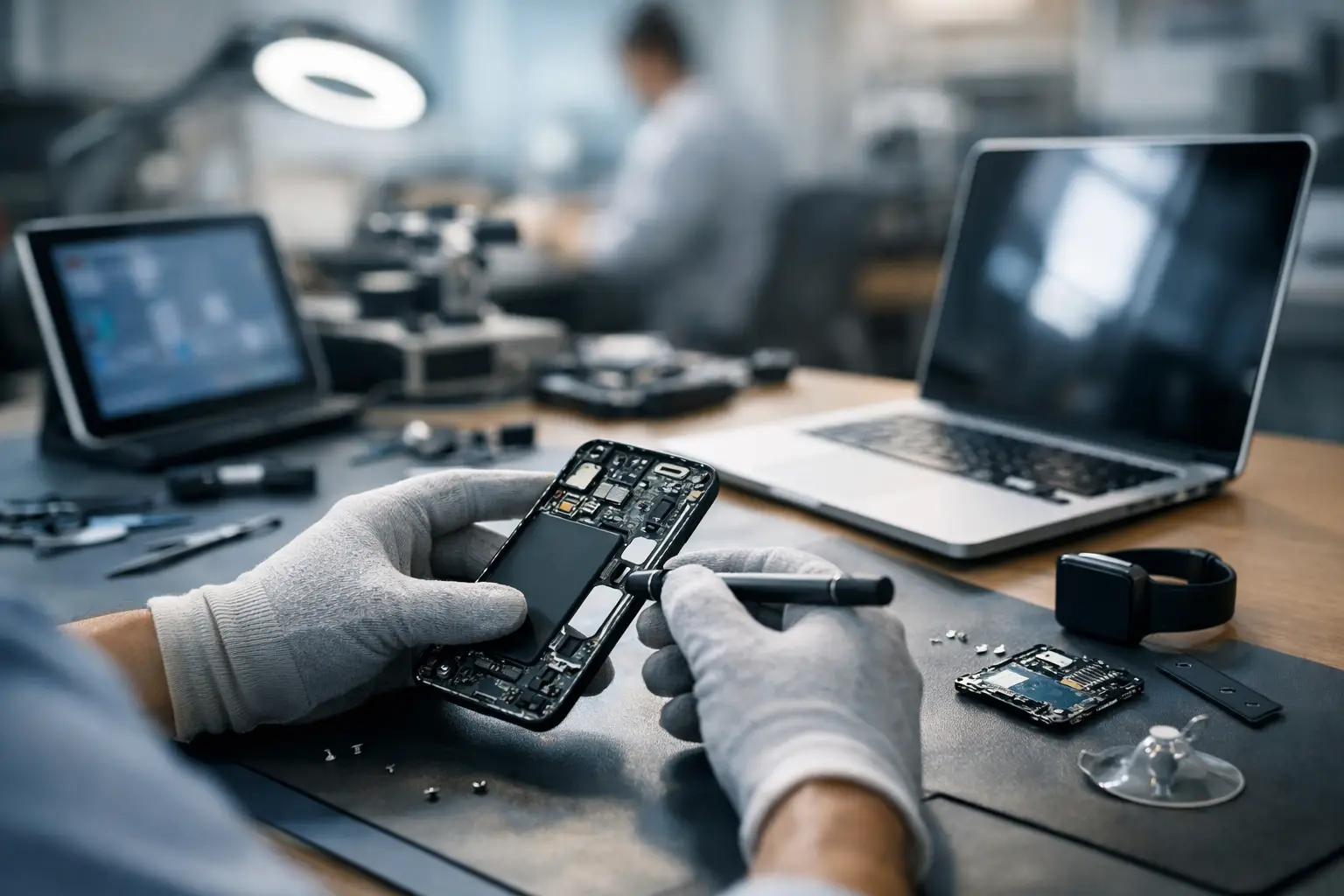
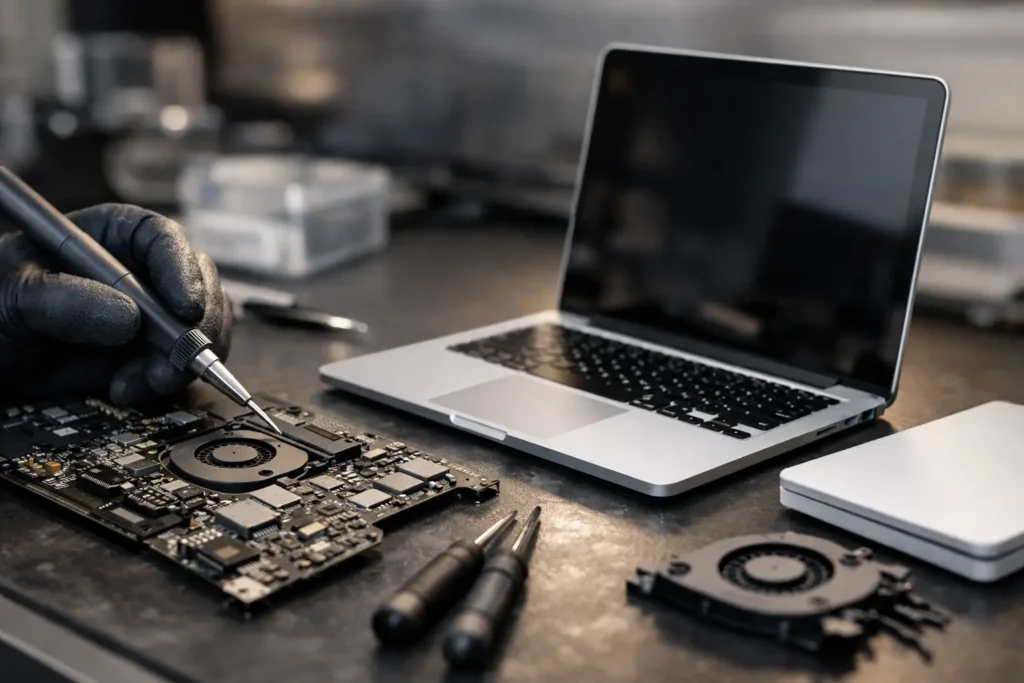
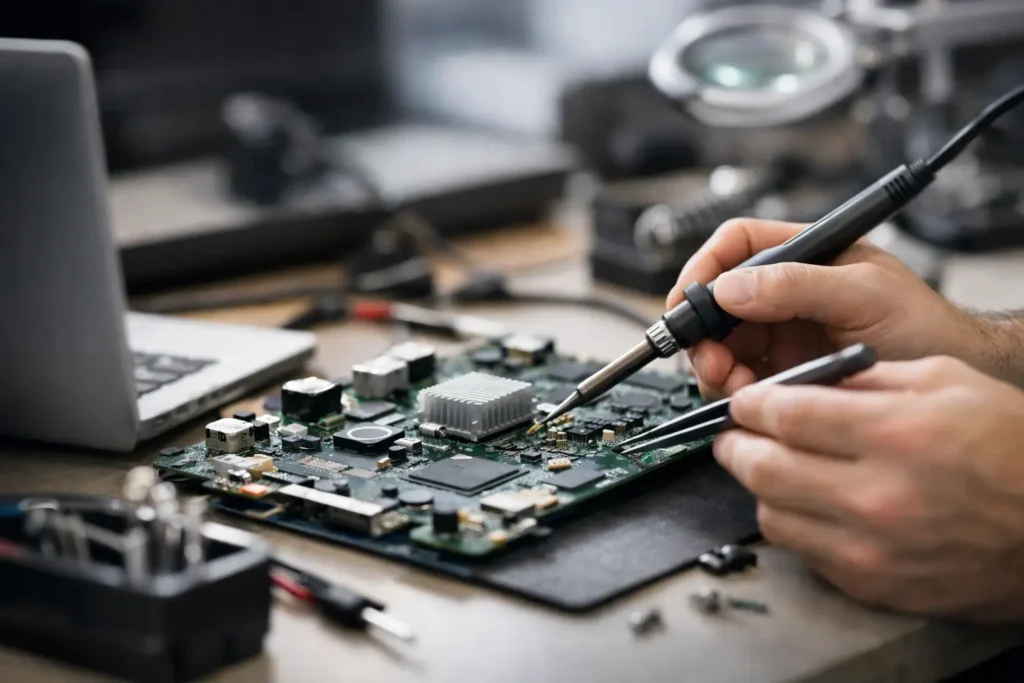
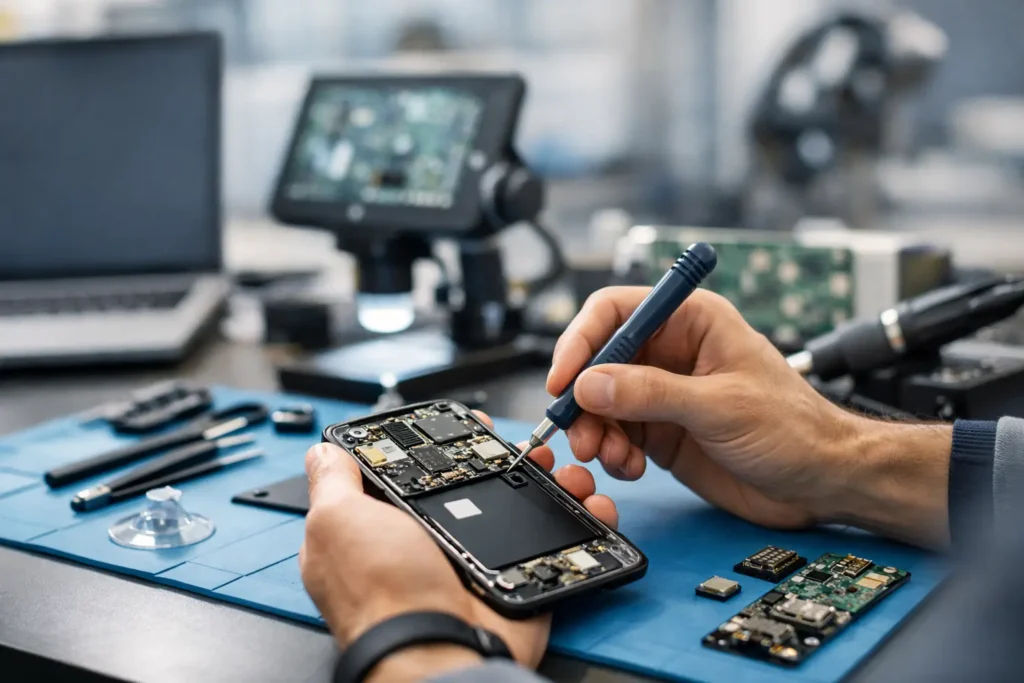
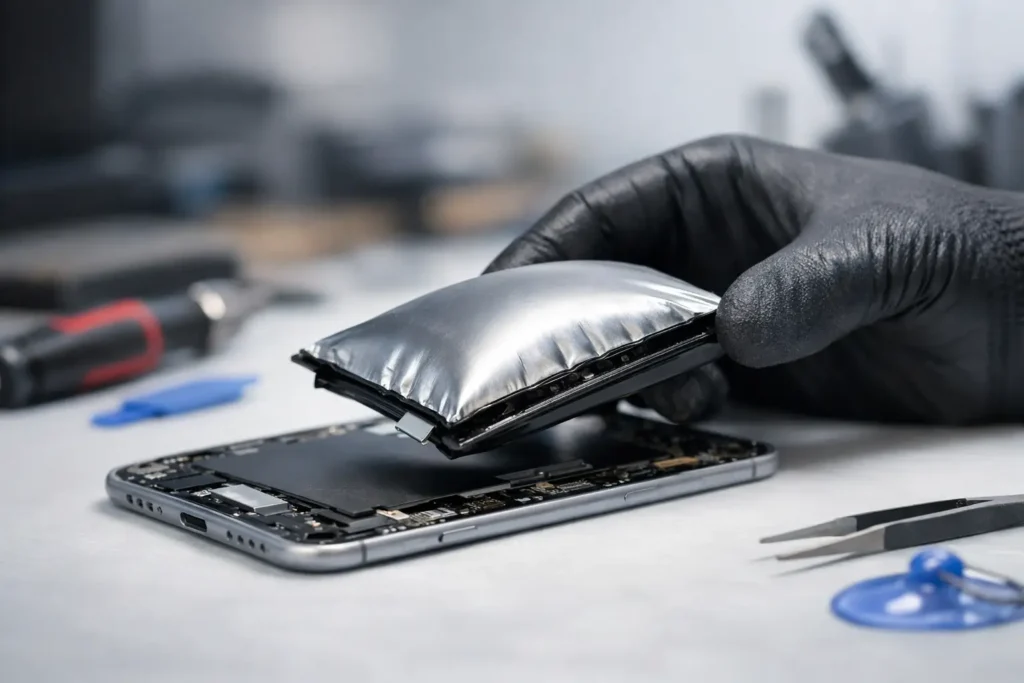
Newer phones, tablets and laptops pack more into smaller spaces. Batteries are glued in. Boards are denser. Face ID systems, fingerprint readers, cameras and charging circuits are more integrated than they were a few years ago. That means proper refurbishment increasingly depends on skilled board-level work, accurate fault tracing and experience with model-specific issues.
For customers, this is good news and a warning. The good news is that more faults can be resolved than many people assume. The warning is that quality matters far more than the cheapest quote. A poor-quality repair can create fresh faults, weaken water resistance, reduce battery life or put data at risk. As refurbishment grows, the gap between trained specialists and corner-cutting operators will become more obvious.
Parts quality will shape trust
One of the biggest questions in refurbishment is parts. Not all replacement components are equal, and customers are becoming more aware of that. In the years ahead, the businesses that earn long-term trust will be the ones that are clear about what parts they use, what performance customers can expect, and what guarantee backs the work.
This is especially important for screens and batteries. A low-grade screen might work, but with poorer brightness, touch response or colour accuracy. A low-grade battery might hold less charge or age faster. On the other hand, not every device needs the most premium option available. Sometimes a cost-conscious repair makes sense, especially for an older handset used as a spare phone or a school device that simply needs to be functional and dependable.
That is where honest advice matters. The future of device refurbishment is not about pushing one answer for every job. It is about matching the repair approach to the device, the budget and the way it is used.
Refurbishment is moving from reactive to planned
For individual customers, refurbishment often starts with an accident. A drop, a spill, a battery that suddenly gives up. For businesses and schools, the future looks a bit different. Refurbishment is becoming part of planned device management rather than something done only when things go wrong.
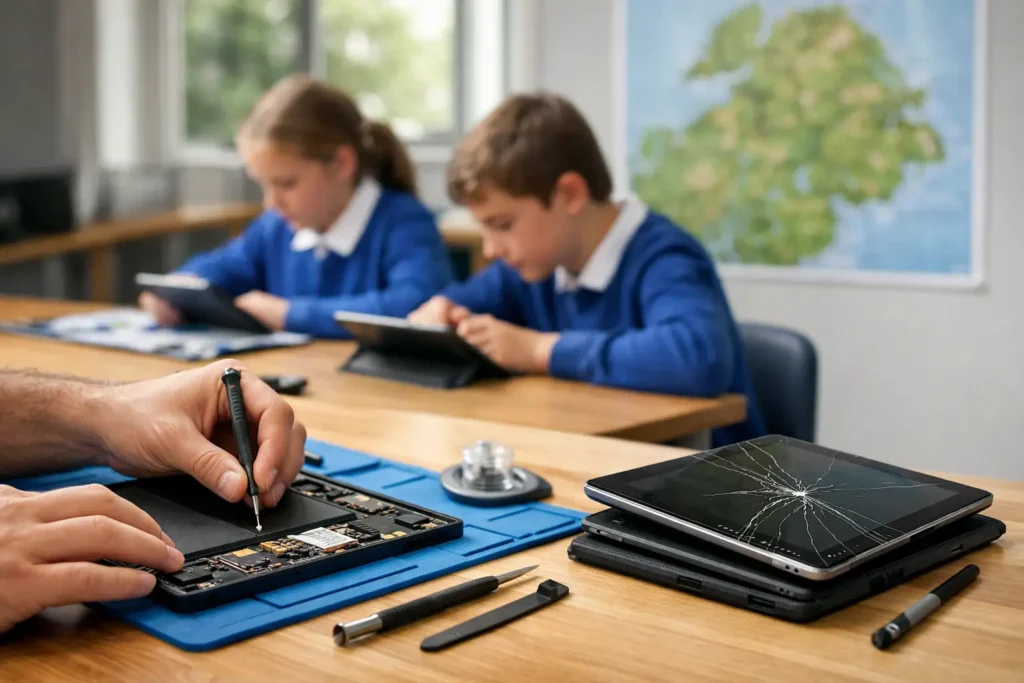
If an organisation has twenty iPads, thirty laptops or a stack of staff phones, replacing everything on a fixed cycle is expensive. Planned refurbishment can stretch budgets further. Batteries can be renewed before they become a major problem. Ports can be repaired before devices are written off. Older hardware can be cleaned up, tested, and reassigned for lighter duties.
That creates a more sensible lifecycle. Premium devices stay in service longer, and institutions get more return from the hardware they already own. It also supports consistency. Staff and students keep using familiar devices rather than having to adjust to constant replacements.
Data security will become a deciding factor
As refurbishment becomes more common, customers will ask tougher questions about privacy and data handling. They should. Phones, tablets and computers are not just bits of hardware. They carry messages, banking apps, photos, schoolwork, customer records and business files.
The future of device refurbishment will favour repair providers that treat security as part of the service, not a box-ticking exercise. That means careful intake processes, clear communication, secure handling during testing and repair, and sensible advice on backups and access codes. For business and education clients, it can also mean formal processes around asset tracking and device return.
This is one reason local specialist support remains attractive. Customers often feel more confident dealing face to face with a trusted team than boxing up a device and sending it off. Convenience matters, but reassurance matters too.
Refurbished devices will become more accepted
There is a difference between repairing your own device and buying a refurbished one, but the two markets support each other. As refurbishment standards improve, more people will become comfortable buying professionally restored phones, tablets and laptops.
That is likely to grow demand across the whole sector. A customer who trusts refurbished stock is also more likely to see repair as worthwhile. A business that refurbishes its outgoing devices for resale or redeployment starts to view technology less as disposable kit and more as an asset that can be maintained.
There are limits, of course. Very old devices may no longer receive security updates. Some entry-level products are built in ways that make economical refurbishment difficult. And if a device has suffered severe board damage or multiple failed repairs elsewhere, the maths may not stack up. But the direction is clear. Refurbishment is becoming part of normal device ownership.
Local repair expertise will matter more, not less
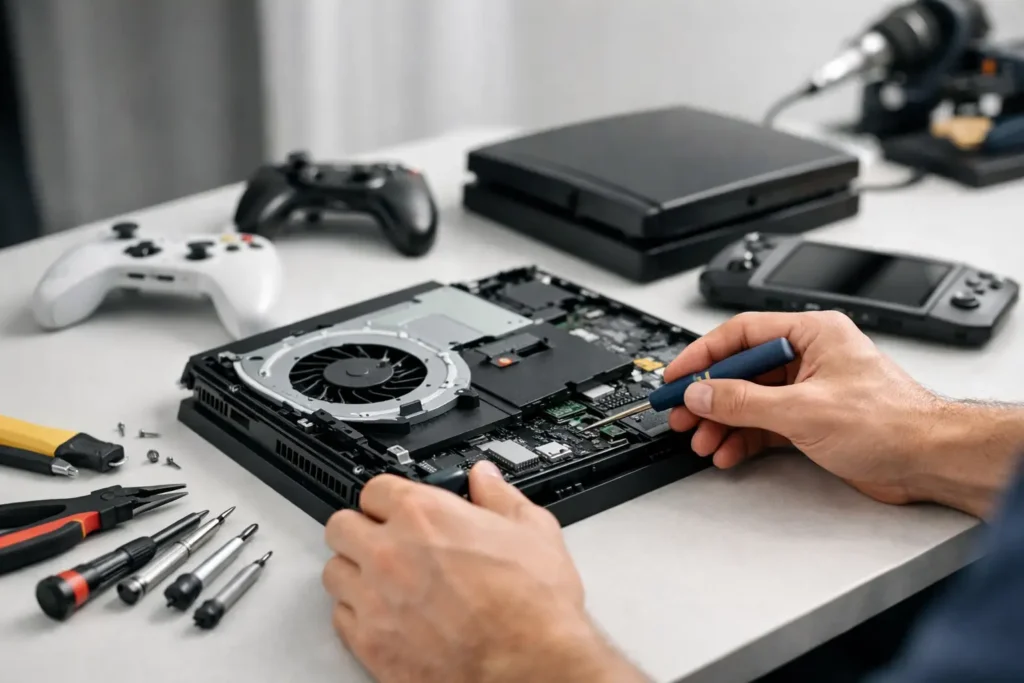
You might think the future will be dominated by large national chains and postal services. In practice, local expertise still solves a lot of the real-world problems people face. When your phone will not charge, your console will not display through HDMI, or your MacBook has liquid damage, most customers want a straight answer quickly.
That is where experienced independent specialists have an edge. They can diagnose faults properly, explain the options in plain English, and often turn work around faster than a remote service model. For people across Barrow, Cumbria and the Lake District, that local availability can be the difference between getting back online tomorrow and being stuck without a device for a week.
At TechLab Repairs, that is exactly why refurbishment and repair continue to matter. Customers do not just want a technical fix. They want the confidence that somebody nearby can sort the problem properly and treat their device with care.
What customers should expect from the next stage
Over the next few years, refurbishment will likely become more standardised, more transparent and more specialised. Customers should expect clearer grading, better testing, stronger guarantees and more honest guidance on whether a repair is worthwhile. They should also expect repair providers to support a wider range of devices, from the latest handsets to older laptops and games consoles that still have life left in them.
The best refurbishment services will not promise miracles. They will explain trade-offs. They will tell you when a battery replacement makes sense, when liquid damage repair is worth trying, and when replacement is the better financial decision. That sort of straight talking builds trust, and trust is what will define the strongest businesses in this space.
A broken device does not always need replacing, and an ageing one is not always finished. More often, it needs the right diagnosis, the right parts and the right hands on the job. That is where the future is heading – not towards disposable tech, but towards smarter ways to keep good devices working for longer.