When your mobile phone stops charging, your laptop won’t power on, or your games console suddenly loses HDMI output, the same question comes up fast – should you choose a repair shop or manufacturer service? It sounds simple, but the right answer depends on the fault, the age of the device, how quickly you need it back, and whether you can afford to be without it for days or even weeks.
For most people, the decision is less about brand loyalty and more about real-life disruption. Your mobile phone is your camera, sat nav, banking app and contact list. Your laptop might hold coursework, business files or family photos. A broken device is not a minor inconvenience. It gets in the way of work, school and everyday life. That is why it helps to understand what each option is actually good at, rather than assuming the manufacturer is always best.
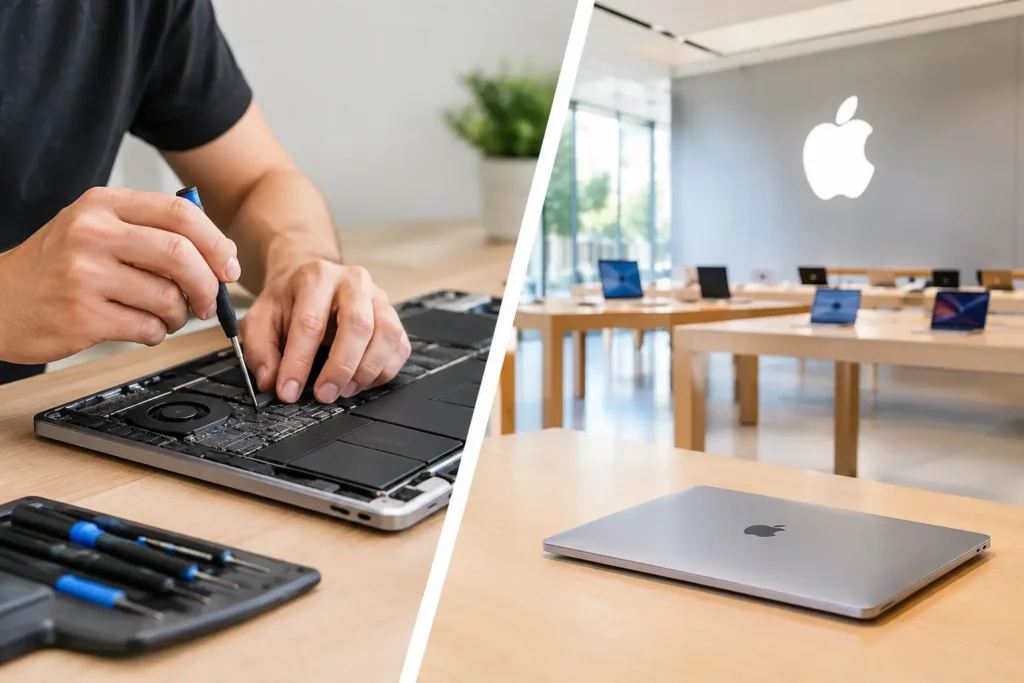
Repair shop or manufacturer service – what is the difference?
A manufacturer service is usually the official route offered by the brand that made the device. That can mean an in-house repair centre, a postal repair process, or an authorised partner following the manufacturer’s procedures. In some cases, the repair is straightforward and heavily standardised, especially for newer devices still under warranty.
A local repair shop is different. It is built around diagnosis, practical problem-solving and speed. Instead of treating every issue as a fixed workflow, an experienced repair technician can assess whether a fault is caused by a screen, battery, charging port, board-level issue or liquid damage, then recommend the most sensible route. That flexibility matters more than many customers realise.
The biggest difference is often not the part itself. It is the service model. Manufacturers tend to work within tighter rules. Local specialists can often offer more options, faster turnaround and a repair-first approach rather than defaulting to replacement.
When manufacturer service makes sense
There are times when the official route is the better choice. If your device is under manufacturer warranty and the fault is clearly covered, it is sensible to check that first. A factory fault on a relatively new handset, tablet or laptop may be repaired or replaced at little or no cost.
Manufacturer service can also be the right option where a device has a known recall issue or where the brand is handling a specific defect programme. In those situations, an official process may give you the clearest route and preserve any remaining warranty position.
There is also peace of mind for some customers in dealing directly with the brand. If that matters to you more than speed, and you are prepared for postal turnaround times or appointment delays, official servicing can feel reassuring.
That said, the official route is not automatically easier. Warranty exclusions can apply. Accidental damage, liquid damage and wear-related faults often fall outside cover, which can leave customers facing high quotes, replacement recommendations or long waits.
Why many people choose a local repair shop
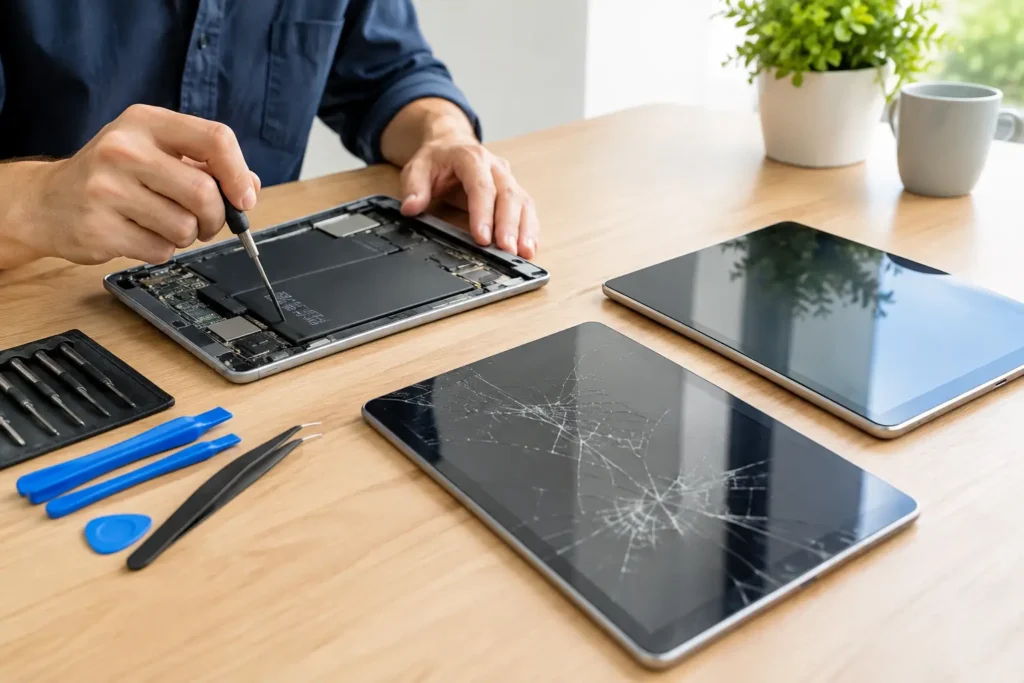
Most broken devices are not tidy warranty cases. They are dropped phones, worn batteries, damaged charge ports, overheating laptops, failed hard drives, cracked tablet screens and consoles with port damage. For those jobs, a good local repair shop is often the more practical option.
Speed is usually the first reason. If you rely on your device daily, sending it away is frustrating. A local repair service can often inspect the problem quickly and, depending on the fault, complete the work far sooner than a centralised manufacturer process.
Cost is another major factor. Official service pricing can sometimes push customers towards replacing the device altogether, especially if the product is a few years old. A repair shop may be able to carry out the exact repair needed without bundling that cost into a broader replacement model. That can make a big difference with screen repairs, battery replacements, charging faults and console repairs.
Then there is convenience. Being able to speak to a real technician, ask questions clearly, and hand the device to a local team has obvious value. You are not guessing where your device is in a postal chain. You know who is working on it and when you can expect an update.
The real trade-off – standard process versus practical diagnosis
This is where the choice gets more interesting. Manufacturer services are often excellent at handling approved repair categories in a controlled way. But not every fault fits neatly into those categories.
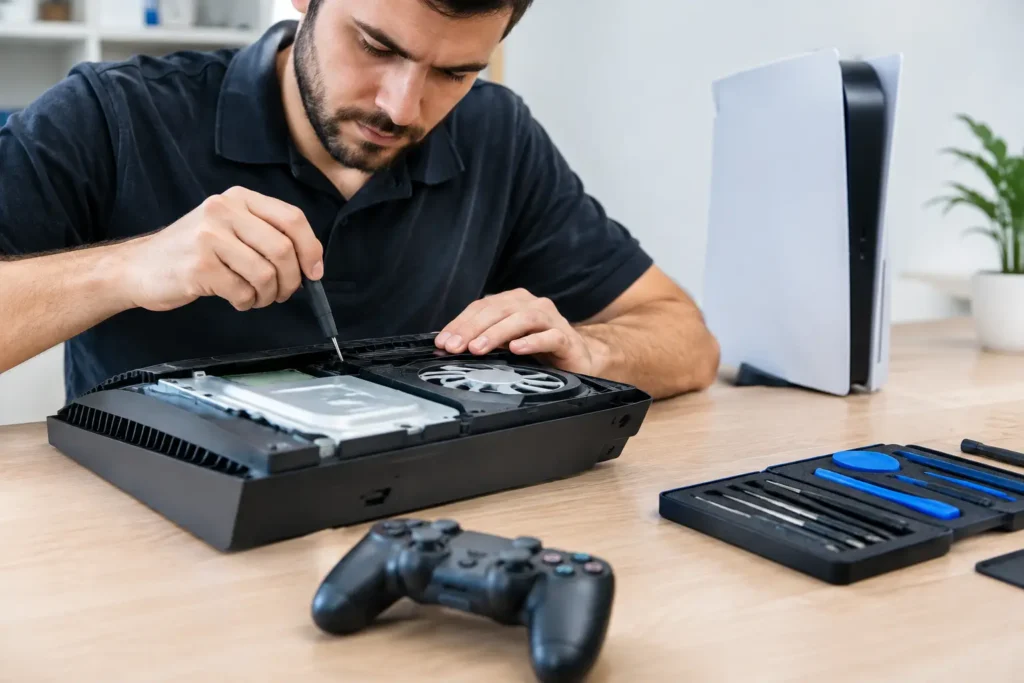
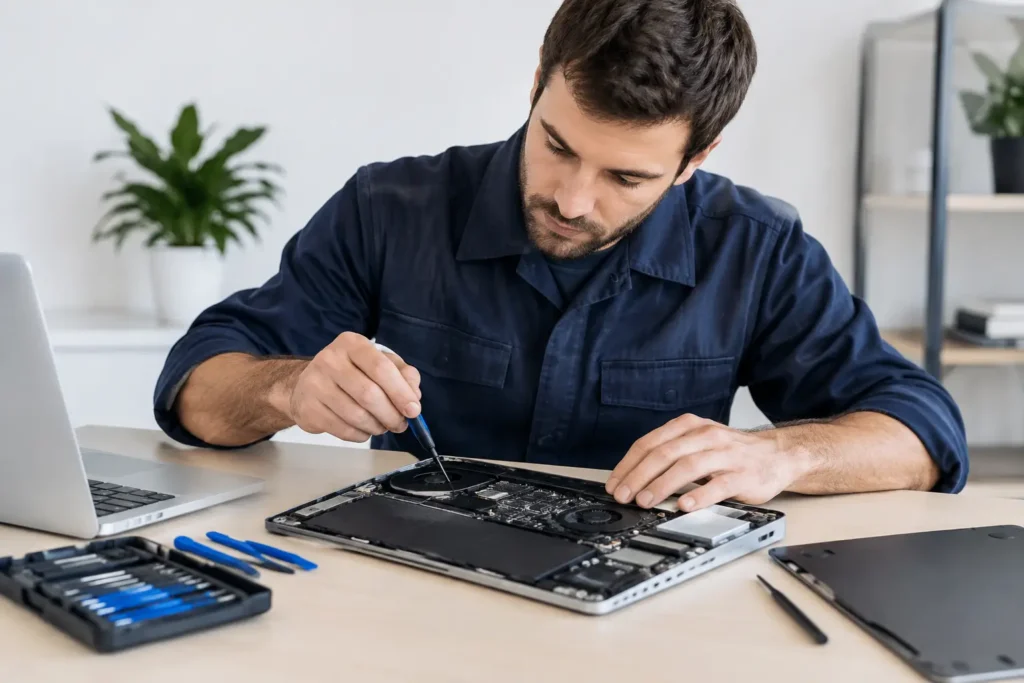
A mobile phone that will not charge might need a new port. It might also have board-level damage, contamination, battery issues or a fault caused by a cheap charger. A laptop with no power could be suffering from a failed DC jack, motherboard issue, battery fault or liquid damage. A console with no display may have an HDMI port problem, but the fault may extend beyond the visible connector.
A strong independent repair shop looks at the actual cause, not just the symptom. That can save money and avoid unnecessary replacements. It can also rescue devices that would otherwise be written off.
This is especially valuable for customers with older but still worthwhile hardware. If your MacBook, iPad, Samsung handset or games console is out of warranty but still useful, repair is often the smartest financial decision. You do not always need a new device. You need the right fix.
Data security matters more than most people think
One reason some customers hesitate with local repair is concern over privacy. That is fair. Phones and laptops carry personal messages, passwords, business emails, photos and sensitive files. Businesses and schools have even more to think about.
But data security is not a reason to avoid local repair. It is a reason to choose the right repair partner. A dependable repair shop should have clear handling procedures, limited-access workflows and transparent communication about what is and is not required during repair.
In many cases, local service can actually feel more secure because you know where the device is, who has it, and how it is being handled. If you are a business customer, that local accountability can matter just as much as technical skill.
Repair shop or manufacturer service for business and school devices
For organisations, the answer is often even clearer. If a school has multiple damaged iPads, or a business has staff mobile phones and laptops going down, sending each one through an individual manufacturer process is not always practical. It can create delays, admin burden and unnecessary cost.
A local repair shop can offer a more workable service model – quicker assessment, batch repairs, clearer pricing and direct communication. For schools, that means less disruption in the classroom. For businesses, it means less downtime and fewer productivity issues.
That is one reason many organisations prefer a nearby specialist rather than relying entirely on manufacturer channels. It is not just about fixing one item. It is about keeping operations moving.
How to decide which route is right for you
Start with four questions. Is the device still under valid warranty? Is the damage accidental or wear-related? How fast do you need it back? And is the quote likely to be sensible compared with replacement?
If the device is new and the fault appears to be a covered manufacturing issue, checking the official route makes sense. If the problem is accidental damage, battery wear, charging issues, liquid damage, HDMI faults or general hardware failure outside warranty, a trusted repair shop is often the more realistic first call.
It also depends on the device type. Smartphones and tablets often benefit from fast local repair because people cannot be without them. Laptops and desktops may need a more diagnostic approach, especially when data is involved. Consoles often fall into a category where specialist repair knowledge is more useful than generic service handling.
A good repair provider will not push you into the wrong option. They should tell you honestly when manufacturer service is worth trying first, and when local repair is likely to save time and money.
Choosing a repair shop you can trust
Not all repair services are equal. You want clear communication, realistic timescales, straightforward pricing and confidence that the team understands your specific device. Breadth matters here. A shop that works across phones, tablets, laptops, desktops, MacBooks, iMacs and consoles is more likely to have the diagnostic experience to spot the real fault quickly.
It also helps to choose a service that values proper repair over guesswork. Replacing parts one by one without diagnosis is expensive and frustrating. Skilled technicians should be able to explain the issue clearly and recommend the most sensible next step.
That local, problem-solving approach is exactly why many customers across Barrow, Furness and the wider Cumbria area choose a specialist such as TechLab Repairs instead of sending devices away and hoping for the best. Fast turnaround, practical advice and secure handling are not extras. They are what good repair should look like.
A broken device always feels urgent, but the decision does not have to be stressful. The best choice is usually the one that gets you a reliable repair, fair value and the least disruption to your day – and for plenty of faults, that points straight to a trusted local expert.