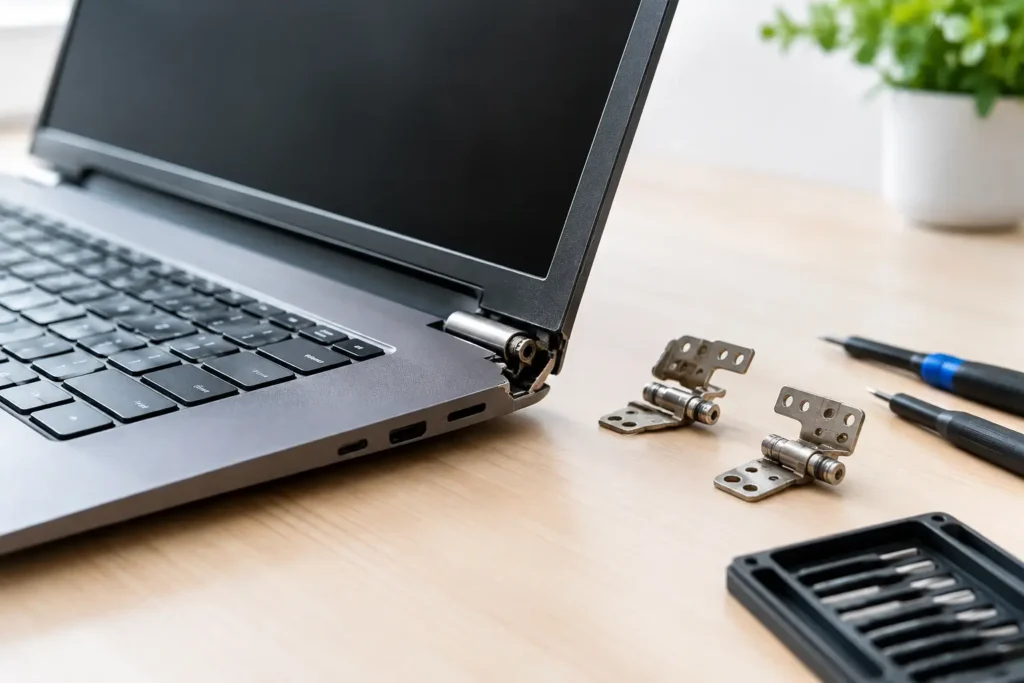
A Guide to Laptop Hinge Damage and Repair
Our guide to laptop hinge damage explains the warning signs, safe next steps and when a professional repair can protect your screen and data safely.

We’ve all been there. You pull your phone out of your pocket, it slips, and you watch in slow motion as it hits the pavement. You pick it up, and there it is, the dreaded "spiderweb" of cracked glass. After the initial frustration, your first thought is probably about the cost. You jump online and see a "DIY Screen Repair Kit" for £30. Then you call a professional shop and hear a price that's significantly higher.
It’s tempting to think, "It’s just a few screws; I can do this myself." But is DIY broken phone screen repair actually a bad idea?
The Verdict: For most people, yes, DIY screen repair is a bad idea. While it looks cheaper upfront, the high risk of permanently damaging your phone, combined with the cost of specialized tools and the lack of a warranty, usually makes it more expensive in the long run. Unless you are working on an old device you don't mind losing, professional repair is the safer, more cost-effective choice.
When you search for repair kits, you’re often looking at the price of a generic part and a few plastic prying tools. This "sticker price" is misleading because it doesn't account for:
We often see customers come into our shop with a bag of parts and a half-disassembled phone. By that point, the cost to fix the "fix" is often double what the original repair would have cost.
Modern smartphones are marvels of engineering, but they are also incredibly fragile on the inside. Here are the three most common mistakes we see from DIY attempts:
This is the most common way to permanently "brick" a phone. Modern devices use dozens of screws that look identical but differ in length by fractions of a millimeter. If you put a 1.3mm screw into a 1.2mm hole, you can puncture the motherboard underneath. This causes a "blue screen" or a complete power failure that even an expert might not be able to fix.
Underneath your screen are ribbon-thin cables that connect your display, your Face ID sensors, and your front camera to the board. One slip of a metal tool or pulling the screen open at the wrong angle can tear these cables instantly. On many devices, if you break the original Face ID or Touch ID sensor, you lose that feature forever because they are "married" to the motherboard by the manufacturer.
Phone screens are held on by very strong industrial adhesive. To remove them, you have to use heat. If you use too much heat, or if your prying tool slips and punctures the lithium-ion battery, it can vent toxic gas or even catch fire. This is why we always recommend a professional check if your battery is also showing signs of wear.

Not all screens are created equal. When you buy a cheap kit from a random seller, you aren't getting the same tech that came with your phone.
Most high-end phones use OLED technology. Cheap DIY kits often swap this for a thicker, dimmer LCD. This doesn't just look worse; it can actually drain your battery faster because it requires more power to run. Furthermore, these cheaper parts often lack the structural integrity of a premium part, meaning the next tiny drop will likely shatter the screen all over again.
We prioritize using premium parts because we know you rely on your phone for work and family life. You need a screen that feels like the original, not a sluggish substitute.

We believe in transparency. There are times when doing it yourself is a reasonable choice:
If you decide to go the DIY route, always make sure you have the right charging cables and ports ready to test the device properly once it's back together.
When you send your phone "away" or wait for parts to arrive in the mail, you're out of commission for days. As a local service, we understand that "daily use" isn't just a phrase: it's a necessity.
By choosing a professional local repair, you get:

Repairing a screen is a precision task that requires a steady hand and professional-grade equipment. While the DIY path looks like a way to save a few pounds, the hidden costs: the risk of data loss, the potential for hardware "bricking," and the lack of a warranty: usually make it a bad deal for the average user.
If your screen is cracked and you’re feeling overwhelmed by the options, come chat with us. We’ll give you a straight answer on whether your device is worth fixing and get you back up and running without the stress of a DIY disaster.
Our guide to laptop hinge damage explains the warning signs, safe next steps and when a professional repair can protect your screen and data safely.

Choose a data secure repair service in Barrow-in-Furness that protects your photos, accounts and work files while fixing the device you rely on every day

Our business device support guide helps Cumbria teams reduce downtime, protect data and choose fast, dependable repairs for essential daily work devices.
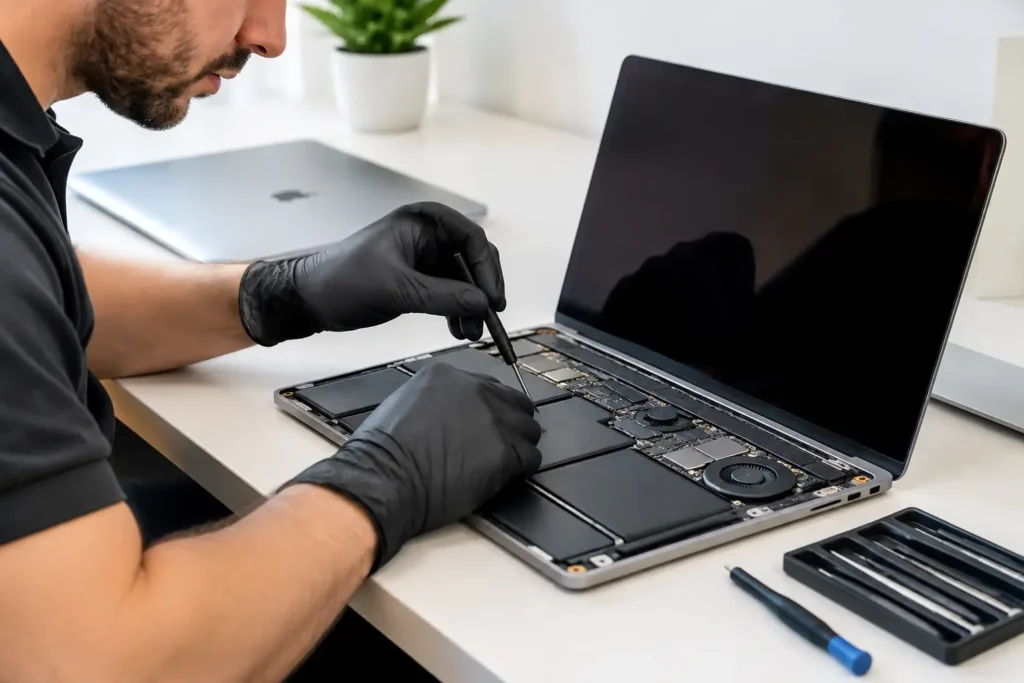
Need a MacBook repair service in Barrow-in-Furness or Cumbria? Get clear fault diagnosis, secure data handling and practical repairs to keep work moving.
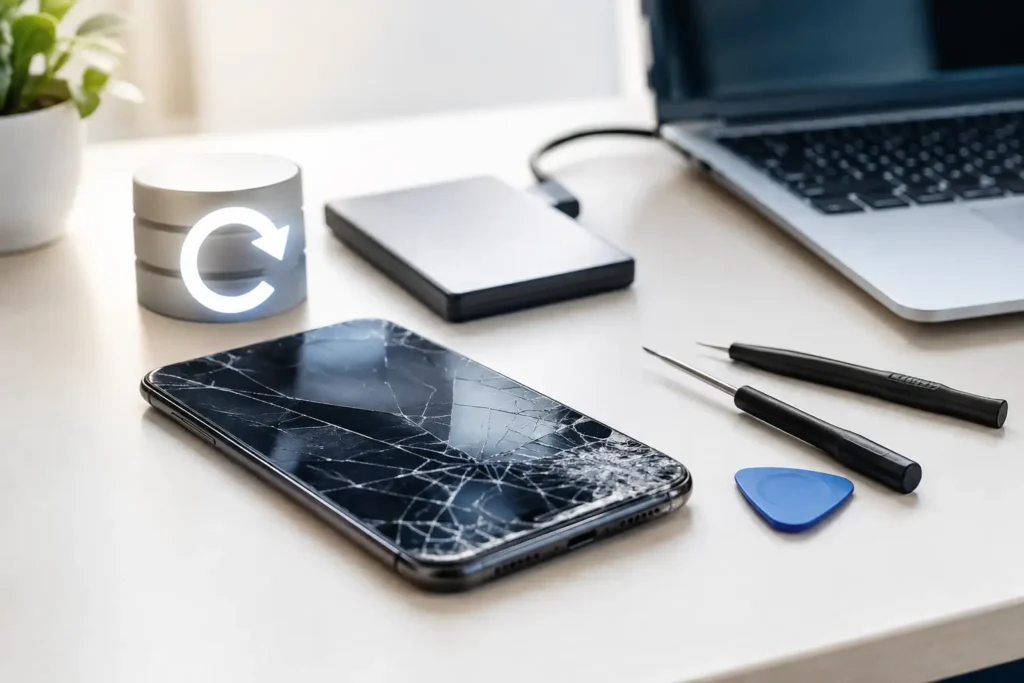
Can data be recovered safely after a phone, laptop or tablet fails? What to do first, what to avoid, and when professional recovery can help save files.

Need an iphone screen replacement in Barrow-in-Furness or Cumbria? Learn what affects cost, quality and turnaround, and protect your phone after repair.
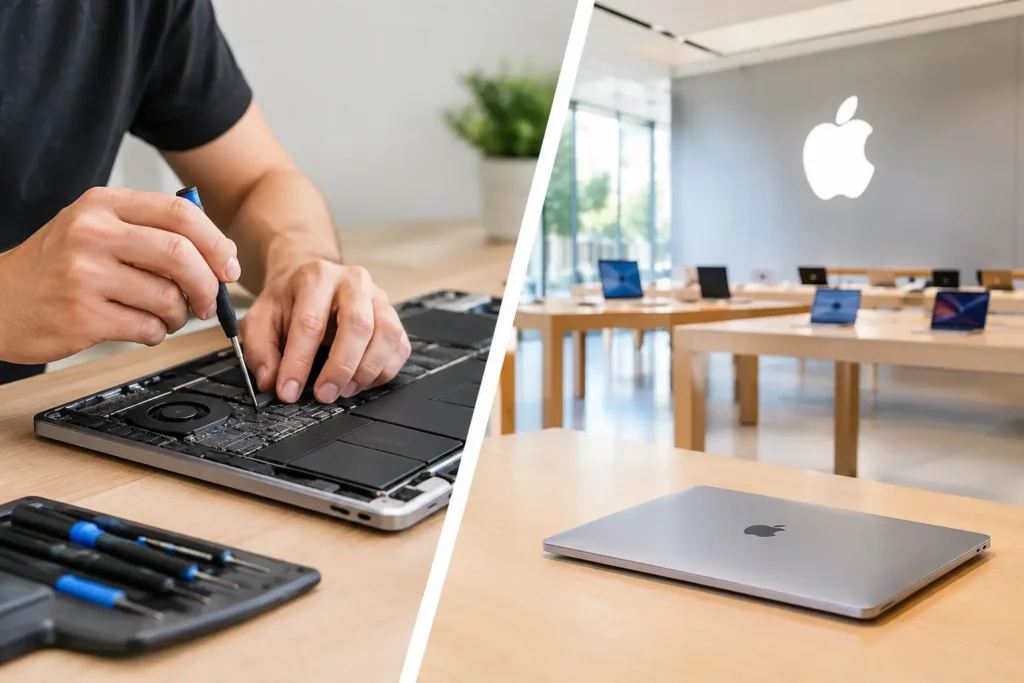
Choosing macbook repair versus apple store? Compare cost, turnaround, data care and repair options for Mac users across Cumbria and the Lake District.
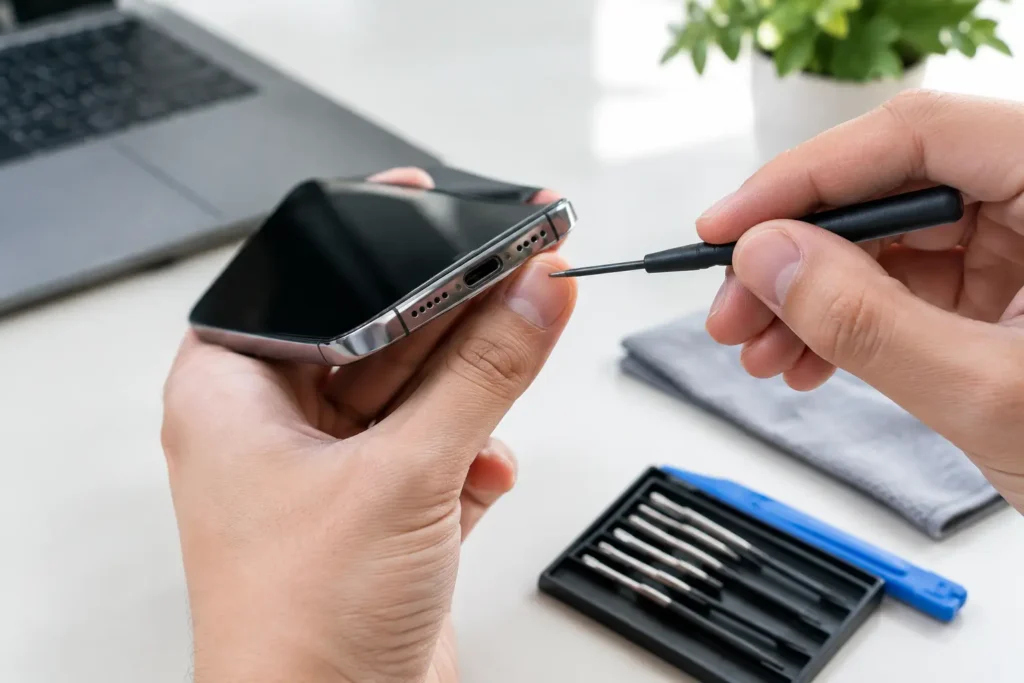
Learn how to fix charging port issues safely, spot the cause, protect your data and decide when professional repair is the smarter choice for your device.
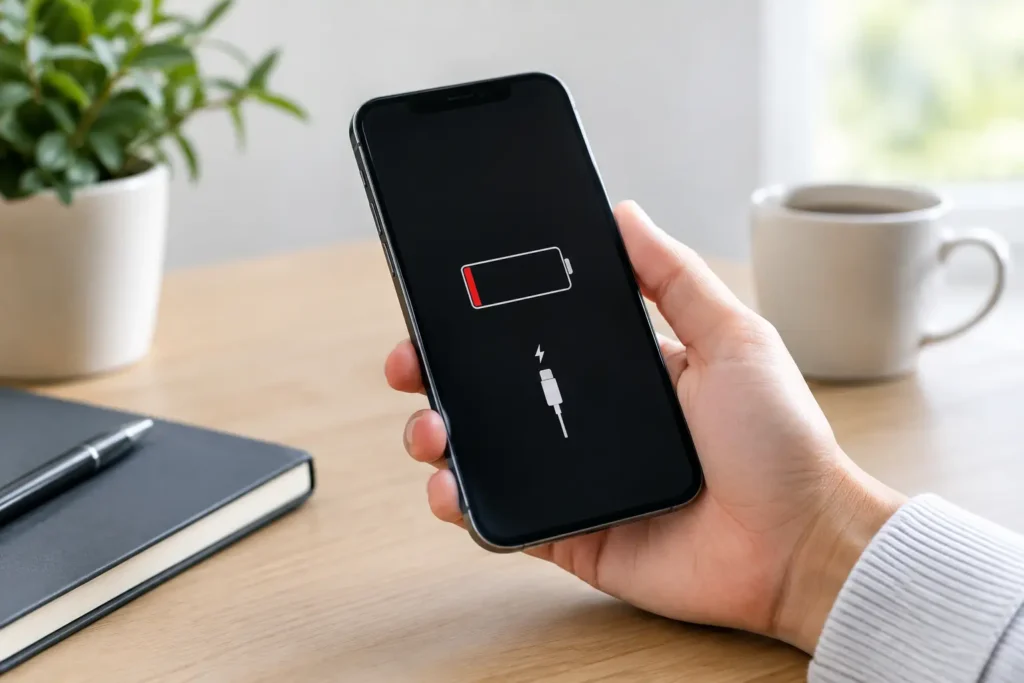
What causes iPhone battery drain? Learn how settings, apps, signal and battery age affect power, plus when a repair can help restore daily reliability.
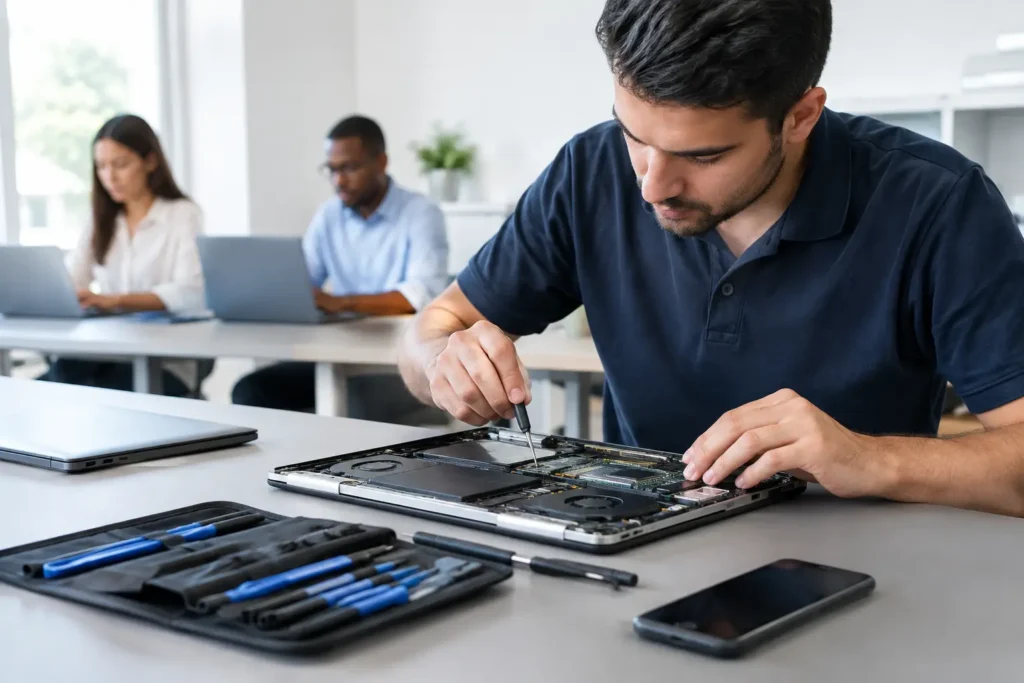
Corporate device repairs that reduce downtime, protect business data and keep your staff’s phones, laptops and tablets ready for work across Cumbria now.