A glued-in battery, a parts pairing warning, a missing circuit diagram – most people never think about any of that until a phone stops charging or a laptop suddenly dies before an important deadline. That is exactly why right to repair trends matter. They are no longer just a talking point for campaigners or technicians. They now affect what you can fix, where you can fix it, how much it costs, and how long your devices stay useful.
For customers across Barrow-in-Furness, Cumbria and the wider Lake District, this matters in a very practical way. If your device is essential for work, school, business admin or simply everyday life, the repair market needs to be fair, accessible and fast. The big shift is that repair is becoming a mainstream consumer issue rather than a niche technical one.
Why right to repair trends are gaining momentum
The pressure has been building for years. Devices have become more expensive, more powerful and, in many cases, harder to repair. At the same time, households and businesses have become less willing to replace a perfectly good device just because one component has failed.
Cost is one reason. A screen replacement or charging port repair is usually far more sensible than buying a new handset. Sustainability is another. More people now understand that extending the life of a phone, tablet or laptop is often the greener option. Then there is convenience. Sending a device away for days or weeks is not ideal when that device runs your diary, banking, schoolwork or stock system.
Manufacturers have also had to respond to scrutiny from regulators, consumer groups and independent repairers. That has created a market where access to parts, tools and repair information is becoming harder to ignore as a public issue.
The biggest right to repair trends affecting customers
One of the clearest changes is greater public awareness. A few years ago, many customers assumed repair options were limited to the manufacturer or a full replacement. Now, people are more likely to ask whether a device can be repaired locally, whether genuine or quality replacement parts are available, and whether data can stay secure during the process.
Another major trend is regulation pushing manufacturers towards better repairability. Rules and policy changes vary by country and product type, so it is not a simple overnight change. Still, the overall direction is clear. Brands are under more pressure to make parts and repair information available for longer and to design products with service life in mind.
There is also a noticeable shift in how repairability influences buying decisions. Customers are starting to ask smarter questions before they purchase. Can the battery be replaced? Is the screen reasonably repairable? Will parts still be available in two or three years? That is a healthy change, because a cheaper device can become expensive if even minor faults turn into write-offs.
Software is now part of the conversation too. In the past, repair mainly meant physical access – screws, clips, adhesives and spare components. Today, software locks, calibration tools and parts authentication can all affect whether a repair works properly. Even when a physical part can be swapped, the device may still show warnings or lose certain functions if it is not configured correctly.
What this means for phones, laptops and consoles
Smartphones sit at the centre of the right to repair debate because they are essential and heavily used. Screen damage, battery wear, charging faults and liquid damage are common, but the complexity behind those repairs has grown. Water resistance seals, Face ID systems, fingerprint sensors and camera modules all mean modern phone repairs require more care than people often realise.
That does not mean repair is unrealistic. Far from it. It means quality matters more. A rushed job or poor-quality part can create more problems than it solves. Customers benefit most when they choose a repair service that understands model-specific issues and can explain the trade-offs clearly.
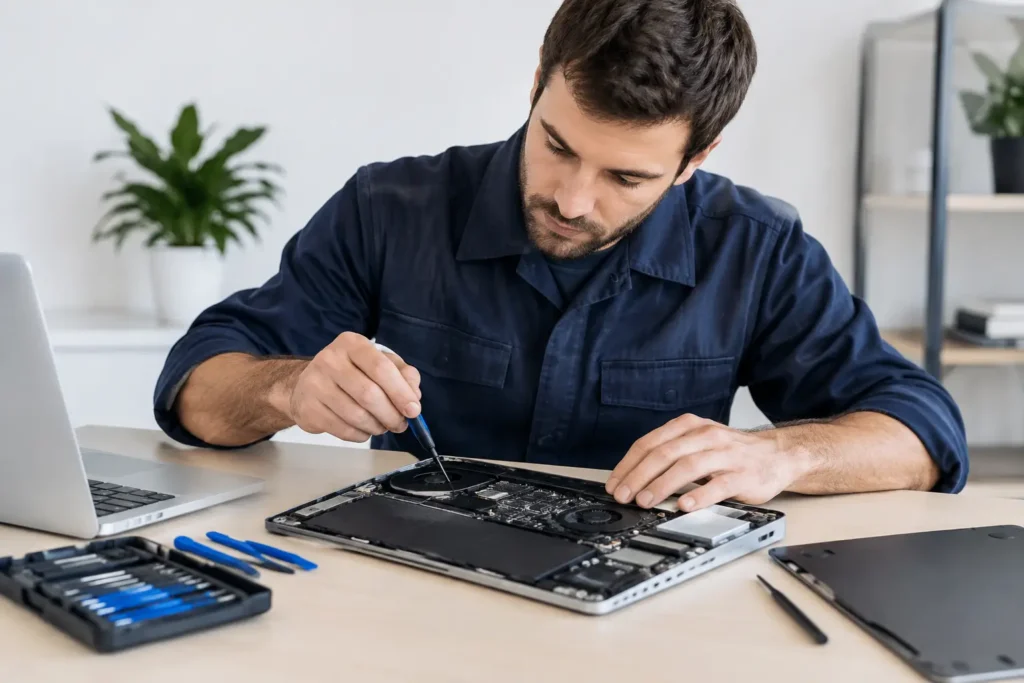
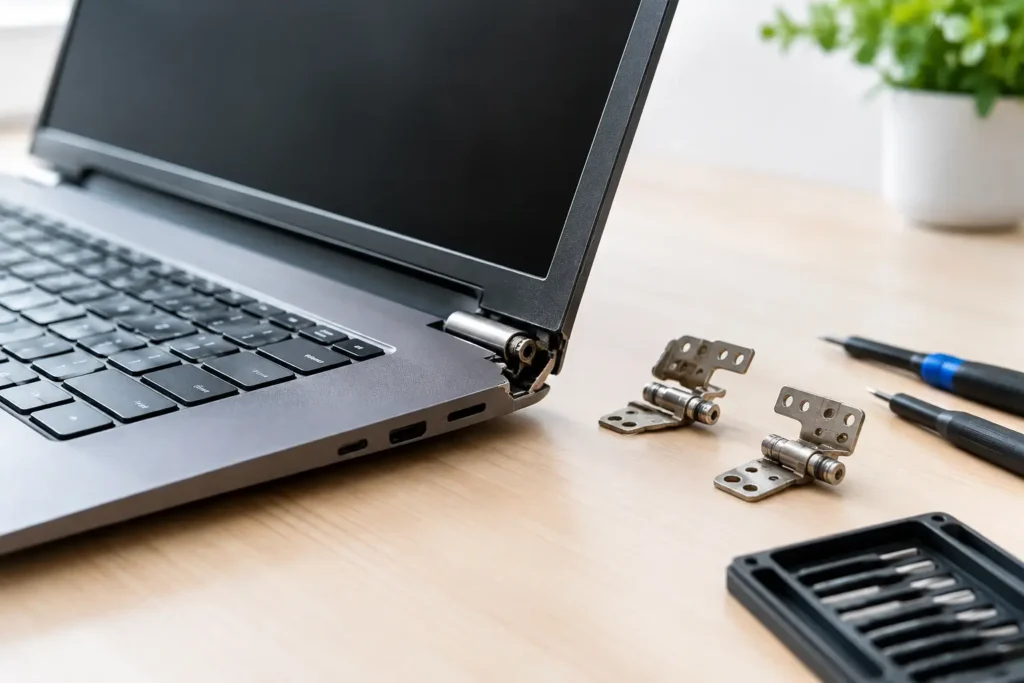
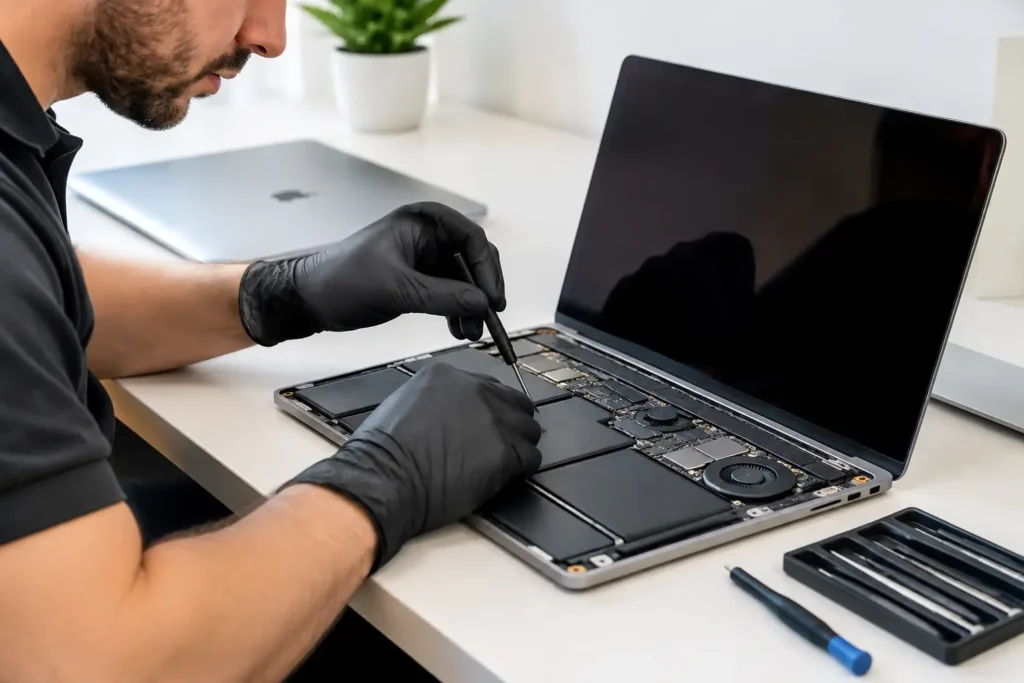
Laptops and desktops tell a slightly different story. Many business and education users want machines to last longer because replacing fleets of devices is expensive. Batteries, keyboards, hinges, fans, SSDs, charging circuits and motherboard faults can all be repairable, depending on the model. The trend here is towards keeping work devices in service for longer, especially when budgets are under pressure.
Gaming consoles are another area where repair demand remains strong. HDMI port damage, overheating, power faults and storage issues are common examples. These are not glamorous problems, but they can take a console out of use completely. With newer consoles costing a significant amount, repair often makes far more sense than replacement.
Where right to repair trends still hit a wall
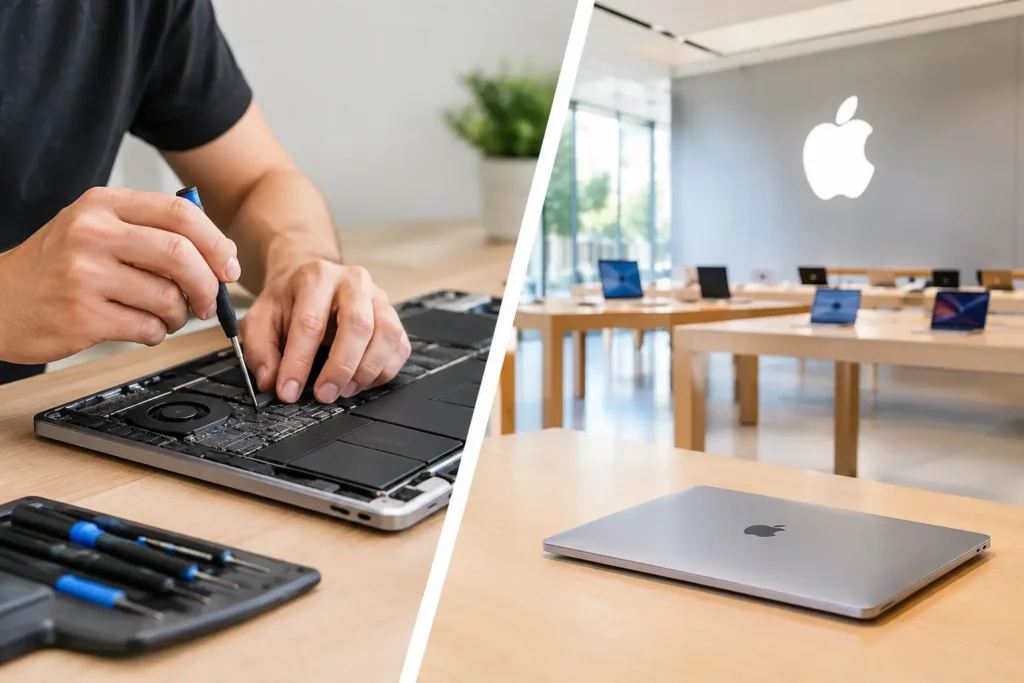
The picture is improving, but it is not perfect. Some manufacturers still make repairs harder than they need to be. Parts can be restricted. Manuals may be limited. Certain features may depend on proprietary software tools. In some cases, product design still leans more towards replacement than long-term serviceability.
That is why it is worth being realistic. Not every repair is straightforward. Not every device is economically sensible to fix. A very old budget laptop with multiple faults may not be worth the spend. A water-damaged phone may be recoverable, but success depends on how quickly it is treated and which components were affected.
The best approach is practical rather than ideological. Right to repair is not about saying every device should always be fixed at any cost. It is about making fair repair possible when it is sensible, safe and cost-effective.
Why local repair services matter more now
As right to repair trends gather pace, trusted local repair shops become more important, not less. That is because access alone is not enough. Customers still need someone who can diagnose faults properly, source suitable parts, protect personal data and turn repairs around quickly.
For many people, local service solves several problems at once. You can speak to a real person, get a straightforward answer, and avoid posting a device away and hoping for the best. For schools and businesses, local support can be even more valuable because downtime affects staff, pupils and day-to-day operations.
This is where independent specialists earn trust. They often support a wider range of devices and generations than manufacturer service channels are willing to prioritise. They can also be more honest about whether a repair is worthwhile, which is exactly what customers need when they are trying to make a sensible decision rather than just the most expensive one.
At TechLab Repairs, that local-first approach is central to the job. Whether it is an iPhone battery, a Samsung screen, a laptop power fault or a console HDMI issue, the aim is simple – get people back up and running without unnecessary delay.
How customers can respond to these trends
The most useful thing customers can do is think about repair before a fault happens. When buying a new device, consider not only the upfront price but the likely repair path. A device that is slightly dearer but easier to maintain can work out better over time.
It also helps to act quickly when problems appear. A swelling battery, intermittent charging port or liquid spill should not be ignored. Small faults often become bigger and more expensive if they are left too long.
Ask direct questions too. Is the issue repairable? What are the likely costs? Will there be any impact on data? Are there quality options for replacement parts? A good repair service should be able to answer plainly, without burying you in jargon.
For business and education customers, the trend points towards having a repair plan rather than treating every failure as an emergency. If you manage multiple devices, having a dependable local repair partner can reduce disruption and stretch budgets further.
The next phase of right to repair trends
The next few years will likely bring more pressure on manufacturers to support repairability, longer part availability and clearer consumer rights. There will also be more debate about software control, device security and how far third-party access should go. That balance matters. People want secure devices, but they also want fair and affordable repair options.
The likely outcome is not a perfect open market where every fix is easy. It is a more balanced one, where customers have better choices, independent repair remains viable, and replacing a device is no longer treated as the default answer to every fault.
That is good news for anyone who depends on their tech every day. Broken devices are stressful enough without being pushed into a costly replacement you did not really need. If right to repair trends continue in the direction they are heading, more people will have a fair chance to keep their phones, laptops and consoles working properly for longer – and that is a change worth paying attention to.