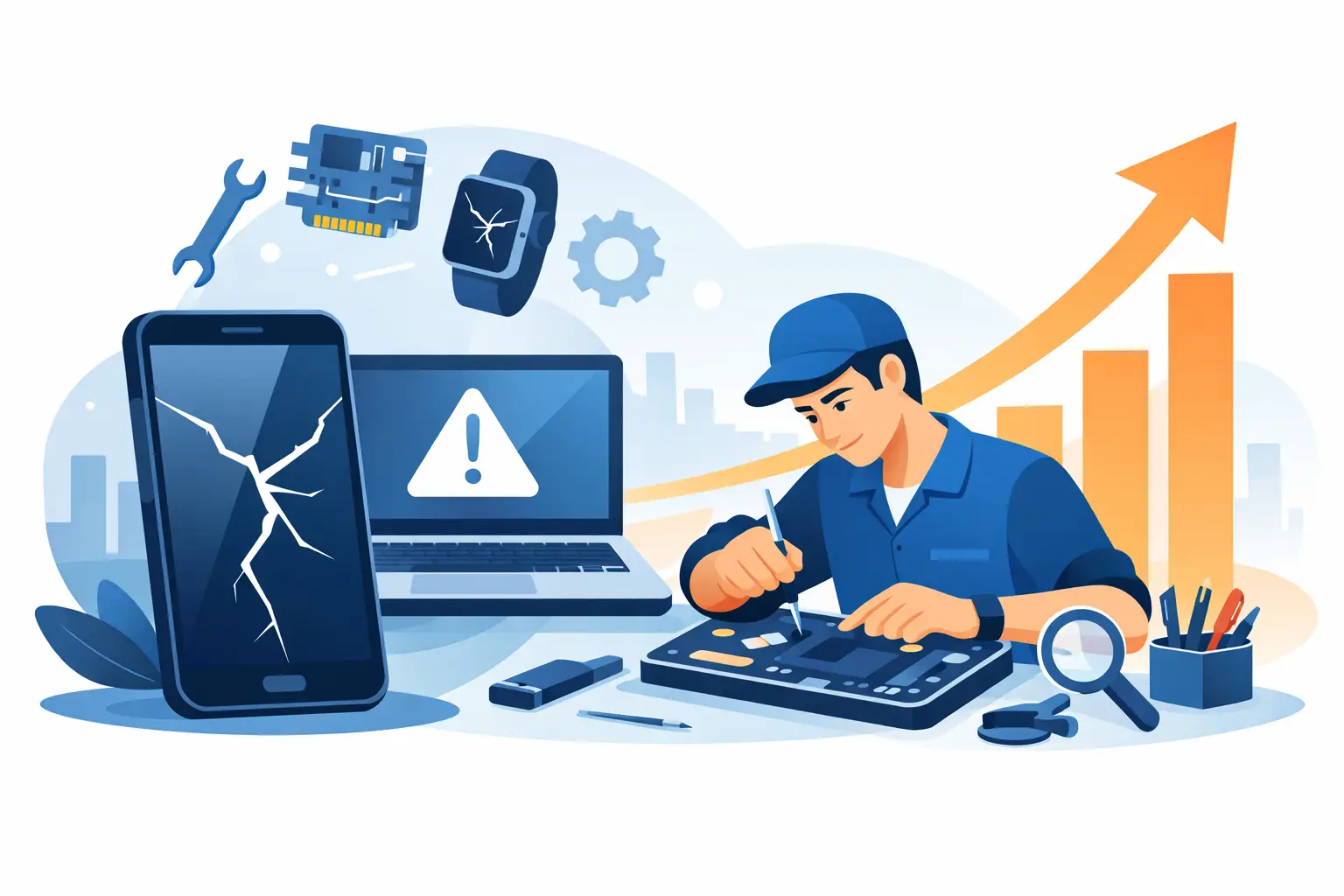
A cracked phone screen on a school run, a laptop that dies before a deadline, a games console that stops working just as the weekend starts – this is where the demand for tech repair services becomes very real. For most people, devices are not luxuries sitting in a drawer. They are how we work, study, bank, shop, keep in touch and switch off at the end of the day. When they fail, people want a quick answer, not a long wait and a bigger bill.
That shift matters for households, for local organisations and for repair specialists across places like Barrow-in-Furness and the wider Cumbria area. More customers are asking the same practical question: is it worth repairing this rather than replacing it? In many cases, the answer is yes.
What is driving the demand for tech repair services?
The biggest reason is simple – people depend on more devices than they used to. A typical household might have several smartphones, tablets for children, a work laptop, a home computer, earbuds, smartwatches, a games console and maybe a second handset kept as a backup. When you multiply that across towns, schools and businesses, the number of devices in daily use is huge.
At the same time, replacement costs have climbed. A new premium smartphone can cost more than many people want to spend in one go. The same goes for laptops, MacBooks, gaming consoles and specialist tablets. If the fault is limited to a screen, battery, charging port, HDMI port or power issue, repair often makes better financial sense.
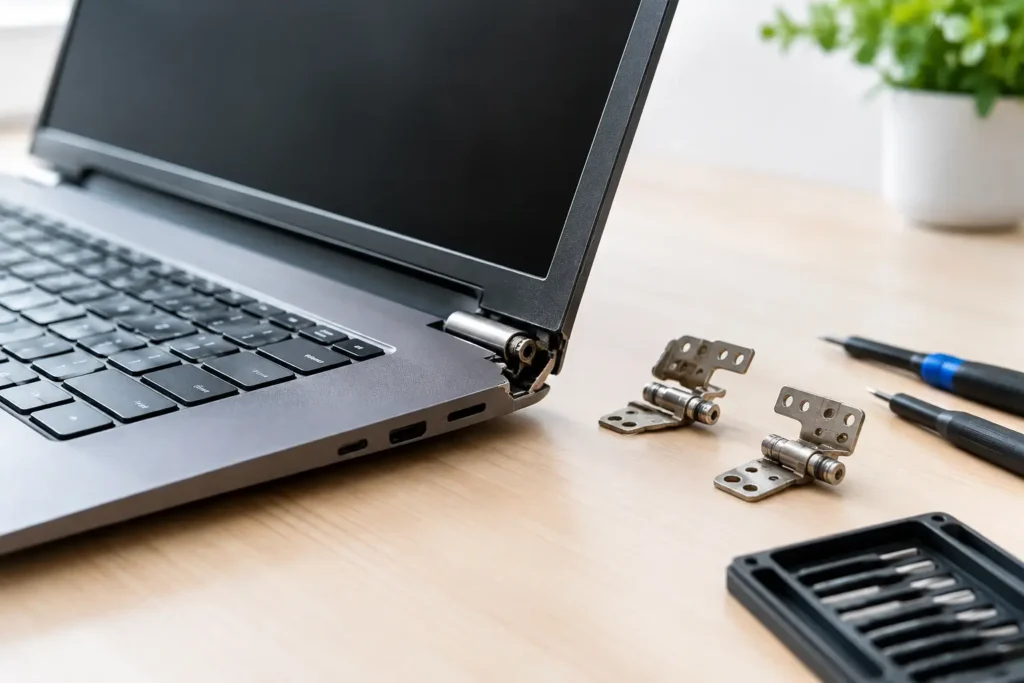
People are also holding onto devices for longer. That creates more wear and tear. Batteries degrade, ports loosen, liquid damage happens, hinges weaken and internal components fail after years of regular use. A longer ownership cycle naturally creates more repair demand.
There is also a growing awareness that sending every faulty device to landfill is wasteful. Not every customer talks in environmental terms, but many do understand the common-sense value of extending the life of something expensive. Repair is often the more sensible option for both budget and waste.
Why local repair now beats replacement for many customers
Convenience plays a big part. If a phone stops charging, most people do not want to package it up, post it away and wait. They want a local specialist who can inspect it, explain the issue clearly and get it back in working order as quickly as possible.
That is especially true for customers who rely on one main device. A student may have coursework on a laptop. A parent may need a phone for school messages and banking. A small business owner might use a single handset for calls, card payments and email. In those situations, speed is not just nice to have. It is the difference between carrying on and losing time, money or access.
There is also more trust in face-to-face service when a device contains personal or business data. Customers want to know who is handling their phone, laptop or tablet. A nearby repair shop with a clear process and a straightforward explanation often feels safer than a distant returns system.
The demand for tech repair services is not just about phones
Smartphone repairs remain one of the biggest parts of the market, largely because phones are dropped more often and used constantly. Screen replacements, battery replacements and charging faults are everyday problems. Apple iPhones and Samsung handsets lead a lot of that traffic simply because they are so widely used.
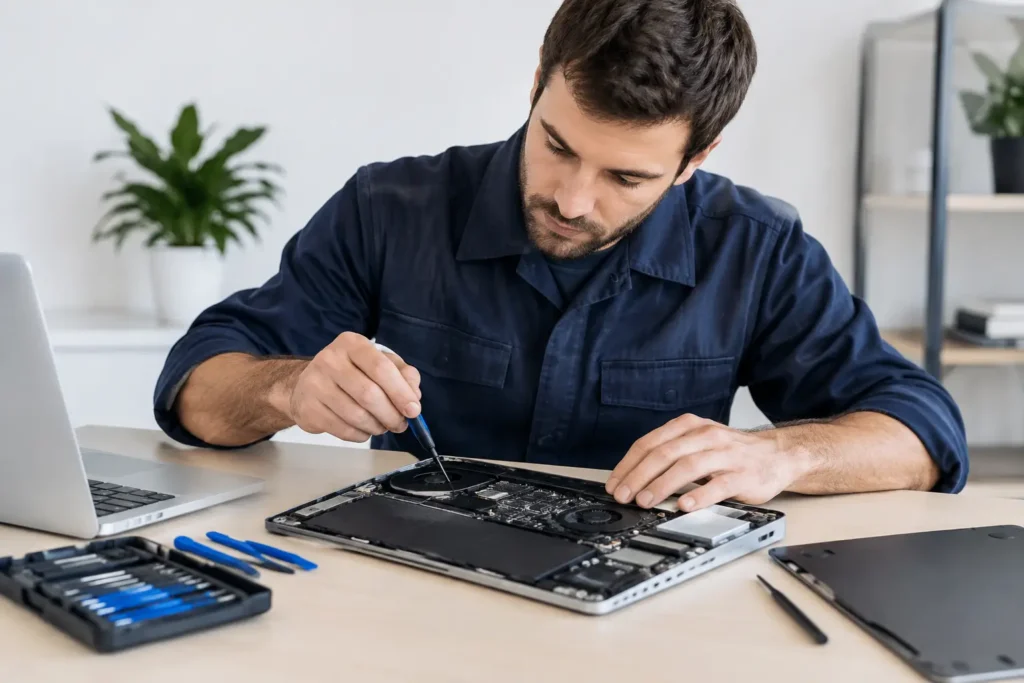
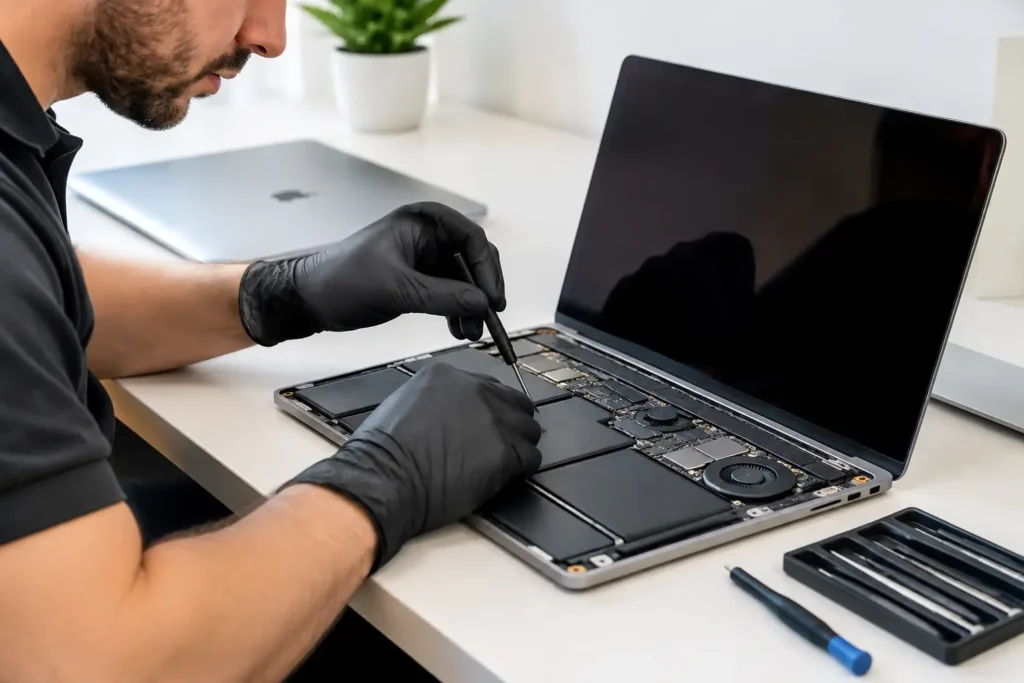
But the market is broader than that. Laptop repair demand has grown because hybrid working never really went away. People work from home, move between sites and rely on portable machines for everything from video calls to invoicing. A faulty keyboard, overheating issue, damaged screen or power failure can stop work immediately.
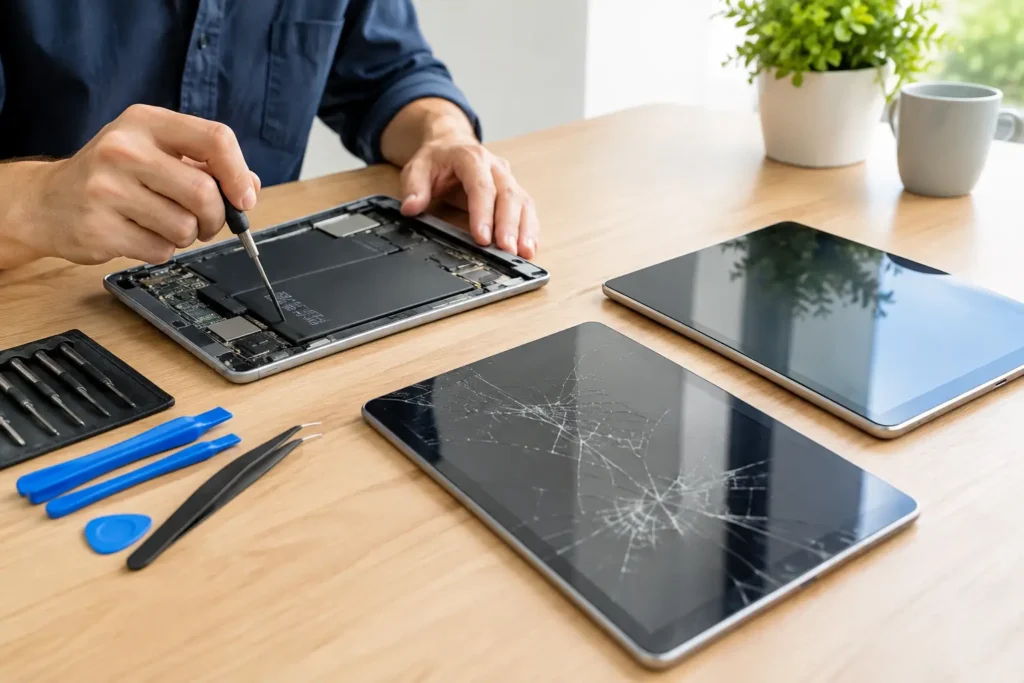
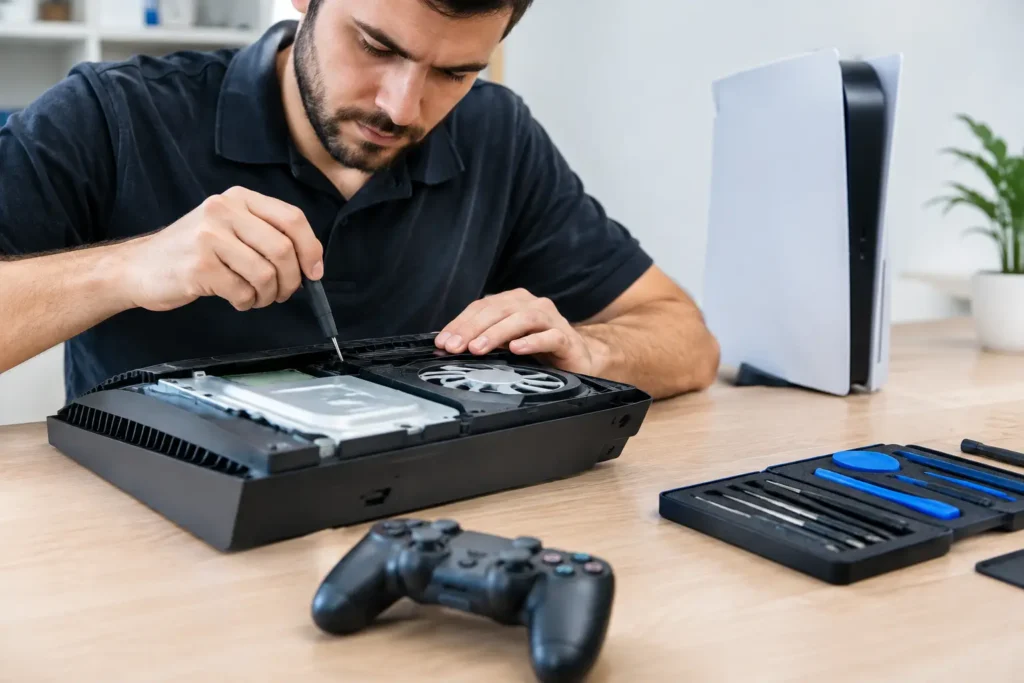
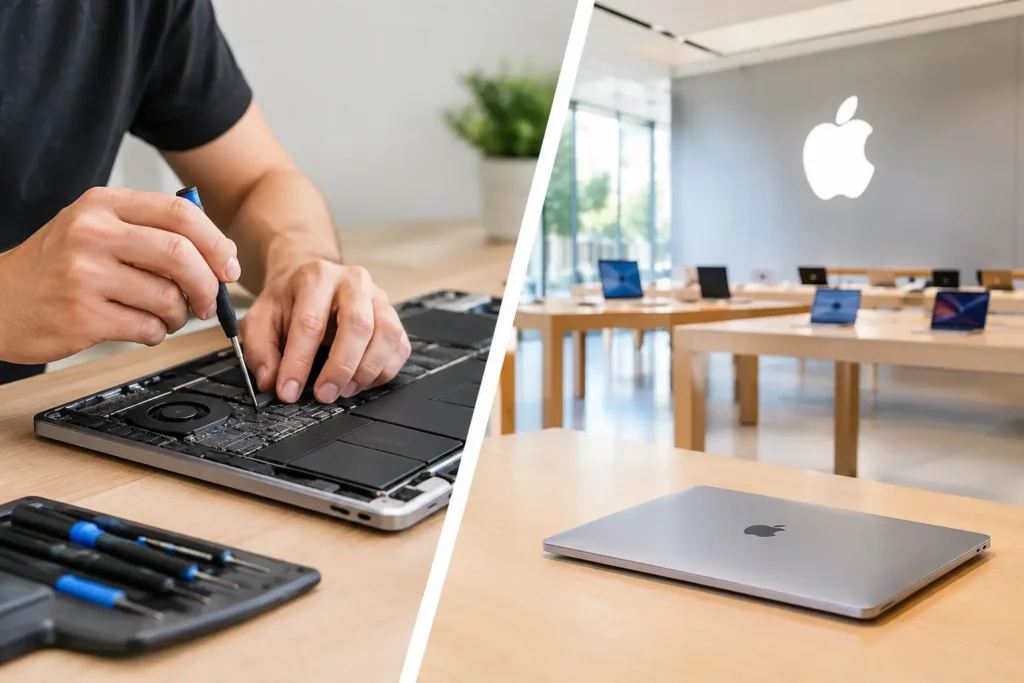
Tablet repairs are also common, particularly in homes with children and in schools where devices are shared heavily. Gaming console repairs have their own steady demand, with HDMI port faults, overheating and power problems being common pain points. Desktop machines, iMacs and MacBooks remain important too, especially for users who need a reliable system for business, study or creative work.
That range matters because customers increasingly want one place that can deal with more than one type of device. A repair business that only handles a narrow slice of the market may miss what families and organisations actually need.
Schools and businesses are helping fuel repair growth
Consumer demand gets most of the attention, but business and education repairs are a major part of the picture. Schools often manage fleets of tablets, laptops and classroom devices that suffer from heavy use. Replacing every faulty unit is expensive, especially when budgets are tight. A dependable repair partner helps them keep devices in circulation and costs under control.
Businesses face a similar issue. Staff need working laptops, desktops and phones to stay productive. When equipment fails, downtime costs money. A repair service that can diagnose faults quickly, carry out reliable work and handle multiple devices becomes valuable very quickly.
This is one reason local repair providers with broad technical coverage are well placed. They can support individual customers walking in with a cracked screen, but also schools and firms that need repeat service, clear communication and practical turnaround times.
Why repair demand keeps growing even as devices improve
It is fair to say modern devices are impressive. Screens are tougher than they used to be, water resistance has improved on some models and internal design has become more advanced. But improved technology does not remove repair demand. In some cases, it changes it.
As devices become more complex and more expensive, customers are less likely to replace them casually. A damaged charging port on a high-value phone or a battery issue in a premium laptop becomes a repair decision rather than an excuse to upgrade.
There is a trade-off, though. Some newer devices are harder to repair than older ones. Parts can be more specialised, and internal layouts can make labour more involved. That means not every fix is cheap, and not every fault is worth repairing. Good repair advice should be honest about that. If the device has multiple failures, severe board damage or poor value relative to replacement, customers should be told plainly.
That honesty is part of why strong local repair businesses keep winning repeat custom. People do not just want a repair. They want the right recommendation.
What customers expect from a repair service now
Speed is near the top of the list, but it is not the only factor. Customers also expect clear pricing, realistic timeframes and straightforward communication. If a repair shop says it can handle a fault, people want confidence that the diagnosis is sound and the workmanship will last.
Data security is another major issue. Phones and laptops hold photos, messages, saved passwords, company files and personal records. Customers want reassurance that their device will be handled carefully and professionally.
They also want range. If one household has an iPhone screen issue, a Samsung battery problem and a laptop that no longer powers on, they do not want to shop around three different services. A one-stop repair shop has a real advantage because it matches how people actually use technology.
This is where a business like TechLab Repairs fits naturally into the market. Fast turnaround, wide device coverage and secure handling are not marketing extras. They are exactly what rising customer demand is asking for.
What the future of tech repair services looks like
The outlook remains strong because the drivers are not going away. Devices are still central to everyday life. Costs of replacement remain high for many households and organisations. Schools and firms still need value from the equipment they already own. And customers continue to prefer practical local support over being passed from one remote process to another.
There may be shifts in the type of work coming through the door. Battery replacements may rise as people hold onto phones for longer. Board-level repairs may become more valuable as customers look to save higher-end devices. Business support and education contracts may grow as organisations try to stretch budgets without compromising operations.
For customers, that is good news. A healthy repair market means more choice, faster service and a better chance that a damaged device can be saved rather than scrapped.
For anyone weighing up repair versus replacement, the best approach is usually the simplest one: get the device properly assessed, understand the fault, compare the cost and make the decision based on value rather than panic. A broken device feels urgent, but the right repair can often turn a costly problem into a manageable one.
When technology is this central to daily life, reliable repair is not a side service. It is part of keeping homes, schools and businesses moving.