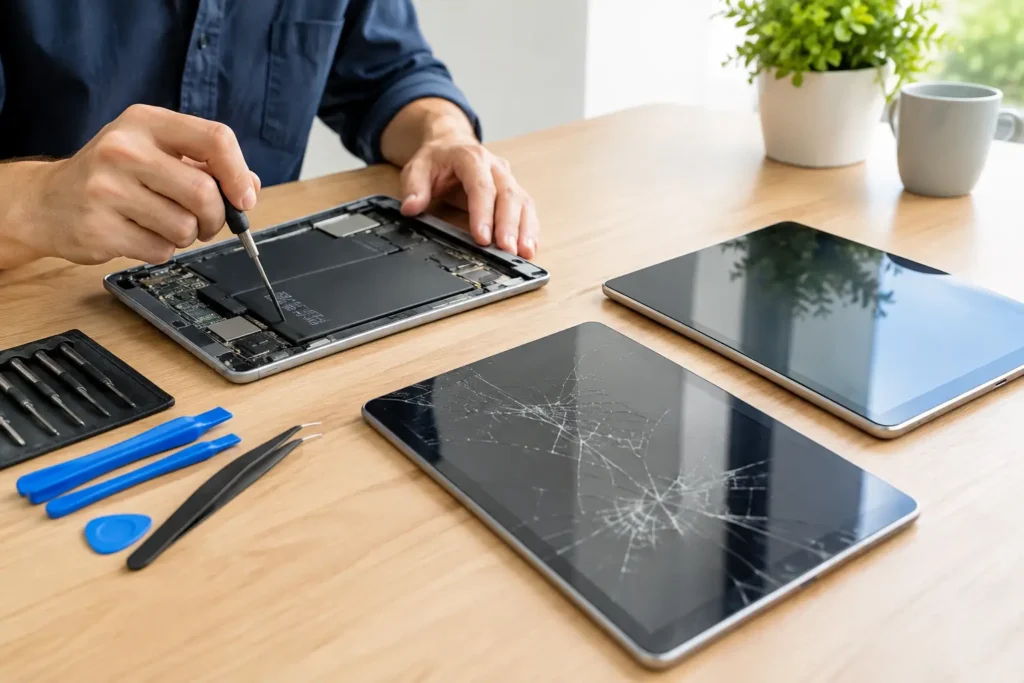
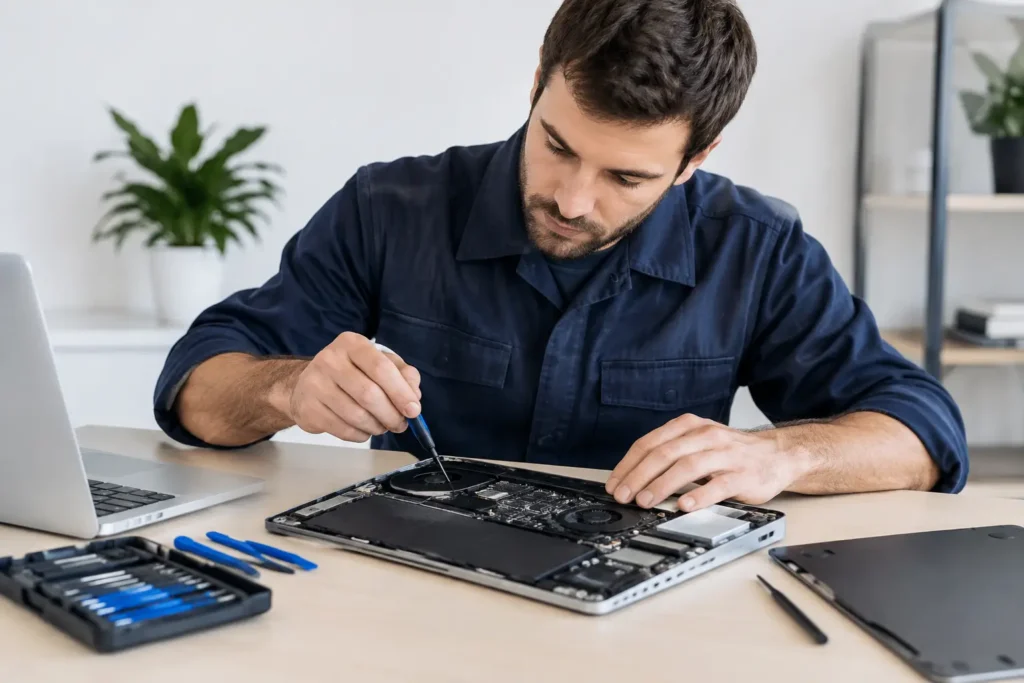
One minute your phone is charging, ringing and doing everything it should. The next, it is completely unresponsive – no screen, no vibration, no charging symbol, nothing. If you are wondering can a dead phone be repaired, the honest answer is yes, very often it can. But what counts as a “dead” phone matters, because a flat battery, charging fault, software crash and serious board damage can all look exactly the same from the outside.
That is why the first step is not guessing. A phone that appears totally gone can still be a straightforward repair, and replacing it too quickly can cost far more than fixing it.
What does a “dead” phone actually mean?
Most people use the phrase when a handset will not switch on, will not charge, and shows no obvious signs of life. That can happen after a drop, liquid spill, failed update, overheating issue or simply gradual wear over time. In many cases, the phone is not truly dead at all. It is just unable to start because one key component has failed.
A dead phone might still have a healthy screen, storage chip and data inside. Equally, it might have a perfectly good battery but a damaged charging port. From a repair point of view, those are very different jobs with very different costs.
Can a dead phone be repaired if it will not turn on?
Yes – and this is one of the most common misunderstandings we see. A phone that will not turn on is not automatically beyond repair. Quite often, the fault sits in one of a few common areas.
The battery is an obvious one. Batteries degrade over time, and when they fail badly enough the phone may not boot at all. This is especially common in older iPhones, Samsung handsets and devices that have been heavily used for a few years. A replacement battery can bring the phone back to life quickly if the rest of the device is sound.
Charging ports are another frequent culprit. Dust, pocket fluff, bent pins and wear can stop power reaching the battery properly. People often assume the battery is gone when the real issue is that the phone has not been charging properly for days or weeks.
Then there are software faults. Failed updates, corrupted operating systems and boot loop problems can make a handset appear dead. Sometimes the screen stays black even though the phone is still trying to start. In those situations, recovery work or software repair may solve the problem without replacing major hardware.
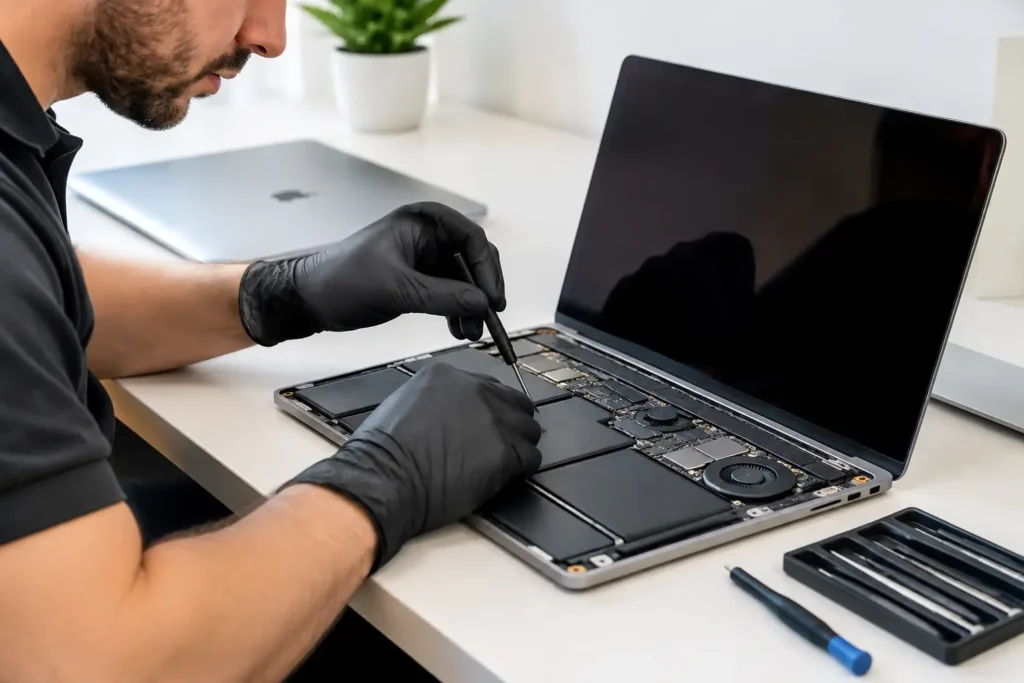
More serious cases involve the logic board or power management circuitry. These faults are more technical, but they are not automatically the end of the road. Board-level diagnostics can identify whether the device can be repaired at component level rather than written off.
The most common reasons a phone dies
A genuinely useful answer depends on the cause. There is no single fix because “dead phone” is a symptom, not a diagnosis.
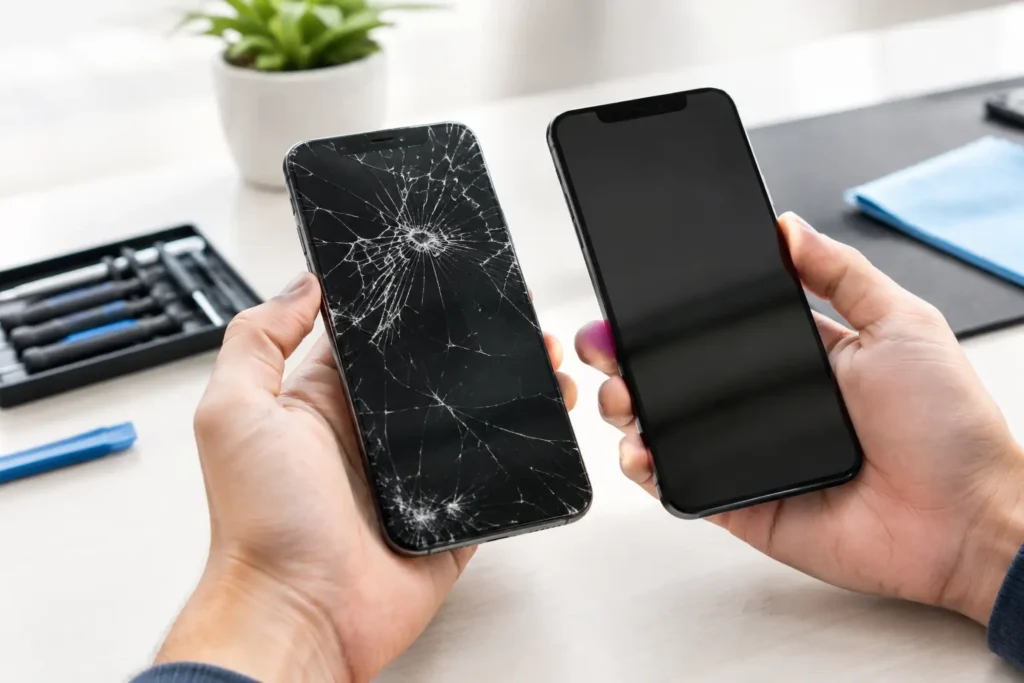
Physical damage is one of the biggest reasons. A drop can loosen internal connectors, crack solder joints or damage the board even if the outer casing looks fine. Sometimes the screen is also dead, which makes the whole phone seem lifeless when in fact the handset is still partially working.
Liquid damage is another major factor. Water, tea, coffee and even damp exposure can short components or trigger corrosion over time. The tricky part is that liquid damage does not always kill a phone instantly. A handset might keep working for hours or days before power problems begin.
Battery failure tends to be more gradual, but users often notice it only at the very end. If a phone was draining quickly, getting hot or shutting down at random before it died completely, the battery is a strong suspect.
Charging issues can come from faulty cables and plugs, but they can also point to a damaged port or power circuit. If you have already tried a known working charger and still get nothing, proper testing is the next sensible move.
When repair is usually worth it
In many cases, repair makes strong financial sense. If the problem is the battery, charging port, screen assembly or another isolated part, repair is usually far cheaper than buying a replacement device. That matters even more if your phone is a newer model or still perfectly suited to your needs.
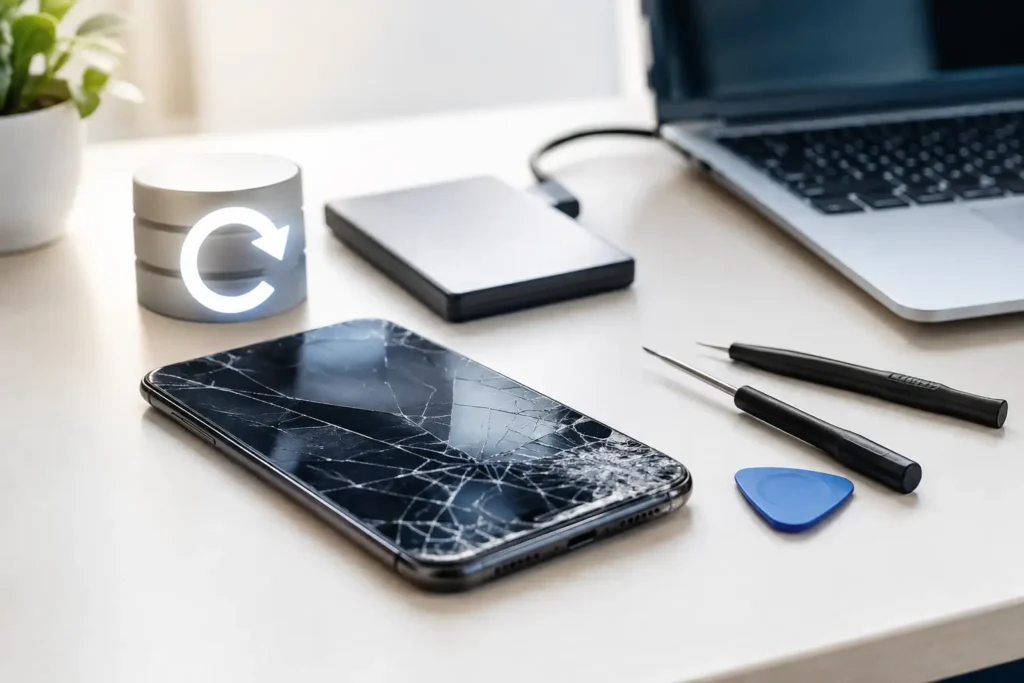
Repair is also worth considering when your data matters. Photos, messages, app logins, notes and work files can be far more valuable than the handset itself. A dead phone can often be repaired well enough to restore normal use or at least recover important data.
For local customers in Barrow-in-Furness and across Cumbria, another advantage is speed. Sending a device away to a manufacturer can mean long waits, limited communication and the real possibility of data loss if the device is swapped rather than repaired. A local repair specialist can usually give clearer answers much sooner.
When a dead phone may not be economical to fix
There are cases where repair is possible but not practical. If an older budget handset has severe board damage, heavy corrosion and a worn battery, the total cost may be too close to replacement value. The same applies if multiple parts have failed at once.
That does not mean the phone is unrepairable. It means the decision becomes about value. If the device is old and data has already been backed up, replacement may be the better route. If the phone contains important files, repair for data recovery alone may still be worthwhile.
This is where honest diagnosis matters. A good repair shop should tell you not just whether a dead phone can be repaired, but whether it should be.
What you should do before assuming the worst
Before booking a repair, there are a few sensible checks you can make. Try a different charging cable, plug and socket. Leave the phone connected for at least 30 minutes, because some deeply discharged batteries take time before showing any sign of life. On some models, a force restart can also help if the phone has frozen rather than failed.
If the phone has been dropped in water or any other liquid, stop charging it immediately. That is one of the worst things you can do, because power and moisture together can make the damage worse. Do not rely on rice either. It does not remove corrosion, and it often delays proper treatment.
If the handset is still dead after basic checks, professional diagnosis is the right next step. Guesswork usually wastes time and can turn a repairable problem into a larger one.
Can a dead phone be repaired after water damage?
Sometimes yes, sometimes no – and speed makes a real difference. Water damage is one of the most unpredictable faults because the visible symptoms rarely show the full picture. A phone may look clean on the outside while corrosion is spreading across key components inside.
Quick action gives the best chance of success. Powering the phone off, keeping it unplugged and getting it inspected promptly can limit further damage. If treatment happens early enough, a technician may be able to clean the device, replace affected parts and restore full function.
If corrosion has reached the logic board, charging circuit or storage area, the repair becomes more complex. In some cases, the aim shifts from full repair to data recovery. That still matters a great deal if the phone contains family photos, school work or business information.
Why proper diagnosis matters more than online guesswork
Search results and video tips can be useful for simple problems, but a dead phone is one of those faults where symptoms overlap. A black screen could mean a dead battery, failed display, charging issue, software crash or motherboard fault. Without testing, you are only choosing the most hopeful explanation.
A proper diagnostic process checks how the device draws power, whether key components communicate correctly, and whether the issue is isolated or part of wider damage. That is how you avoid replacing a battery when the real issue is the charging circuit, or assuming the motherboard is gone when the screen is the only failed part.
For a business, school or anyone relying on a work handset, that speed and accuracy matters. Downtime costs more than just inconvenience.
The real answer: dead does not always mean finished
A phone with no signs of life can still be a very fixable device. Batteries fail, charging ports wear out, software crashes happen and even some board faults can be repaired by the right technician. The key is not to write the phone off too quickly and not to keep trying random fixes that may make things worse.
At TechLab Repairs, this is exactly the kind of problem that needs calm, practical diagnosis rather than guesswork. If your phone has gone completely dead, the best next step is simple: get it checked properly, because the device in your hand may be much closer to a repair than you think.