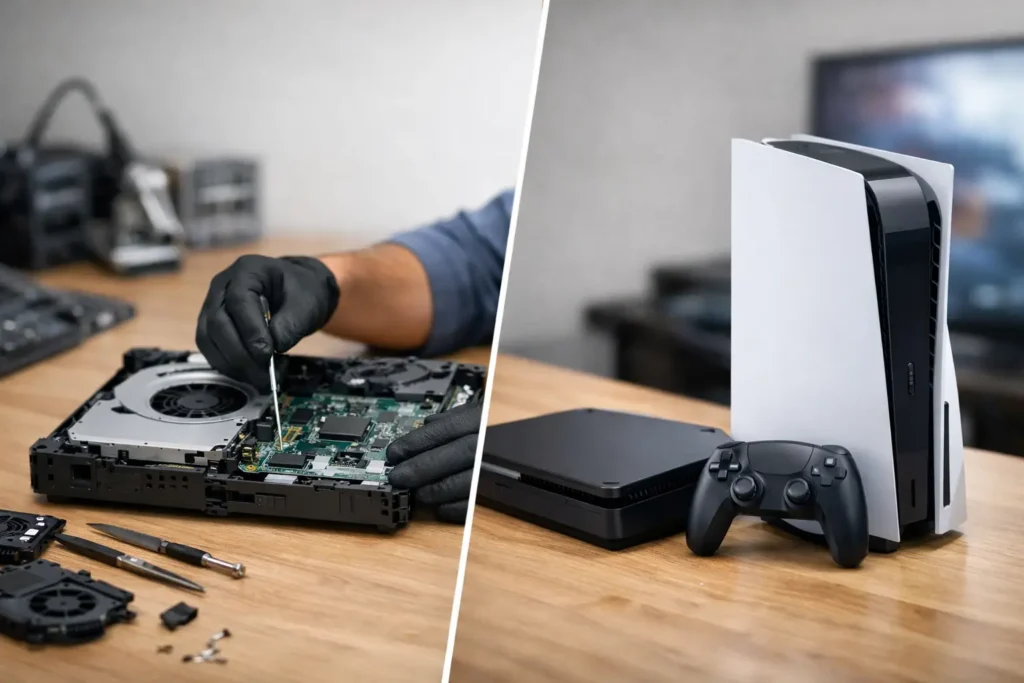
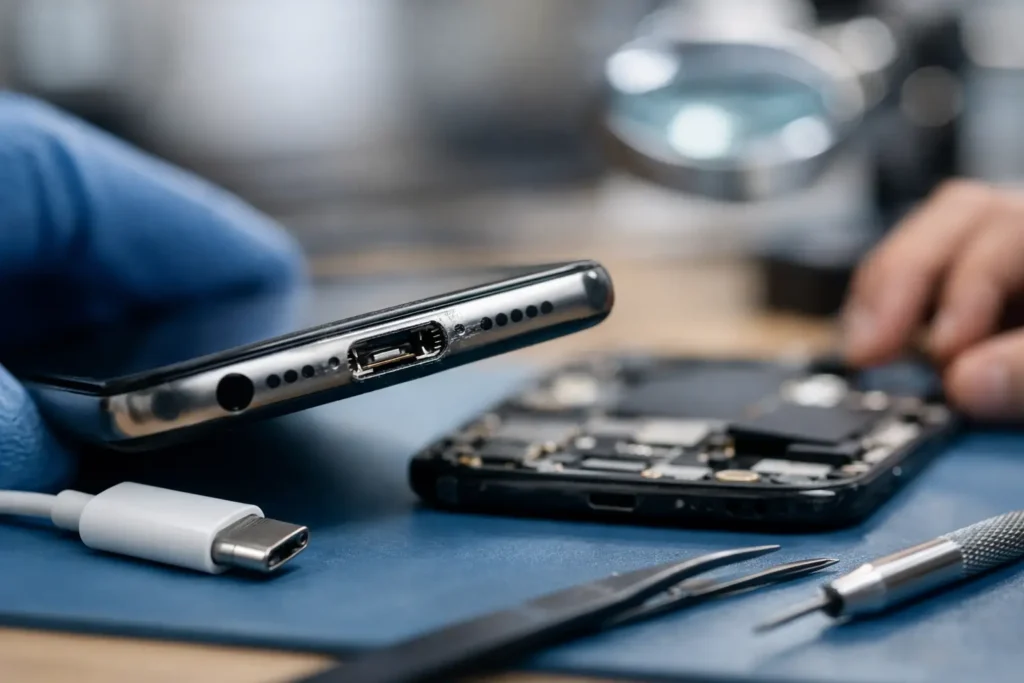
A cracked screen on Monday morning has a way of turning a simple question into an urgent one: do you pay for a repair, or do you replace the handset with something refurbished? When people compare refurbished phones or repair, they are usually not chasing the newest tech. They want the quickest, safest and most sensible fix for daily life.
That matters whether your phone is your sat nav on the A590, your banking app, your child’s link to school messages, or the device you use to run a small business. The right answer is rarely about hype. It comes down to cost, condition, reliability and how fast you need to be back up and running.
Refurbished phones or repair – what are you really choosing?
On paper, both options look like money-saving alternatives to buying brand new. In practice, they solve different problems.
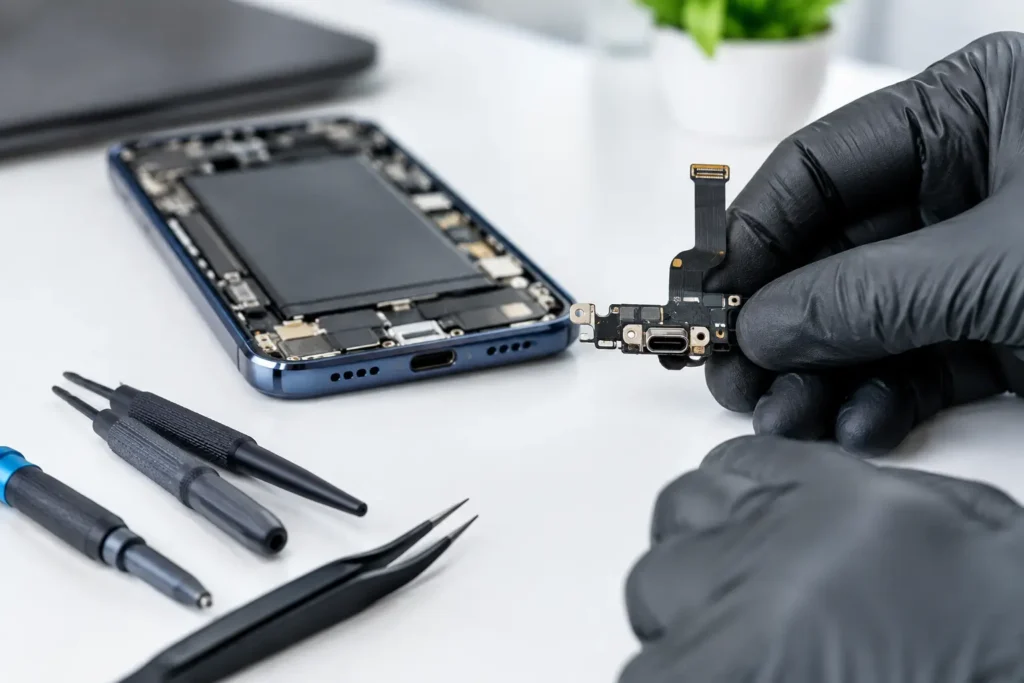
A repair keeps your current phone in service. If the issue is a broken screen, tired battery, charging fault or camera problem, repairing it can be the cheapest and least disruptive route. You keep your photos, apps, settings and familiar device, and in many cases the turnaround is far quicker than sourcing a replacement and setting everything up again.
A refurbished phone is usually the better fit when your existing handset has multiple faults, major board damage, or has simply reached the point where further spending no longer makes financial sense. It can also suit people who want an upgrade without paying new-model prices.
The mistake is assuming refurbished always means better value, or that repair is always the cheaper move. Sometimes a £70 battery replacement keeps a perfectly good phone going for another two years. Sometimes a handset with water damage, poor battery health and face recognition failure is already on borrowed time.
When repair is the smarter option
If your phone worked well before one clear fault appeared, repair is often the obvious answer. A smashed front glass after a drop is frustrating, but it does not automatically mean the whole device is finished. The same goes for weak batteries, faulty charging ports, speaker issues or rear camera faults.
Repair makes especially good sense when the phone is still relatively current. If you have an iPhone or Samsung model that still receives software updates, performs well day to day and only needs one component replaced, spending on a quality repair is usually far better value than gambling on an unknown replacement device.
There is also the convenience factor. Many people forget how much time is tied up in changing phones. You need to back everything up, move banking apps, reset passwords, pair watches, reconnect Bluetooth devices and check that all your photos and notes have transferred properly. A straightforward repair avoids most of that disruption.
For business users and schools, repair can be even more practical. Keeping existing devices in circulation helps with consistency, training and software access. It also reduces the headache of reissuing handsets and reconfiguring accounts across multiple users.
When a refurbished phone makes more sense
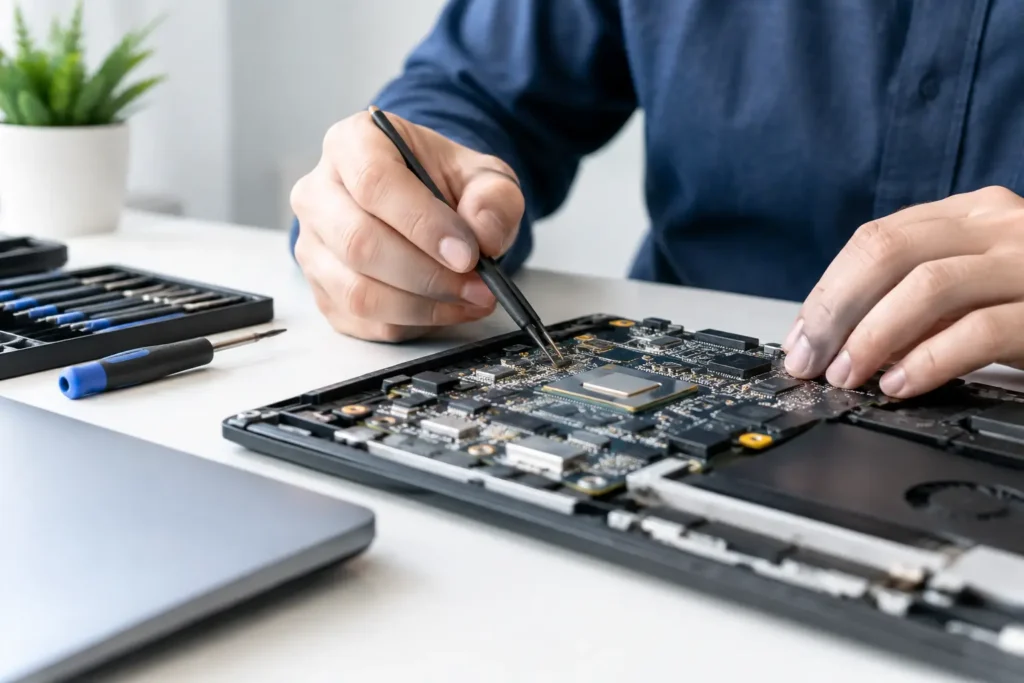
A refurbished phone starts to look more attractive when your current handset has deeper problems than one single damaged part. Logic board faults, severe liquid damage, repeated restarting, network issues and multiple failed components can push repair costs up quickly.
At that point, you need to step back and ask a simple question: if you repair this fault, what is likely to fail next? That is where honest advice matters. There is no value in putting money into a device that is already heavily worn, outdated or unreliable.
Refurbished can also be the better route if your phone is old enough that parts are harder to source, software support is ending, or performance has become too slow for what you need. If the device struggles with current apps, storage is permanently full and the battery barely lasts half a day, a newer refurbished model may offer a cleaner break and better long-term value.
That said, not all refurbished phones are equal. Some have had proper testing, battery checks and replacement parts where needed. Others are little more than second-hand phones with a wipe and a box. The headline price can look tempting, but poor battery health, hidden repairs and cosmetic grading differences can make a cheap deal less cheap over time.
The cost question most people ask too late
Most people compare the repair bill with the sale price of a refurbished phone and stop there. That is understandable, but it is only half the picture.
The better comparison is total cost over the next 12 to 24 months. A repair may cost less today and keep a dependable handset going with minimal interruption. A refurbished phone may cost more upfront, but if it gives you a newer model with stronger battery life and longer software support, it could work out better over time.
Equally, a very cheap refurbished device can become expensive if it needs a battery, screen or charging repair within a few months. Price without condition is not value.
This is why local, practical advice matters. A trustworthy repairer should be able to tell you whether your current phone is worth saving, what the likely repair outcome is, and whether replacement would genuinely be the better option. At TechLab Repairs, that kind of straight answer is what people usually want most – not a sales pitch, just the most sensible next step.
Data security changes the decision
People often focus on hardware and forget the bigger risk: their data. Your phone holds photos, emails, banking apps, saved passwords, work documents and personal messages. That can make replacement feel more stressful than the physical damage itself.
Repair has a clear advantage here. Because you keep the same handset, there is often less risk of losing access to accounts, app logins and local files. A good repair process should also involve secure handling of the device while work is carried out.
With refurbished replacement, the handover needs more care. You must ensure your old phone is backed up properly, wiped if possible, and removed from account locks before it leaves your hands. If the old handset is dead or unresponsive, retrieving data can become a separate problem altogether.
For businesses and schools, this point is even more important. Device replacement affects security settings, user access and asset tracking. Repair can be the cleaner administrative choice when continuity matters.
A few signs your phone is worth repairing
There are some common situations where repair is usually the better bet. If the device is otherwise fast and stable, if the damage is limited to one or two parts, and if the cost is comfortably below the value of replacing it with an equivalent quality handset, repair is often the sensible route.
Battery replacements are a good example. People frequently assume poor battery life means the whole phone is failing, when in reality a fresh battery can transform daily use. The same is true of charging faults caused by worn ports or damaged connectors.
Screen damage is another one. A cracked display looks dramatic, but if the phone powers on properly, responds to touch and has no deeper internal issues, replacing the screen can restore full use without the cost and hassle of changing device.
A few signs replacement may be better
If your phone has already had several repairs, has serious liquid damage, or shows signs of motherboard failure, replacement deserves stronger consideration. The same applies if the device no longer receives updates, struggles badly with current apps or has become too unreliable for work, travel or school use.
You should also be cautious about sinking money into very low-value handsets. Even a modest repair can stop making sense if the phone itself is near the end of its supported life. In those cases, a properly tested refurbished model may give you a better experience and a longer runway.
The local advantage people underestimate
When your phone breaks, speed matters. Sending devices away can mean days without a handset, uncertain communication and little visibility on what is actually being done. A local repair specialist gives you something online marketplaces and distant resellers cannot: proper conversation.
You can ask what has failed, what the fix involves, how long it should take and whether the device is truly worth the money. That matters because refurbished phones or repair is not a one-size-fits-all decision. It depends on the model, the fault, the condition and how you use the phone every day.
For people across Barrow-in-Furness, Cumbria and the Lake District, local support also means less downtime and less guesswork. If the answer is repair, you want it done quickly and properly. If the answer is replacement, you want honest guidance rather than pressure.
The best choice is the one that gets you back to normal without wasting money. Sometimes that means giving your current phone a second life. Sometimes it means moving on to a refurbished handset with better long-term value. If you are unsure, start with a proper assessment of the device in your hand – because the smartest decision is usually the one based on the fault, not the fear.