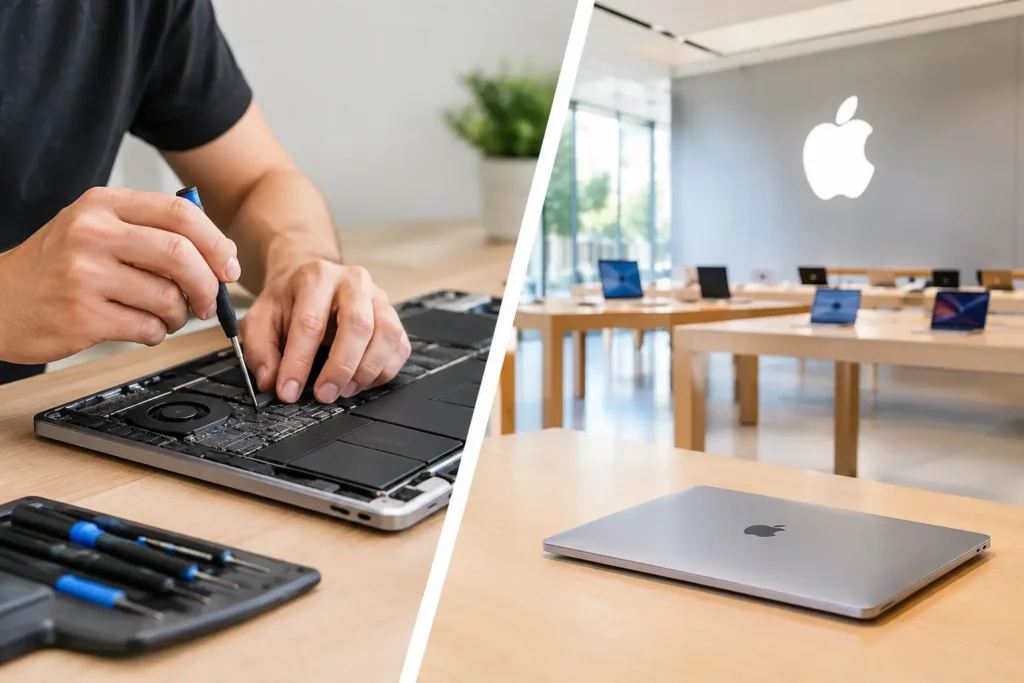
When your phone screen shatters on a Tuesday morning or your laptop stops charging the night before a deadline, the question is rarely whether you need a repair. It is whether you should use a local repair shop or send the device away. That is where the repair shop vs mail in service decision becomes more than a pricing exercise – it affects downtime, risk, convenience and peace of mind.
For most people, the right answer depends on what has failed, how quickly you need the device back and how comfortable you are posting away something that may hold your photos, work files, banking apps or school data. Some jobs suit a mail-in model perfectly. Others are far better handled face to face by a local technician who can inspect the device in front of you.
Repair shop vs mail in service for everyday repairs
If the issue is something common and urgent, a repair shop usually has the edge. Screen replacements, battery replacements, charging port repairs, HDMI port faults and many power issues are often diagnosed and completed much faster when the device is physically brought in. There is no boxing it up, arranging postage, waiting for delivery, then waiting again for return shipping.
That speed matters more than many people expect. A broken phone is not just an inconvenience. It can affect two-factor logins, work calls, maps, family messages and online banking. A faulty laptop can stop coursework, business admin and remote work. In those cases, shaving days off the process is often worth more than a small saving on paper.
Mail-in services can still work well when the repair is specialist, the brand has a central workshop, or you live somewhere with limited local options. If a device needs rare parts or advanced board-level work not offered nearby, posting it to a specialist can be sensible. But if you already have an experienced repair shop within reach, local service is often the more practical route.
Speed is usually the biggest difference
The clearest dividing line in the repair shop vs mail in service debate is turnaround time. Even when a mail-in provider is efficient, the clock starts with packaging, courier collection or drop-off, transit to the workshop, intake checks, queue time, repair, testing and return transit. That can be absolutely fine for a backup device or something non-essential. It is far less appealing when it is your main phone or work laptop.
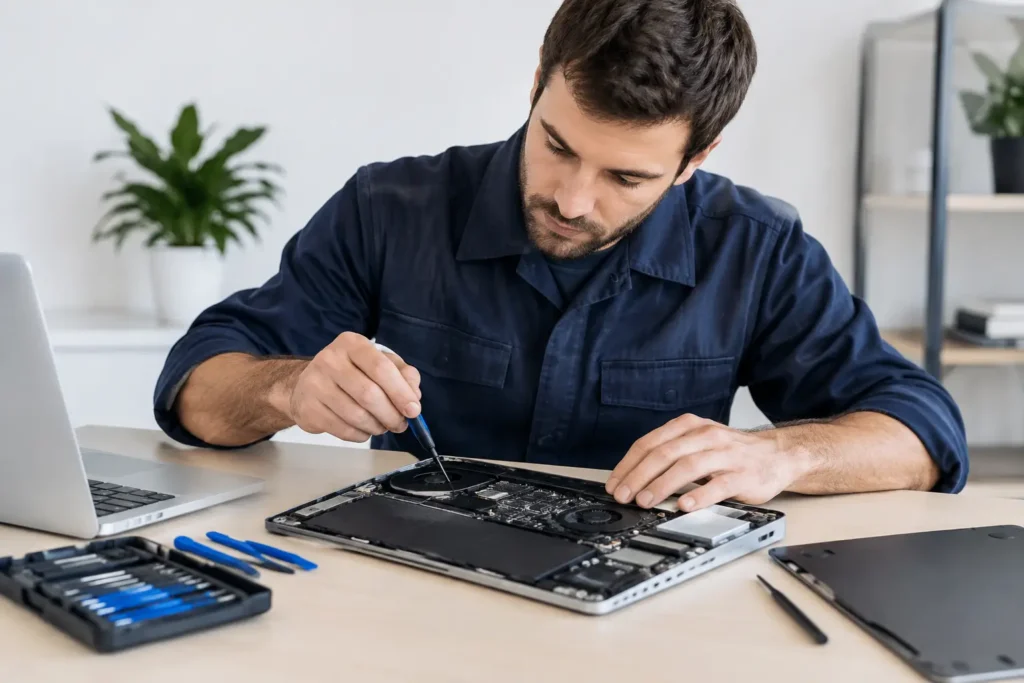
A local repair shop can often compress the whole process because the device is already on site. In many cases, diagnosis happens the same day. Straightforward repairs can be completed quickly if parts are in stock, and even more complex faults are easier to explain once a technician has seen the hardware in person.
There is also less uncertainty. With a walk-in service, you can ask what the fault looks like, whether the repair is worthwhile and what turnaround is realistic. With mail-in, there is naturally more waiting between updates.
When mail-in speed is good enough
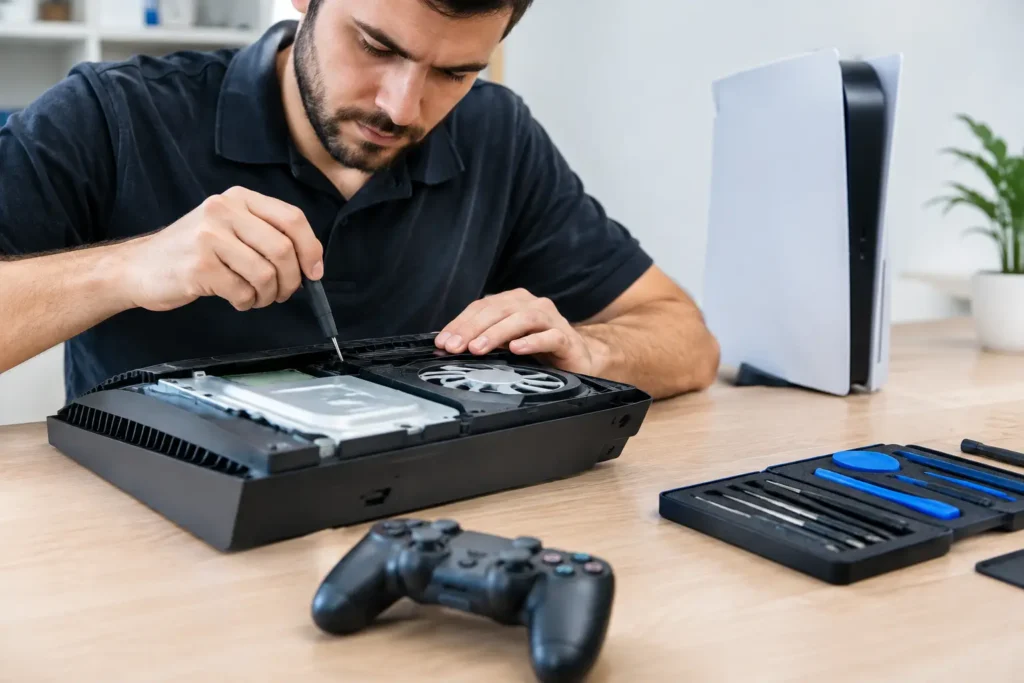
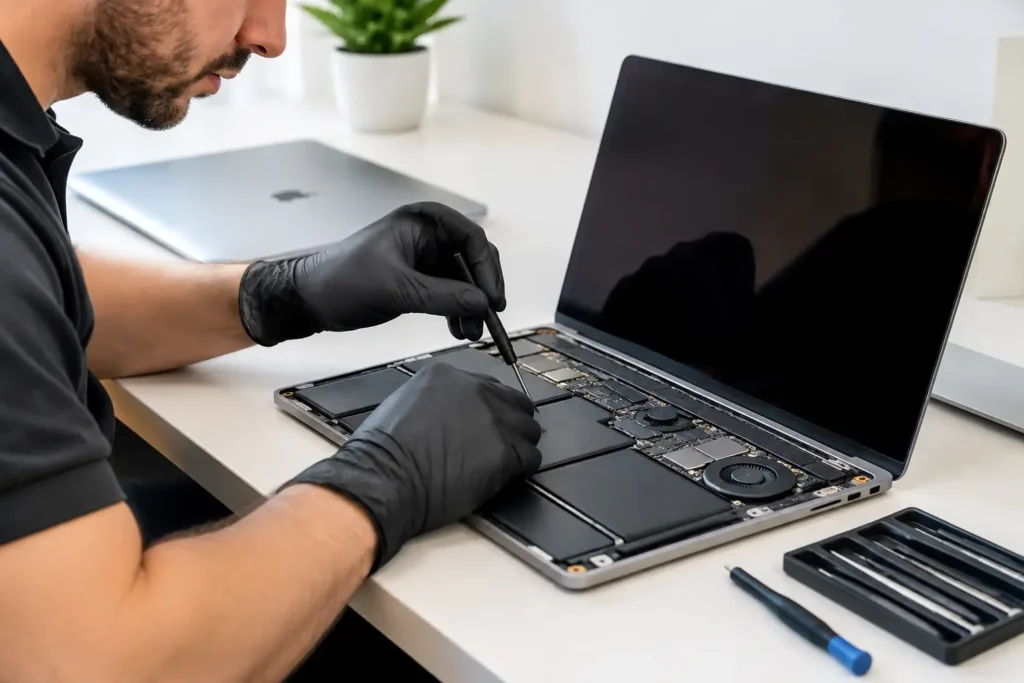
Mail-in makes more sense when the device is not mission-critical, when you have a spare, or when the repair requires a niche capability not offered locally. If your retro console, liquid-damaged MacBook or board-level fault needs a very specific repair bench, a reputable mail-in specialist may still be the best option. The key is recognising that good enough turnaround is not the same as fast turnaround.
Cost is not always as straightforward as it looks
A lot of customers begin with price, which is understandable. But comparing quotes properly means looking beyond the headline figure. A mail-in service may appear cheaper until you factor in tracked shipping, protective packaging, insurance and the cost of being without the device for longer. If you need a temporary replacement or lose work time while waiting, the cheaper quote may not feel cheaper anymore.
A local repair shop can be better value because the process is simpler. You can discuss the fault, approve the work and collect the device without courier costs or shipping delays. You are also more likely to get a realistic answer on whether the repair is worth doing at all.
That matters with older devices. Spending money on a low-value laptop with multiple underlying faults may not be the smartest move, and a good local technician will usually tell you that plainly. Honest advice is part of the value.
Risk and data security deserve more attention
People often worry about physical damage in transit, and rightly so. Even well-packaged devices can be knocked around during delivery. Claims processes can be awkward, especially if there is already visible damage. If your phone or tablet is fragile to begin with, posting it adds another layer of risk before the repair even starts.
Then there is the data side. Phones, laptops and tablets contain far more than contacts and photos. They hold saved passwords, work emails, personal messages and app access. For schools and businesses, the stakes are even higher. Handing over a device always requires trust, whether local or mail-in, but a nearby repair shop can feel more accountable because you know where the device is and who is handling it.
A reputable provider should be clear about data handling, diagnostics and privacy. If they are vague, that is a warning sign. Whether you choose local or mail-in, ask direct questions and expect direct answers.
Face-to-face service reduces uncertainty
One of the biggest strengths of a local repair shop is that you can speak to someone before you commit. You can show the fault, explain what happened and ask whether there is likely to be hidden damage. For water exposure, intermittent charging, overheating or previous repair attempts, those details matter. A posted device cannot have that back-and-forth in the same way.
For many customers around Barrow, Furness and the wider Cumbria area, that reassurance is a major reason to stay local. TechLab Repairs sees this every day – people want a practical answer, not a vague promise and a tracking number.
Complex faults are not automatically better by mail
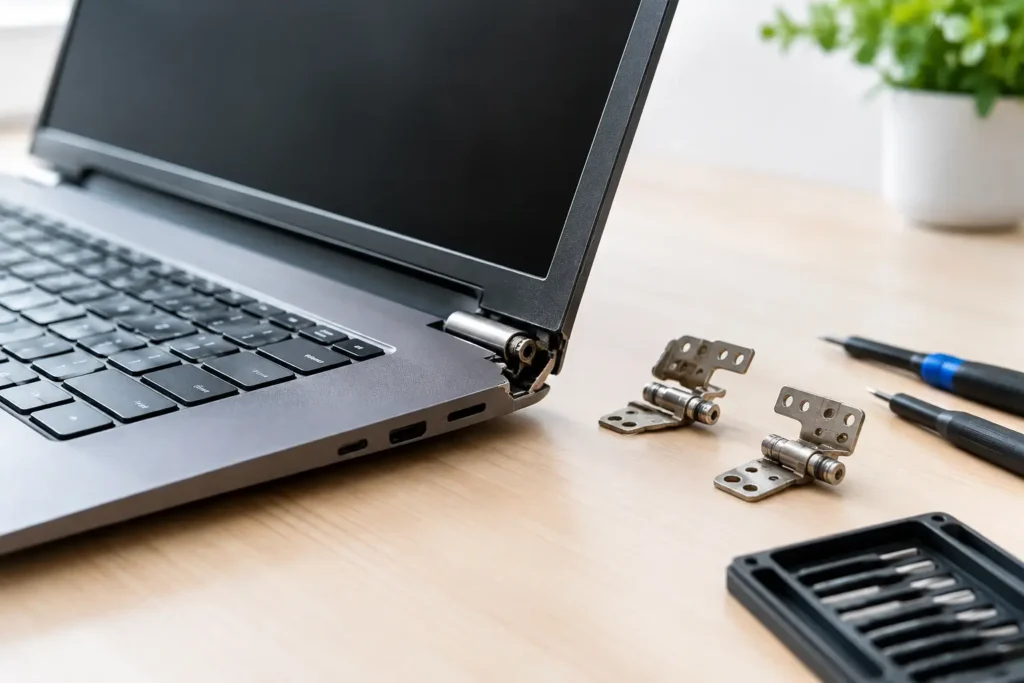
There is a common assumption that posting a device away means a more advanced repair. Sometimes that is true. Often it is not. Plenty of local repair shops handle logic board faults, charging issues, liquid damage and console HDMI repairs in-house. The real question is not whether the service is local or mail-in. It is whether the technician has the experience, tools and parts support to do the job properly.
That is why asking the right questions matters. Have they worked on your model before? Do they offer a warranty on the repair? Will they contact you if they discover secondary damage? Can they recover data if the device will not power on? These questions tell you more than the delivery method ever will.
Mail-in becomes attractive when there is a genuine specialist advantage. If the provider is known for a very narrow class of repairs and your issue fits that class exactly, it may be worth the extra wait. But for the majority of common consumer repairs, local capability is often stronger than people assume.
Convenience depends on your routine
At first glance, mail-in sounds easier. Book online, print a label, send the device, wait for it back. For some customers, especially those with packed schedules or mobility considerations, that is genuinely convenient.
But local convenience is different rather than lesser. A nearby shop lets you drop off before work, collect on the way home and speak to someone if your plans change. If the diagnosis shows the repair is uneconomical, you find out quickly. If a part needs ordering, you can make an informed choice without a long chain of emails.
For businesses and schools, local support is usually far more practical. Device batches, recurring faults, urgent staff equipment and safeguarding concerns all favour a provider who can communicate clearly and respond quickly. Sending multiple devices away individually is rarely the smoothest way to manage operational hardware.
So which should you choose?
If your device is essential, the fault is common, and you want speed, accountability and clear communication, a local repair shop is usually the better option. If the repair is highly specialist, you have time to spare and the mail-in provider offers expertise you cannot get locally, posting it away can make sense.
The best choice is the one that matches the value of the device, the urgency of the repair and your tolerance for delay and risk. Not every cracked screen needs a national service centre. Not every logic board fault needs to leave the county either.
A broken device already causes enough disruption. The repair process should reduce stress, not add to it. If you can get fast, honest advice from a trusted local specialist, that is often the smartest place to start.