A cracked iPhone screen on Monday morning, a laptop that will not charge before coursework is due, or a games console that suddenly stops showing a picture – this is when the independent repair vs manufacturer service question becomes real. Most people are not weighing theory. They just need their device working again, quickly, safely and without paying more than they need to.
The good news is that there is no single right answer for every repair. Sometimes the manufacturer is the better route. Sometimes an experienced independent repair shop is the smarter choice. What matters is knowing what changes between the two, and what those differences mean for your time, your money and your data.
Independent repair vs manufacturer service: what is the real difference?
At a basic level, manufacturer service means going through the brand itself or its official network. That often includes booked diagnostics, centralised repair processes and rules that follow the manufacturer’s own policies. For newer devices under warranty, this can make perfect sense.
Independent repair means using a specialist local repair business that works on a wide range of faults and devices outside the manufacturer’s own service chain. A strong independent repairer can often handle everything from screen and battery replacements to charging faults, liquid damage, board-level issues and console HDMI repairs.
The biggest difference is not just who does the work. It is how the repair is approached. Manufacturers tend to follow standardised repair paths. Independent specialists are often more flexible, more local and more focused on practical fault resolution rather than replacement by policy.
Cost is usually where people start
For many customers, price is the first thing they compare, and fairly so. A repair has to make financial sense. If a device is out of warranty, manufacturer pricing can sometimes feel close to the cost of replacing the device altogether, especially for older phones, tablets and laptops.
Independent repair is often more affordable because the overheads and service model are different. Local repair shops are usually set up to fix the exact fault rather than steering every problem into a full-unit replacement or a higher-cost standard service option. That can make a major difference if the issue is a battery, charging port, screen, HDMI port or a single damaged component.
That said, cheaper is not always better. A very low quote can be a warning sign if there is no clear explanation of parts quality, no testing process and no repair guarantee. The best value comes from a repair that lasts, not simply the lowest number on the page.
Speed matters more than most people expect
When your phone is your camera, bank, sat nav and work device, being without it for a week is not a small inconvenience. The same goes for business laptops, school devices and family tablets that everyone relies on.
Manufacturer service often involves sending devices away, waiting for booking slots or moving through a formal intake process. That may be acceptable if you have a spare device or the issue is minor. It is less appealing if you need a fast turnaround.
Independent repair shops usually have the edge here. Because they are local and focused on active repairs rather than a national queue, many can diagnose and complete common jobs far more quickly. A screen replacement, battery change or charging fault may be turned around the same day or next day, depending on parts and workload.
For businesses and schools, that speed can have an even bigger impact. Fewer lost devices and less downtime often matter as much as the repair bill itself.
Parts, quality and expectations
This is one of the most misunderstood areas in the independent repair vs manufacturer service debate. People often assume manufacturer service always means better quality and independent repair always means a compromise. Realistically, it depends on the repairer and the device.
Manufacturers work within tightly controlled parts and procedures. That gives predictability, which many customers like. If your device is under warranty or part of a service programme, this route can be especially attractive.
Independent repair quality can vary, but a reputable specialist should be upfront about the parts used and the expected result. On some repairs, there may be different part grades available, which allows customers to balance budget and performance. On others, high-quality replacement parts and skilled fitting deliver results that are exactly what most people need – reliable, cost-effective and sensible for the age of the device.
The key is transparency. If a repairer cannot explain what part is being fitted, what functionality to expect afterwards and what guarantee comes with the work, keep asking questions.
Warranty is important, but it is not the whole story
If your device is still covered by the manufacturer warranty, going direct may protect that coverage in a way that matters for future claims. In those cases, it often makes sense to check your official options first.
But once a device is older or already out of warranty, the calculation changes. At that point, customers are usually deciding based on cost, speed and whether the repair is worth doing at all.
A good independent repairer should offer a clear warranty on their own workmanship and fitted parts. That is not the same as a manufacturer warranty, but it is still an important mark of confidence. It shows the business expects the repair to hold up in normal use.
For plenty of customers, especially with older iPhones, Samsung handsets, laptops and consoles, that practical repair guarantee is more useful than paying extra for an official route that no longer offers much financial sense.
Data security deserves more attention
People worry about parts and price, but often forget the most sensitive thing in the device is the information on it. Family photos, work files, messages, saved logins and school documents matter more than the hardware in many cases.
Manufacturer service may involve wipe policies or replacement workflows that do not prioritise preserving your data, especially if the device is swapped rather than repaired at component level. That is sometimes fine if you have a full backup. Sometimes, people discover too late that they do not.
An experienced independent repair specialist can often provide a more repair-first approach, which may help preserve the original device and reduce the risk of unnecessary data loss. Of course, no repair route can promise data safety in every fault condition, particularly after severe liquid damage or board failure, but careful local handling and clear communication make a big difference.
For business clients and schools, this is even more serious. Secure handling, sensible diagnostics and trust in who is physically dealing with the device can outweigh the perceived safety of simply sending it away.
Some repairs suit independents particularly well
Not every fault needs the manufacturer. In fact, many of the repairs people need most are exactly the kind of jobs a capable local specialist handles every day.
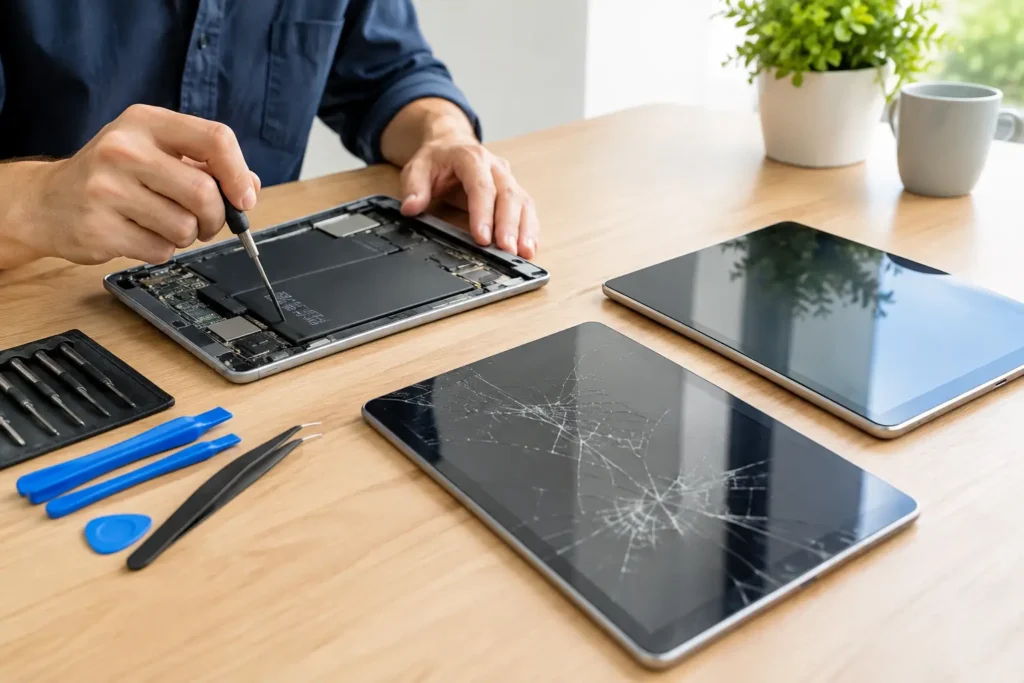
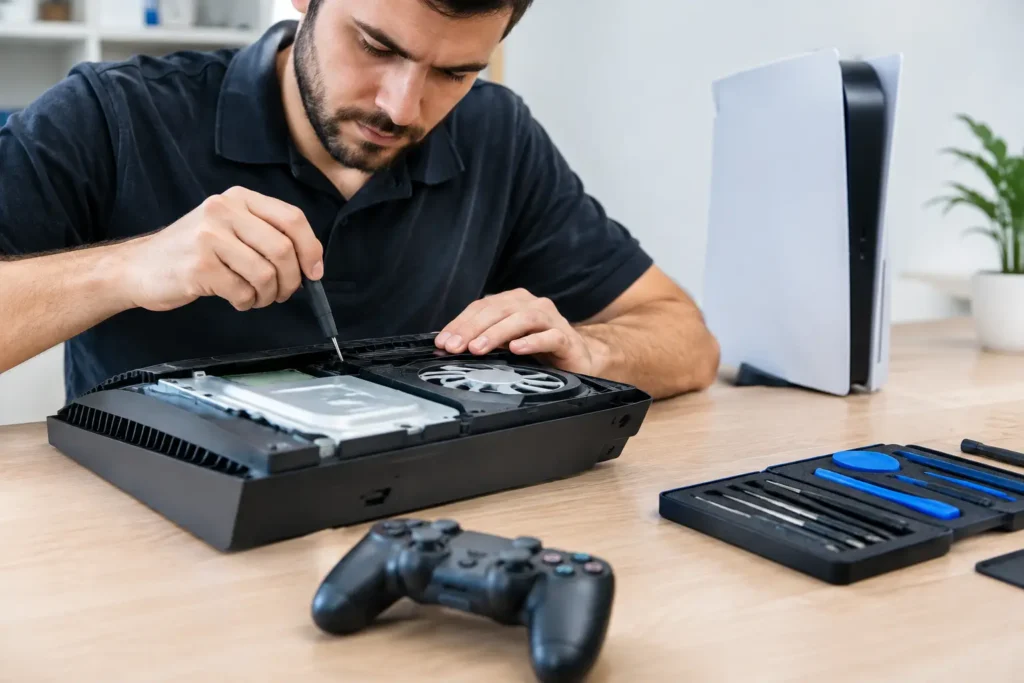
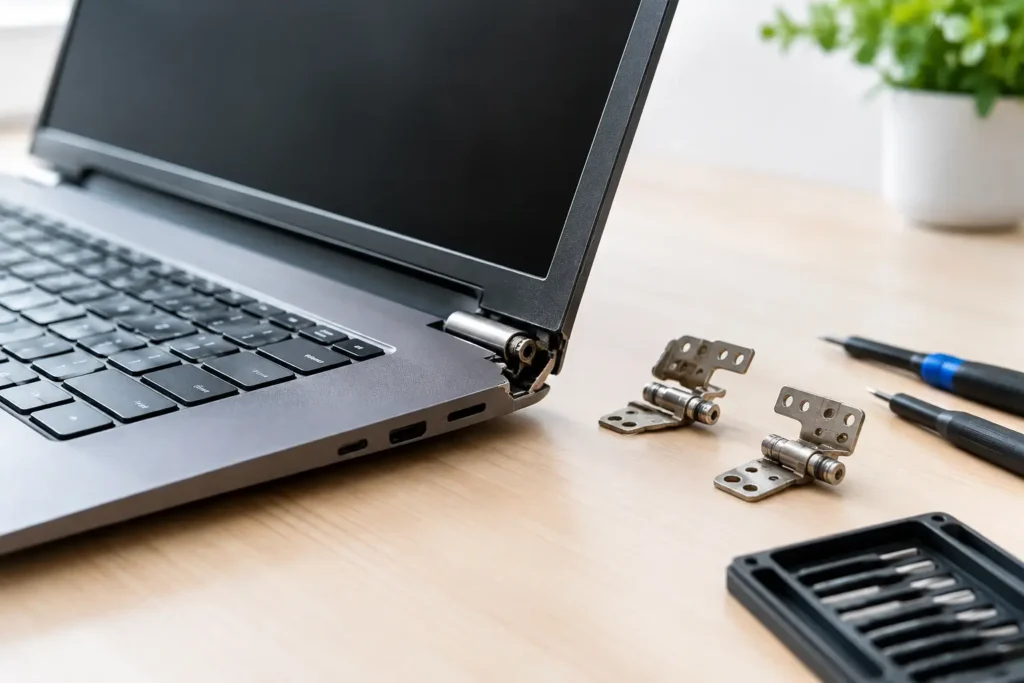
Cracked screens, worn batteries, charging problems, laptop power faults, broken console HDMI ports and liquid damage assessment are often well suited to independent repair. These are practical, common faults where speed, honest pricing and good workmanship matter most.
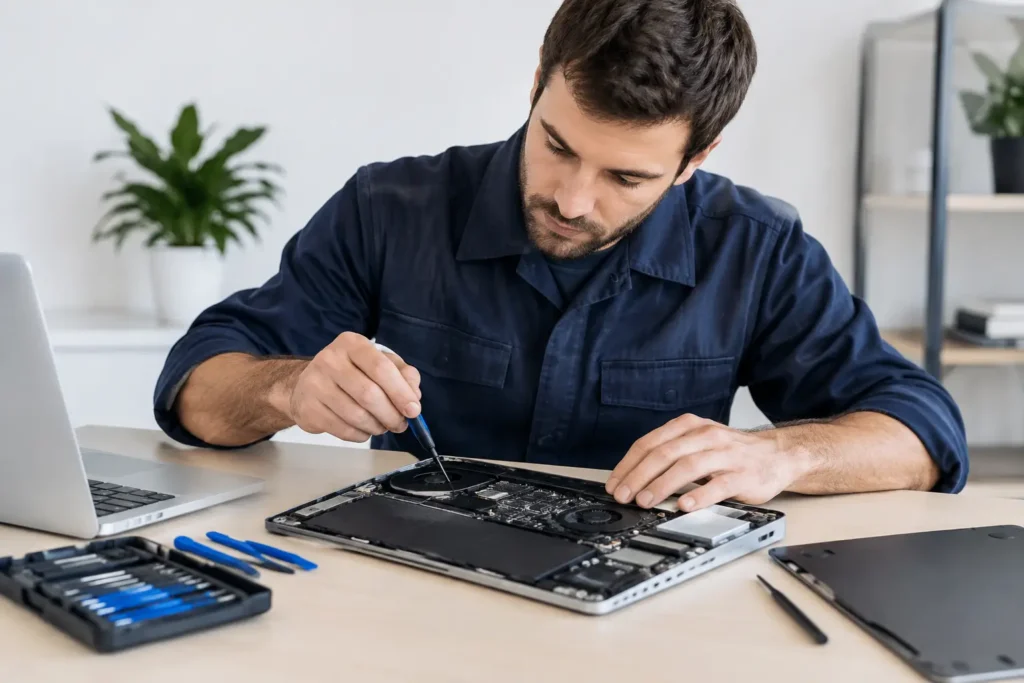
Board-level fault finding is another area where independents can shine. Manufacturers may prefer broader replacement policies, while a skilled repair technician may isolate the actual failed component and repair the original board. That can save money and rescue devices that would otherwise be written off.
When manufacturer service may be the better option
There are still situations where the official route is the smarter move. If the device is very new, covered by a live manufacturer warranty, subject to a recall or part of an official service programme, starting there is sensible.
Manufacturer service can also be the right choice if the repair involves a known issue the brand already recognises, or if preserving official warranty status is your top priority. Some customers simply feel more comfortable dealing directly with the brand, and peace of mind matters.
The point is not that independent is always better. It is that official service is not automatically better for every person, every budget or every fault.
How to choose without overthinking it
Start with four practical questions. Is the device still under manufacturer warranty? How quickly do you need it back? Is your data backed up? And does the repair cost make sense compared with the value of the device?
Then look at the repairer, not just the category. A good independent specialist should explain the fault clearly, give a realistic turnaround, be transparent on parts, and stand behind the work. That matters far more than a label alone.
For people across Barrow, Furness and the wider Cumbria area, local support often wins on convenience as well. Being able to speak to a real technician, ask questions in plain English and get a straightforward answer removes a lot of the stress. That is a big part of why businesses such as TechLab Repairs exist in the first place – to give people a reliable option between expensive replacement and slow, impersonal service chains.
If your device is broken, the best route is usually the one that gets you back up and running with the least disruption and no nasty surprises. Choose the repair service that treats your time, your money and your data as if they matter – because they do.