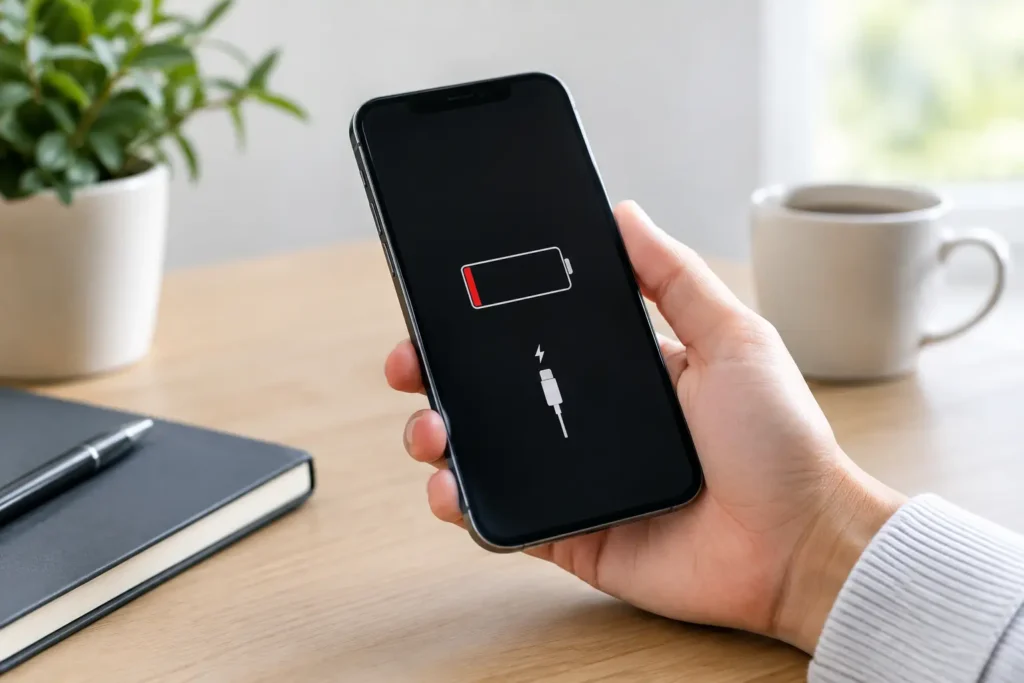
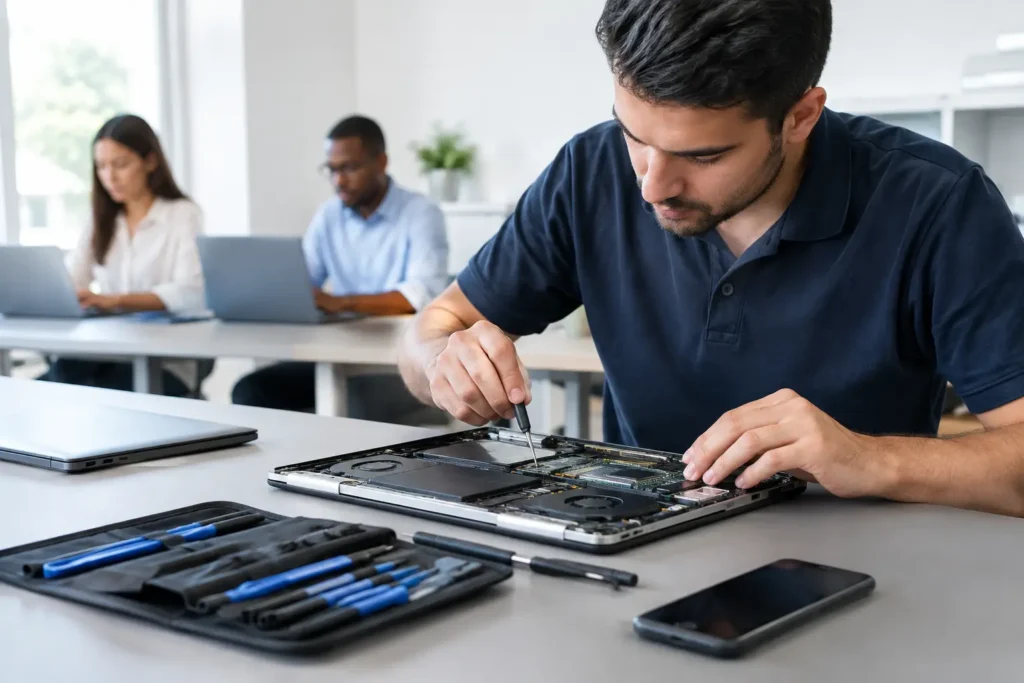
That sinking feeling usually starts with a crack, a battery that will not last until lunch, or a mobile phone that suddenly stops charging the night before work. When you are standing there weighing up your options, the real question is simple: is mobile phone repair cheaper than replacement? In many cases, yes – but the right answer depends on the fault, the mobile phone’s age, its overall condition, and how long you need it to keep going.
For most people, replacing a mobile phone is the biggest expense by far. A new handset can cost hundreds of pounds, and that is before you factor in accessories, setup time, data transfer, and the hassle of getting everything back the way you like it. Repair, by contrast, usually targets the one part that has failed. If the rest of the device is sound, that can make repair the far better value.
Is mobile phone repair cheaper than replacement in real life?
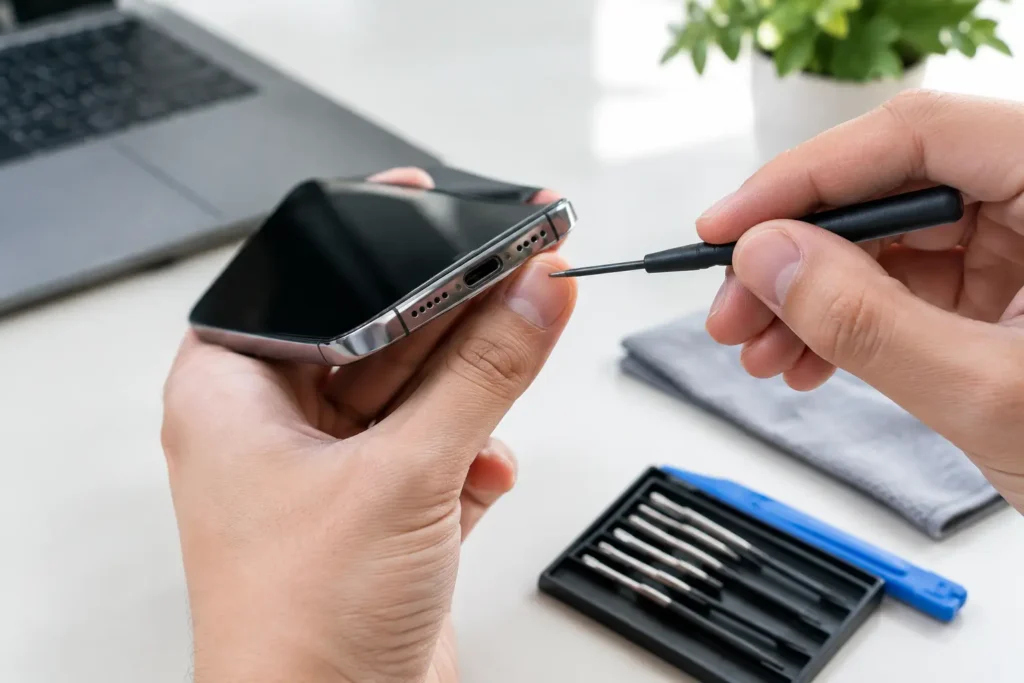
If your screen is cracked but the mobile phone still performs well, repair is nearly always the cheaper route. The same applies to battery replacements, charging port faults, speaker issues, camera glass damage, and many power-related problems. These are common faults with defined repair paths, which means the cost is usually a fraction of buying a new handset.
Where people get caught out is assuming any fault means the whole mobile phone is finished. That is not always true. A mobile phone that will not turn on might still be repairable. A device exposed to liquid may still be saved if treated quickly. Even some logic board faults can be fixed for less than the cost of replacing a mid-range or premium phone.
That said, there are situations where replacement makes more financial sense. If a handset has multiple faults at once, is already very old, and would still be unreliable after repair, spending money on it may not be wise. A good repair decision is not just about the cheapest bill today. It is about value over the next six to twelve months.
The repairs that usually save you the most money
Screen replacements are one of the clearest examples. A cracked front glass might look disastrous, but if the mobile phone is otherwise healthy, replacing the screen is almost always cheaper than buying another device of similar quality. This is especially true for newer iPhones and Samsung models, where replacement costs can be significant.
Battery replacements are another strong case for repair. Many people replace a phone simply because it no longer holds charge, when the actual issue is a worn battery rather than a failing handset. Fitting a new battery can extend the life of a phone considerably and restore day-to-day usability for much less than the price of a new model.
Charging port repairs also tend to offer good value. If your mobile phone charges only at a certain angle or stops connecting properly, the fault may be localised to the port. Fixing that specific issue is usually more economical than replacing the whole device.
Back glass damage, camera faults, button failures, microphones, speakers, and earpiece issues can also often be resolved cost-effectively. These are the sorts of problems where a proper diagnosis matters. What looks like a major fault may actually be a straightforward repair.
When replacement might be the better option
Repair is not automatically the right choice every time. If your mobile phone is several years old, has a poor battery, cracked screen, failing cameras, and intermittent charging, separate repairs can start to stack up. Even if each issue is fixable, the total spend may not be sensible compared with replacing the handset.
Software support also matters. If your device no longer receives important updates, repairing the hardware may only solve part of the problem. The phone might work again, but it could still feel slow, outdated, or less secure than you want for banking, work, or school use.
There is also the question of resale value. Putting money into a device with very little market value can be hard to justify unless you only need it to last a bit longer. In that case, a modest repair can still be worthwhile. But if you are hoping to get another three years from a phone that is already at the end of its natural life, replacement may be the more realistic option.
Cost is not the only thing you should compare
The price on the repair ticket is only part of the story. Replacing a phone often comes with hidden costs in time and inconvenience. You may need to transfer photos, apps, banking details, passwords, two-factor authentication settings, and work accounts. You might need a new case, a new charger, or even a new contract if your current deal is ending.
Then there is the question of data. For many people, the biggest worry is not the handset itself but what is on it. Family photos, work messages, school documents, notes, and app logins all matter. A successful repair lets you keep your device, your setup, and your data where it already is. That continuity is worth a great deal, especially if you rely on your mobile phone every day.
For business users and schools, the case for repair can be even stronger. Replacing multiple devices quickly becomes expensive, and each replacement means setup time, account configuration, and disruption. Targeted repairs can keep teams working with less downtime and better control of budgets.
How to judge whether a repair is worth it
A simple way to look at it is this: if the repair cost is much lower than replacing the phone with a similar model in similar condition, repair is usually worth considering first. But cost alone is not enough. You should also ask how old the phone is, whether it has any other known faults, and how well it meets your needs when it is working properly.
If you are happy with the mobile phone’s speed, camera, storage, and performance, repairing a single fault often makes perfect sense. If you were already frustrated with it before the damage happened, replacement may feel like better value.
A proper assessment makes all the difference. Honest advice should not push you into a repair that is poor value. Sometimes the best service is telling a customer that replacement is the smarter option. At TechLab Repairs, that sort of practical, straight answer is exactly what local customers need when a device problem catches them off guard.
Why cheaper does not mean cutting corners
People sometimes worry that choosing repair over replacement is a compromise. It does not have to be. A quality repair carried out properly can restore a device to reliable daily use without the cost of a full upgrade. The key is the quality of parts, the standard of workmanship, and whether the fault has been diagnosed correctly in the first place.
Fast turnaround matters too. Sending a phone away for days or weeks can make replacement look more attractive simply because you need a working device now. Local repair support changes that calculation. When repair is quick, affordable, and handled securely, it becomes the obvious first choice for many common faults.
So, is mobile phone repair cheaper than replacement?
Most of the time, yes. If you have a cracked screen, weak battery, charging issue, or another isolated hardware fault, repair is usually cheaper than buying a replacement mobile phone. It can also be quicker, less disruptive, and better for keeping your data and day-to-day setup intact.
The exception is when the handset has several serious issues, is already outdated, or would still be poor value even after repair. That is why the best next step is not guessing. It is getting the mobile phone checked by someone who can tell you clearly what has failed, what it will cost to fix, and whether the repair is genuinely worth doing.
A broken mobile phone does not always mean you need a new one. Quite often, it just means you need the right fix – and that can save you far more than you expect.