A smashed screen at 8am can feel like a full-day disaster by 8.05. If you use your phone for work, school runs, banking, maps and messages, the first question is usually the same – how long does phone repair take?
The honest answer is that it depends on the fault, the model and whether the parts are ready to go. Some jobs are genuinely quick. Others need more time because the issue goes deeper than the obvious damage on the surface. A good repair shop should tell you that upfront, not promise the impossible just to get you through the door.
How long does phone repair take for common faults?
For the most common repairs, turnaround is often faster than people expect. Screen replacements and battery replacements are usually among the quickest jobs, especially on popular iPhone and Samsung models where parts are commonly kept in stock. In many cases, these can be completed the same day, and sometimes within a couple of hours depending on workload.
Charging port repairs can also be relatively quick, but only if the fault is straightforward. Sometimes the port just needs replacing. Sometimes the real issue is a board-level fault, damage from moisture, or debris compacted inside the port. That is why one customer may be in and out the same afternoon while another needs a longer diagnosis first.
Camera repairs, speaker faults and button issues often sit in the middle. They are not always difficult, but they do require careful disassembly and testing. If the phone has already been dropped hard, there may be more than one component affected.
Liquid damage is where timelines become far less predictable. If a phone has been exposed to water, tea, rain or a spill in a bag, the repair is no longer just about replacing one part. The device usually needs to be opened, cleaned, inspected and tested properly before anyone can say whether it is recoverable and how long it will take.
What affects repair time?
The biggest factor is the type of repair, but it is not the only one. Phone model matters too. Newer and more common devices are generally easier to turn around quickly because parts are more readily available. Older models can be simpler to work on, but parts supply is sometimes less reliable. Less common handsets may need components ordering in.
The condition of the phone also changes the timeline. A cracked screen on an otherwise healthy handset is one thing. A cracked screen plus bent frame, battery swelling and face recognition issues is another. What looks like one repair can become two or three once the device is opened safely.
Parts availability is another major factor. If the required part is in stock, repair can move quickly. If it needs sourcing, that adds time even when the actual fitting only takes an hour or two. This is especially relevant for premium models, older handsets, unusual colours or devices that have already had previous third-party work.
Then there is testing. Fast turnaround is useful, but not if it means handing back a phone that has not been checked properly. After a repair, the device should be tested for charging, touch response, cameras, speakers, microphones and other relevant functions. That final stage is part of the repair, not an optional extra.
Same-day repair versus longer repairs
Same-day repair is realistic for many routine jobs, and that is often what people need most. If your screen is cracked but the phone is otherwise working normally, or your battery health has dropped off and the handset powers on as expected, same-day turnaround is often possible.
Longer repairs usually involve diagnosis rather than simple replacement. Phones that do not turn on, restart randomly, overheat, fail to charge properly or show signs of liquid ingress need more careful fault-finding. Board-level repairs can take longer because the technician has to identify the exact failed component before any repair can even begin.
This is where clear communication matters. Quick service is great, but realistic service is better. If a shop explains why your phone needs more time, that is usually a good sign they are taking the repair seriously.
Screen repairs are often the quickest
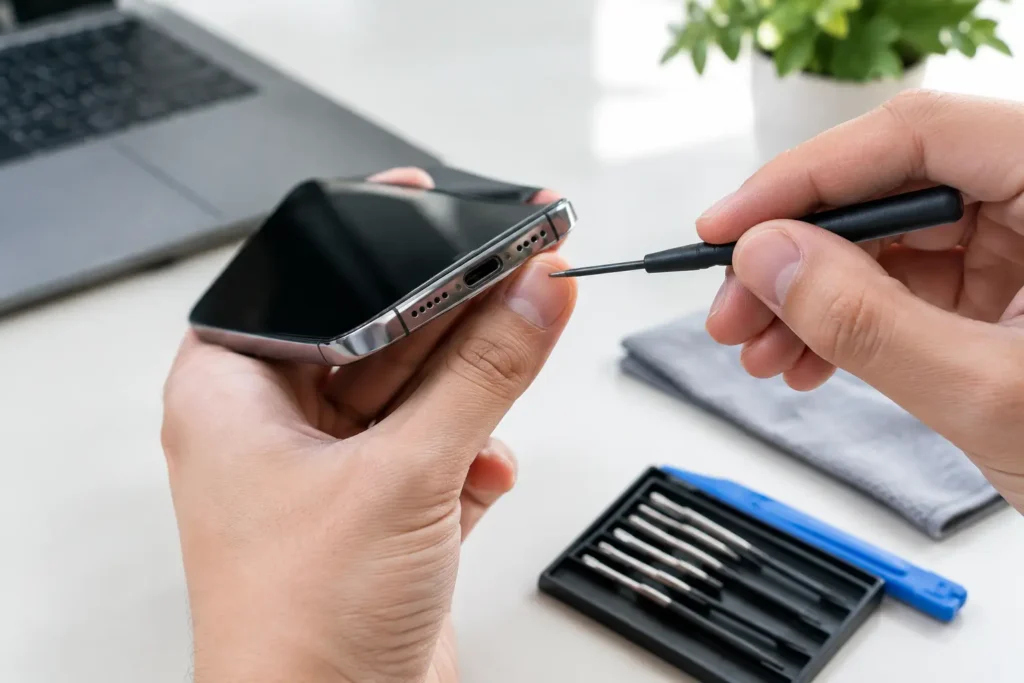
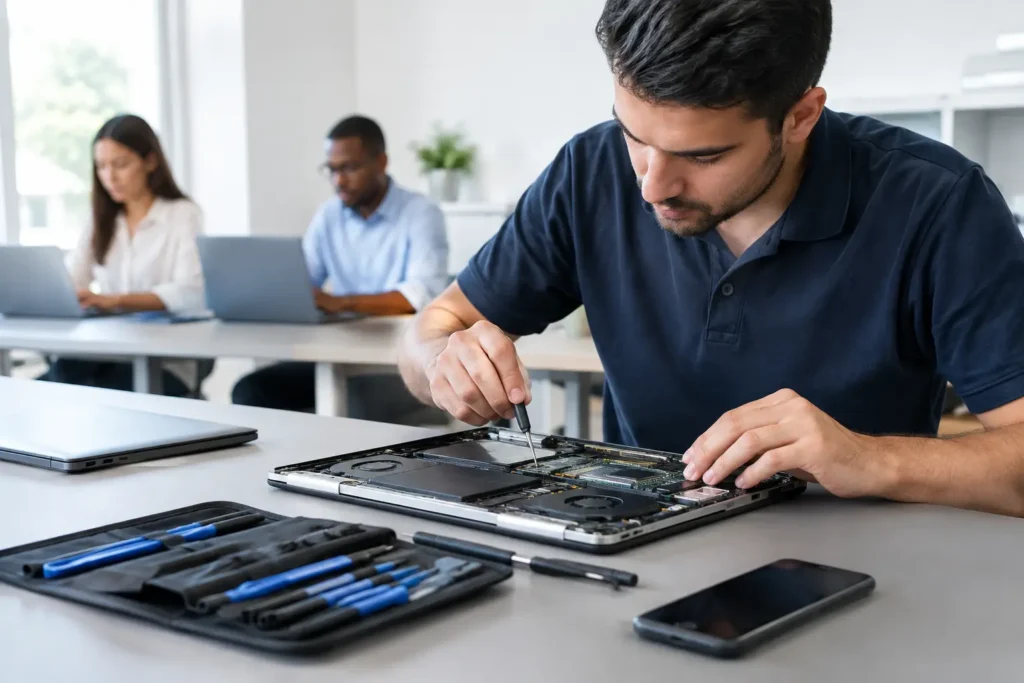
Screen damage is one of the most common issues brought into a repair shop, and it is often one of the fastest to fix. For many popular phones, the process is well established: remove the damaged display, fit the new part, seal the device and run post-repair checks.
That said, not every cracked screen is a simple screen repair. On some phones, impact damage can affect the frame, front camera, earpiece speaker or touch layer. If the frame is bent, the new screen may not fit correctly until that is addressed. If there is hidden damage, the repair time can stretch beyond the standard estimate.
Battery replacements are usually straightforward
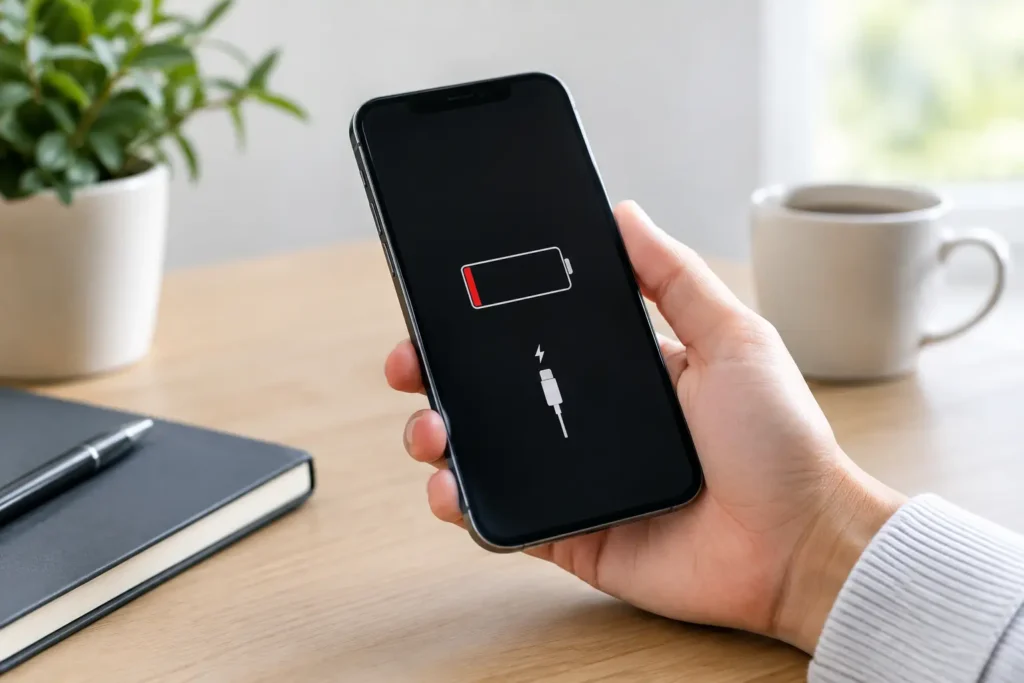
If your phone battery drains too quickly, shuts down at random or struggles to hold charge through the day, a battery replacement is often a simple fix. These repairs are usually fairly quick when the battery is in stock and there are no complications.
The main delay tends to come when a swollen battery has affected other parts inside the phone, or when adhesive removal needs extra care to avoid further damage. Still, compared with water damage or board work, battery jobs are commonly among the faster services.
Water damage can take longer than people hope
A phone dropped in water can look fine at first and fail later. That is why liquid damage is one of the hardest repairs to time from the moment you walk in. The liquid may have reached only a small area, or it may have travelled across multiple components.
Proper liquid damage treatment involves inspection, cleaning, corrosion removal where possible, component testing and then re-evaluation. Sometimes the device recovers quickly. Sometimes the initial clean reveals a deeper fault that needs additional work. If your main priority is saving data, that can also change the repair path and the timescale.
Why sending it away usually takes longer
Many customers assume all repairs take days because they are thinking of manufacturer mail-in services or retailer returns. Sending a phone away often means booking it in, shipping it, waiting in a queue, carrying out the work, then shipping it back. Even a simple repair can turn into a week or more.
A local specialist can often cut that time down significantly because the diagnosis, repair and collection all happen in one place. That is especially helpful if you rely on your phone for work or simply do not want your personal device out of your hands any longer than necessary.
For customers across Barrow-in-Furness and the wider area, that local turnaround can make a real difference. TechLab Repairs focuses on exactly that balance – fast service, clear advice and secure handling without the hassle of sending devices away.
How to avoid delays before you book a repair
If you want the quickest possible turnaround, a little preparation helps. Knowing your exact phone model is useful, especially with iPhones and Samsung devices that have multiple similar versions. It also helps to describe the fault clearly. “Screen cracked but still working” is much more useful than simply saying “it is broken”.
If the phone still powers on, back up your data if you can. Remove passcodes only if the repair shop advises it and only when you are comfortable doing so. In many cases, a technician may need access for testing, but a reputable shop will explain why and handle the device with care.
Bring the phone in sooner rather than later as well. A cracked screen can worsen with daily use. A charging issue can turn from intermittent to complete failure. A liquid-damaged phone has a better chance if it is assessed promptly rather than left to corrode further.
What a good repair estimate should sound like
A reliable repair estimate should be specific without pretending to know everything before inspection. For example, being told that a common screen replacement is likely same day if the part is in stock is helpful. Being promised a fixed turnaround for a water-damaged phone before anyone has opened it is not.
Good repair shops explain the likely timeline, the reasons it could change and what happens next if further faults are found. That level of transparency saves frustration on both sides.
So, how long should you expect?
For common repairs such as screens and batteries, same-day service is often achievable. For charging faults, camera issues and more involved hardware repairs, it may range from a few hours to a couple of days depending on diagnosis and parts. For liquid damage and logic board work, it can take longer because the problem needs proper investigation before anyone can give a fair answer.
The key thing is not just speed. It is getting your phone repaired properly, with your data treated carefully and no guesswork about what has been done. If your phone is slowing you down, the best next step is a clear diagnosis from a local repair specialist who can tell you what is realistic and get you back up and running as quickly as possible.