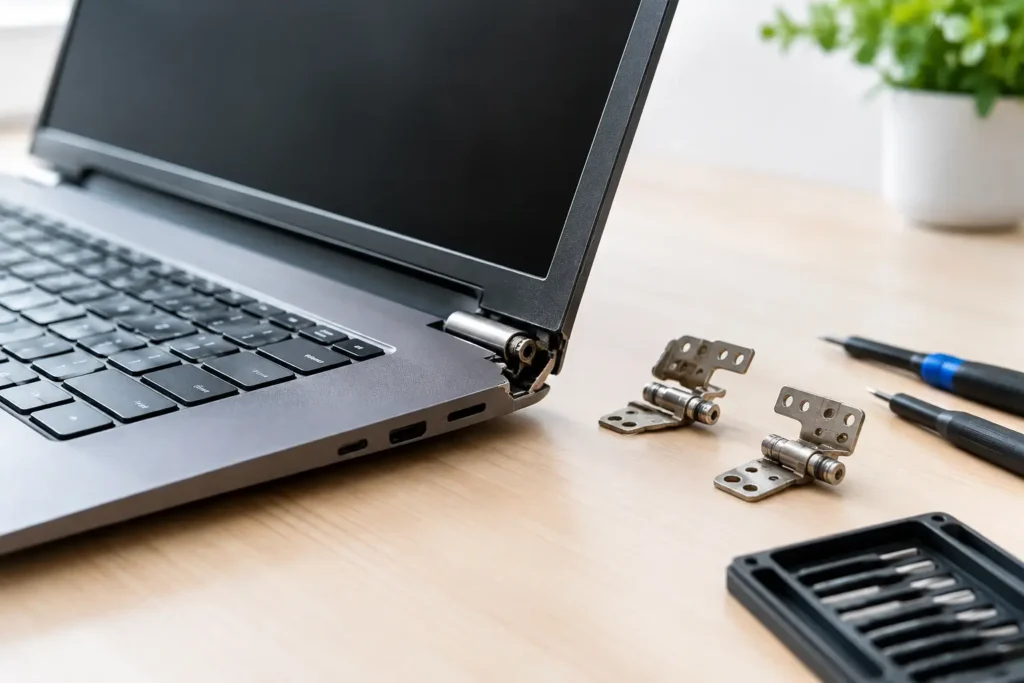
A Guide to Laptop Hinge Damage and Repair
Our guide to laptop hinge damage explains the warning signs, safe next steps and when a professional repair can protect your screen and data safely.

If you have just dropped your phone in the sink or spilled a coffee across your laptop, your first instinct is probably panic. You might have tried the "rice trick" (which we strongly advise against) or taken it to a high-street shop only to be told it's "beyond economical repair."
When a device won't turn on after liquid contact, most repair shops will simply offer to replace the entire motherboard or tell you to buy a new device. But at Tech Lab Repairs, we take a different approach.
The Final Verdict: Most "dead" water-damaged devices are actually repairable. The problem isn't that the phone is "fried"; it's usually just a handful of tiny, corroded components on the motherboard that need a professional micro-soldering repair. Before you bin your device or spend £1,000 on a replacement, a board-level inspection is almost always the more cost-effective choice.
It’s a common misconception that water "short-circuits" everything instantly. In reality, the damage often happens over hours or days through a process called electrolysis. When electricity from your battery meets liquid on the logic board, it creates a chemical reaction that eats away at the delicate copper tracks and components.
This is why your phone might work for ten minutes after a spill and then suddenly go black. The liquid has finally reached a critical power line or a chip responsible for the display, causing a failure.

We often see devices that have been sitting in a drawer for weeks. The owner thought it was dry, but the corrosion continued to grow under the metal shields. This is why searching for a professional electronics repair service immediately is so important. The sooner we get the board into an ultrasonic cleaner and under our microscopes, the higher the success rate.
Most repair shops are "parts swappers." They can change a screen or a battery, but if the problem is on the motherboard itself, they hit a wall.
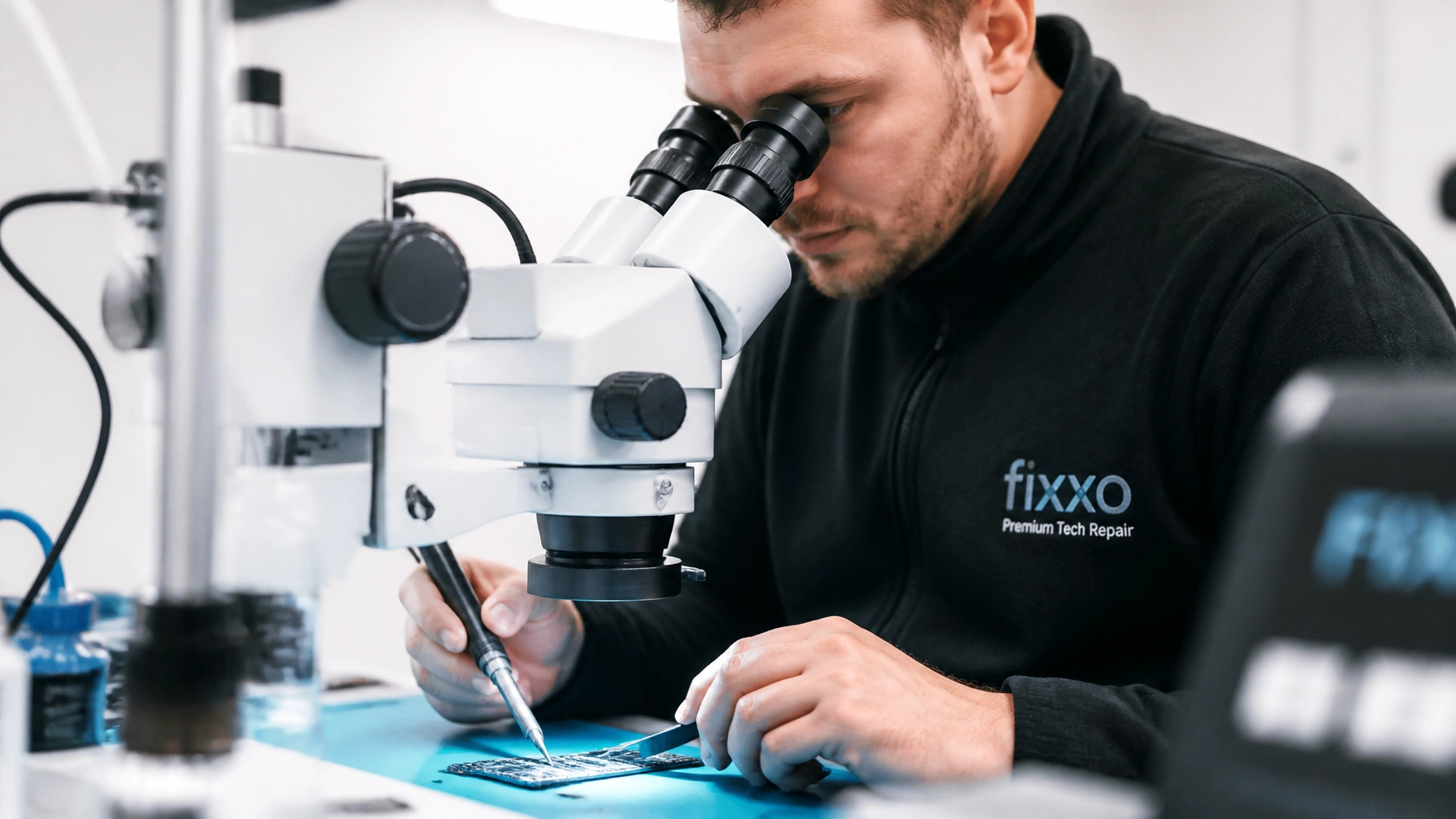
Micro-soldering is the skill of repairing the actual "brain" of your device. We use high-powered digital microscopes and precision soldering stations to replace components that are smaller than a grain of sand.
When you search for micro soldering repair near me, you are looking for a technician who can:
This level of repair is what allows us to fix devices that other shops have written off. Whether it's an iPhone that won't charge or a MacBook with no backlight, micro-soldering is often the only way to restore function without losing your data.
Laptops are particularly vulnerable to liquid spills because of their large ventilation grilles. A single splash of tea can travel deep into the machine, hitting the motherboard where high-voltage rails (up to 20V) live.
When you take a liquid-damaged laptop to the manufacturer, they will almost always quote you for a "Tier 4" repair: which is just code for a full motherboard replacement. In the UK, this can easily cost between £600 and £900.

Our laptop motherboard repair service focuses on fixing the board you already have. By identifying the specific area of damage: perhaps a corroded backlight circuit or a blown fuse: we can often perform a repair for a fraction of the cost of a new board.
Beyond the cost, there is the issue of data. If your motherboard is replaced by the manufacturer, your data is gone. By repairing your original board, we can often keep your files, photos, and projects exactly where they were. You can learn more about our specific Macbook repair services here.
We believe in being honest with our customers. Not every device should be repaired. We act as a trusted advisor, and we will tell you if we think you're throwing good money after bad.
Repair is worth it if:
Repair might NOT be worth it if:
Sending your device away to a massive central warehouse can take weeks, and you rarely get to speak to the person actually working on your machine. When you choose a local professional electronics repair service like Tech Lab Repairs, you get a direct line to the technician.
We understand that for many of our customers in the Cumbria area, these devices aren't just toys: they are essential for work, study, and staying connected with family. We prioritise clear communication and rapid turnaround times. We even offer specialist services like imac repairs and tablet charging port fixes that require this same precision.

If your device is wet and won't turn on, follow these steps immediately to improve your chances of a successful repair:
You can check our guide on what to do for liquid damage for more detailed advice.
We’ve seen everything from phones dropped in puddles to laptops soaked in wine. In most cases, there is hope. Our micro-soldering expertise is designed to tackle the "impossible" jobs, giving your technology a second lease on life and saving you hundreds of pounds in the process.
If you’re struggling with a device that won't power on, bring it by for an assessment. We’ll give you a straight answer, a fair price, and the best chance of getting your tech back in working order.
Our guide to laptop hinge damage explains the warning signs, safe next steps and when a professional repair can protect your screen and data safely.

Choose a data secure repair service in Barrow-in-Furness that protects your photos, accounts and work files while fixing the device you rely on every day

Our business device support guide helps Cumbria teams reduce downtime, protect data and choose fast, dependable repairs for essential daily work devices.
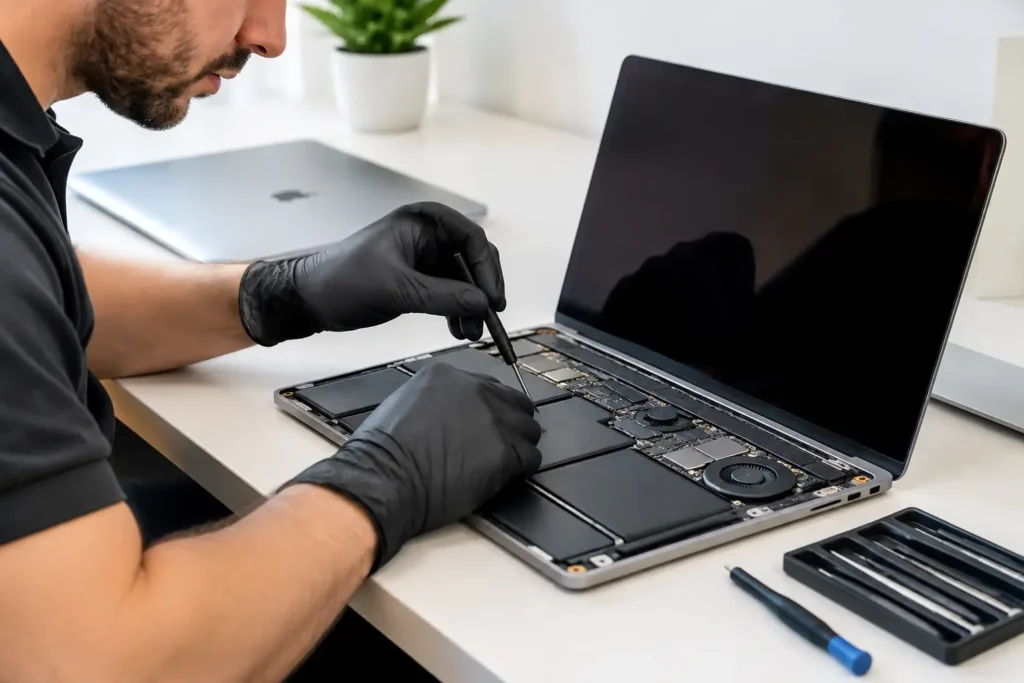
Need a MacBook repair service in Barrow-in-Furness or Cumbria? Get clear fault diagnosis, secure data handling and practical repairs to keep work moving.
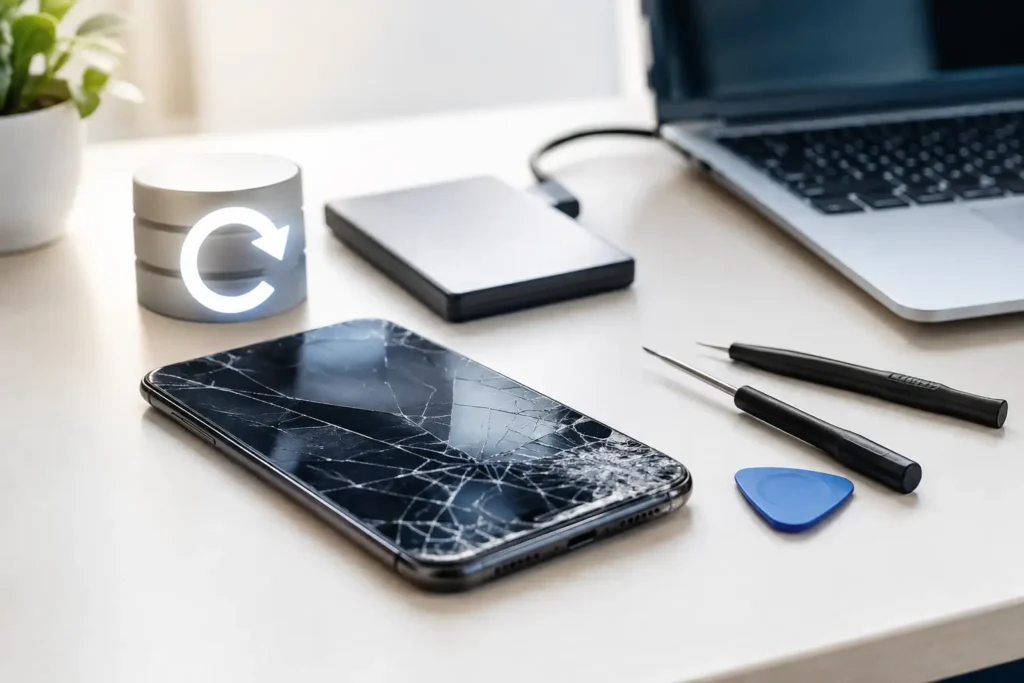
Can data be recovered safely after a phone, laptop or tablet fails? What to do first, what to avoid, and when professional recovery can help save files.
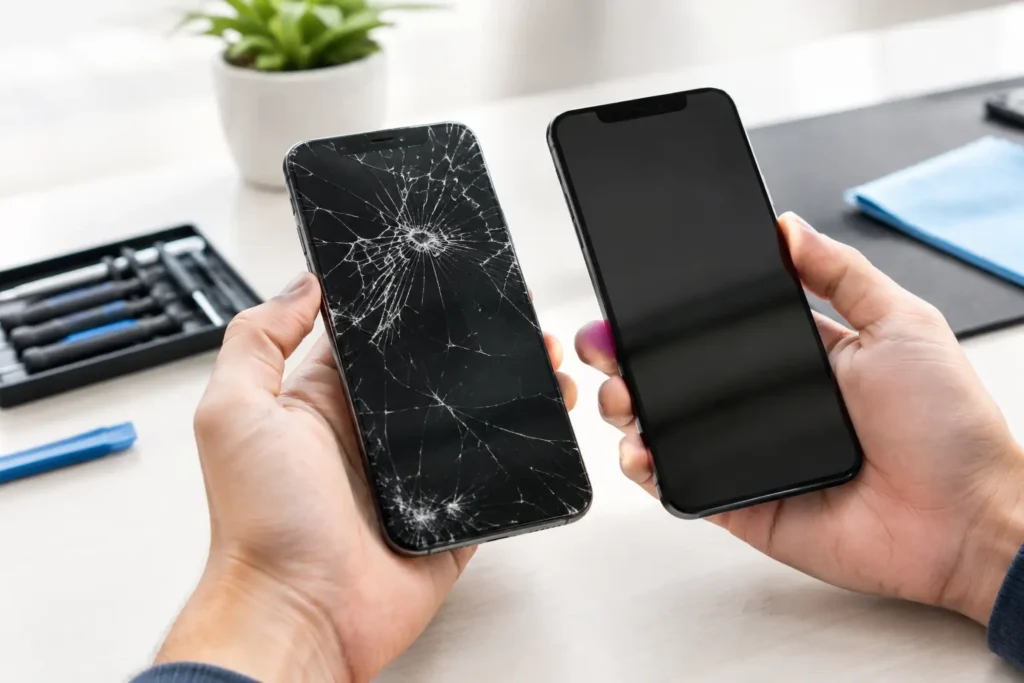
Need an iphone screen replacement in Barrow-in-Furness or Cumbria? Learn what affects cost, quality and turnaround, and protect your phone after repair.
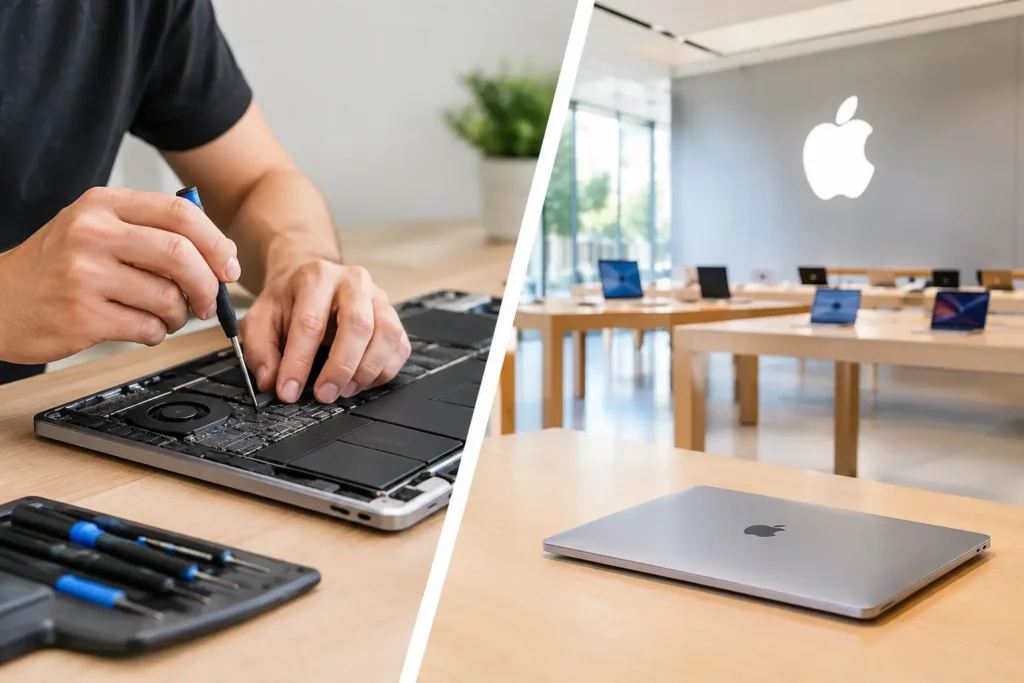
Choosing macbook repair versus apple store? Compare cost, turnaround, data care and repair options for Mac users across Cumbria and the Lake District.
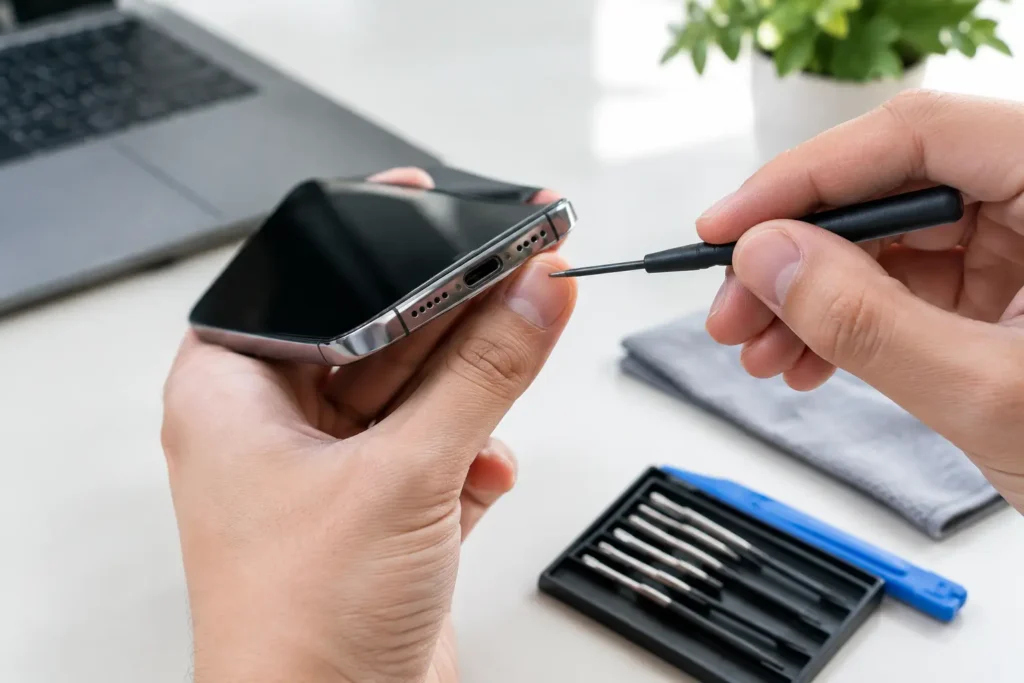
Learn how to fix charging port issues safely, spot the cause, protect your data and decide when professional repair is the smarter choice for your device.
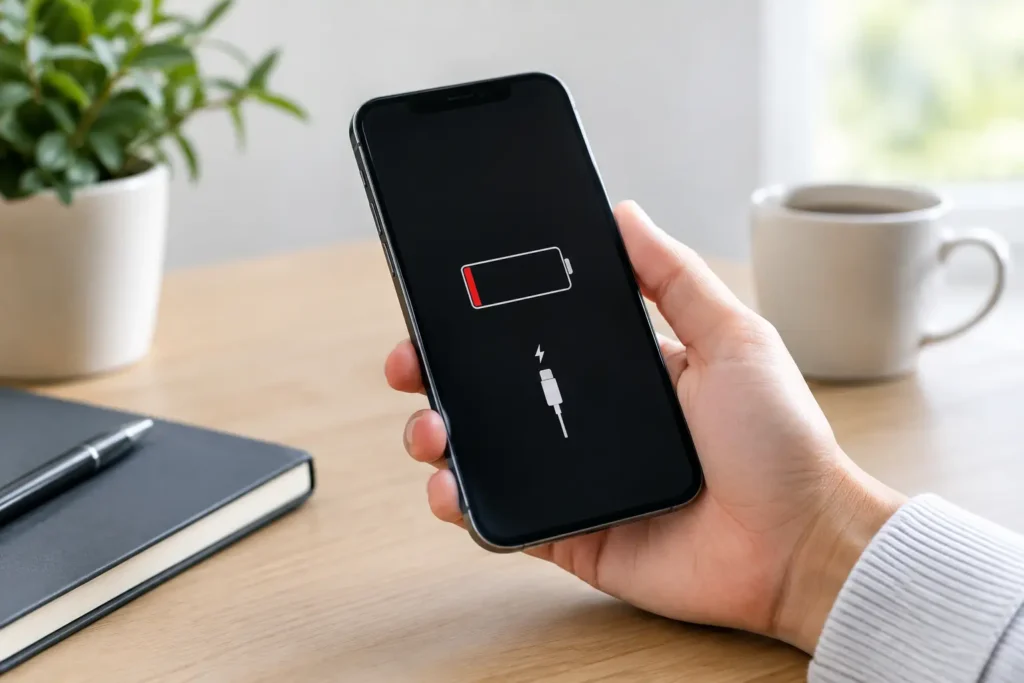
What causes iPhone battery drain? Learn how settings, apps, signal and battery age affect power, plus when a repair can help restore daily reliability.
Corporate device repairs that reduce downtime, protect business data and keep your staff’s phones, laptops and tablets ready for work across Cumbria now.